
When a sewer line backs up into your home, it is more than just an unpleasant mess; it is a biohazard. This emergency demands immediate, professional attention to prevent serious health risks, structural damage, and escalating costs. Acting quickly minimizes damage and protects your family’s health.
Quick Answer
A sewer backup cleanup in Utah typically costs between $3,000 and $10,000, but complex situations or extensive damage can push costs higher. Factors such as contamination level, affected area size, and required structural repairs primarily influence the final price. Homeowners insurance often covers sudden and accidental backups, but policy details vary.
Table of Contents
The True Cost of Sewer Backup: More Than Just the Mess
The immediate visible damage from a sewer backup is only the beginning; the real cost lies in unseen contamination, potential mold growth, and long-term structural issues. Raw sewage contains harmful bacteria, viruses, and pathogens that pose serious health risks to anyone exposed. Ignoring these dangers or attempting a DIY cleanup without proper equipment can lead to severe health problems and even greater financial burdens. Our priority is to restore your home and provide peace of mind, not just clean a mess. Holly Fairbanks, a valued customer, noted our fast action cleaning out “awful long flowing water damage and some mold,” underscoring the complete nature of professional cleanup.
Initial Response: Why 24/7 Emergency Service is Critical
Every minute counts when raw sewage enters your home, impacting cleanup complexity and cost. Our 24/7 emergency service ensures the immediate dispatch of certified technicians, minimizing the spread of contaminants and preventing further damage that would drive up expenses. Denise Rogers, a customer from Salt Lake City, experienced this firsthand: “I called and had someone at my door within 20 minutes” when her basement flooded. This rapid response is critical for mitigating the extensive damage sewer water causes. We understand Utah’s diverse weather impacts, from sudden snowmelt flooding to pipe bursts, necessitating constant readiness.
Pro Tip: Do not attempt to clean up sewer water yourself. Raw sewage is a biohazard (Category 3 water under IICRC S500 Standard) and requires specialized equipment and training to handle safely. Contacting professionals immediately protects your health and home.
What Drives Sewer Backup Cleanup Costs?
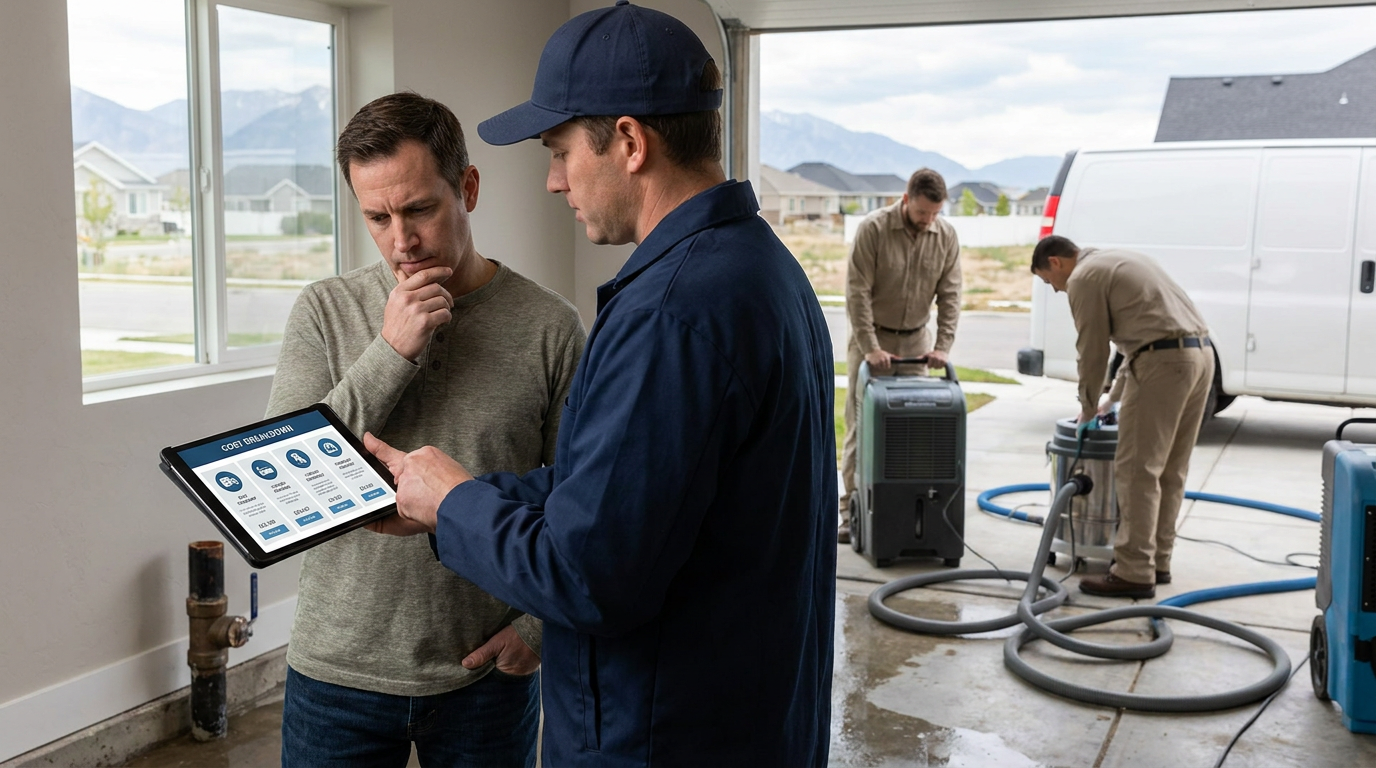
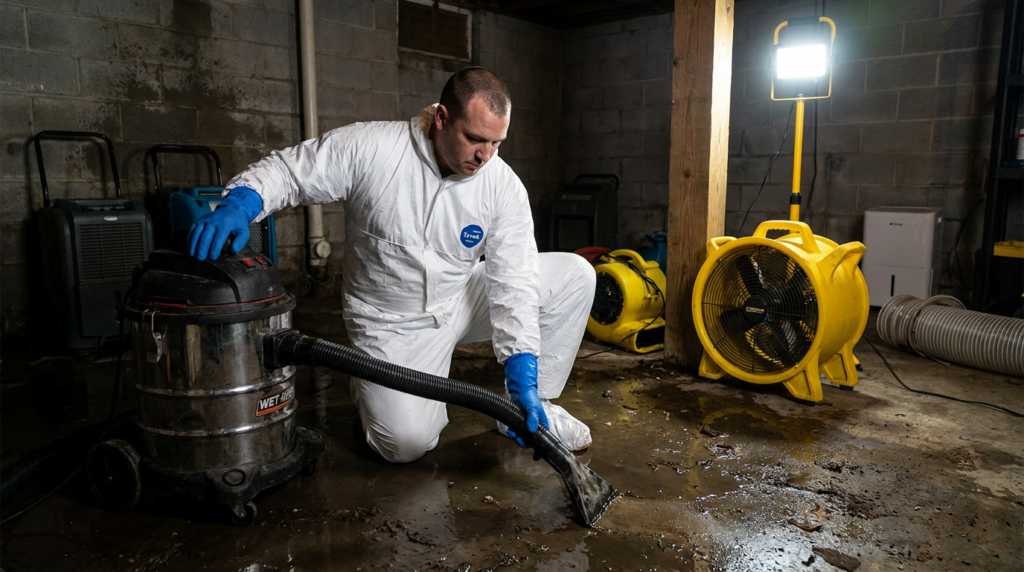
Sewer backup cleanup costs vary widely, with typical ranges from $3,000 to $10,000, though extensive damage can exceed these amounts. Several factors dictate the final price. The degree of contamination is essential; Category 3 water, or black water, requires extensive sanitization and material removal. The square footage of the affected area directly influences labor, equipment, and material costs. The longer the sewage sits, the more it saturates materials and surfaces, increasing the scope of work.
Contamination Level and Affected Area Size
The type of water determines cleanup protocols. Clean water (Category 1) comes from a sanitary source, such as a burst pipe, while gray water (Category 2) contains chemical or biological contaminants. Sewer water is always black water (Category 3), meaning it is highly contaminated. Cleanup of blackwater involves advanced containment, disinfection, and removal of porous materials such as drywall, carpet, and insulation. The larger the affected area, the more materials must be removed and replaced, increasing the total cost. We often find that affected areas in Salt Lake City, Utah, involve sewage cleanup in basements, which are particularly susceptible to widespread damage.
Necessary Structural Repairs and Mold Remediation
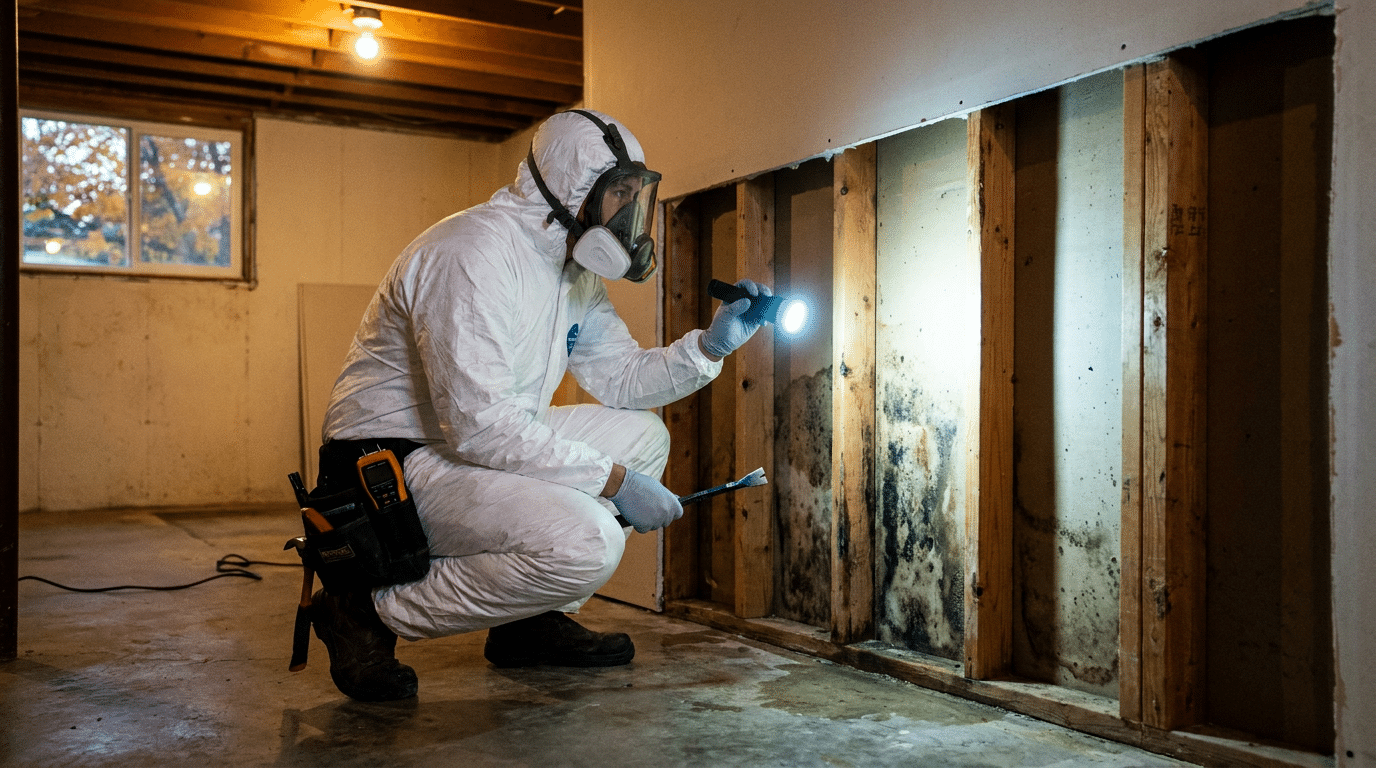
Beyond initial cleanup, sewer backups often necessitate structural repairs-replacing damaged subflooring, walls, and other building components. Mold growth, a common consequence of water damage left untreated for 24-48 hours or more, significantly increases costs. Our Free Mold Assessment identifies these issues early. We identify, contain, and remediate mold in accordance with the IICRC S520 Standard guidelines, a critical step to ensure your home’s safety. Our team uses specialized equipment, including HEPA air scrubbers, as Holly Fairbanks highlighted, to maintain air quality and prevent the spread of mold.
Labor, Equipment, and Disposal Costs
Professional sewer cleanup requires specialized training, certified technicians, and advanced equipment like commercial-grade extractors, dehumidifiers, and air movers. Biohazard disposal of contaminated materials also increases expenses. Our team members, like Memo and Chris, are not only professional but also efficient, ensuring work is completed thoroughly and effectively, as Jenifer Mann noted in her review. These factors contribute to the overall investment in complete restoration.
Does Insurance Cover Sewer Backup Cleanup in Utah?
Homeowners insurance typically covers sewer backup cleanup if you have a specific “sewer backup and sump pump overflow” endorsement added to your policy. Standard policies usually exclude damage from sewer or drain backups. You should check your policy details or speak with your agent to understand your coverage. Our team provides expert insurance claims assistance, streamlining the paperwork and direct billing process to reduce stress. J Wells highlighted our service when he “discovered water in my basement after heavy rainfall and called The Flood Co.” We quickly assessed and provided an estimate, alleviating his initial anxiety.
Understanding Policy Endorsements and Exclusions
Many standard homeowners’ insurance policies exclude water damage caused by external events, such as floods, or by internal issues, such as backed-up sewer lines. To protect yourself, you typically need an endorsement. Without this specific coverage, you will bear the full cost of cleanup and repairs out-of-pocket. We offer Free Consultations and Inspections to help you understand the scope of damage and navigate potential insurance claims.
Direct Insurance Billing and Expert Claims Assistance
Navigating insurance claims can be overwhelming, especially during a crisis. We simplify the process by communicating directly with your insurer and handling direct billing. Our expert guidance ensures you receive the maximum benefits from your coverage. Memo, one of our project managers, consistently earns praise for explaining the full restoration process and answering client questions knowledgeably, creating a smoother claims experience. We know the process and advocate on your behalf.
The Cleanup Process: What to Expect
A thorough sewer backup cleanup follows a systematic approach to ensure safety and effective restoration. It begins with immediate water extraction and continues through disinfection, drying, and complete restoration.
Emergency Response and Water Extraction
Upon arrival, our 24/7 team quickly assesses the situation, identifies the source of the backup, and contains the affected area. Using powerful commercial-grade extractors, we remove all standing sewage and contaminated water. Speed in this phase is critically important to prevent further absorption into structural elements and personal belongings. Chris and his team worked “fast and quickly to find the leak and start removing the damaged floor,” as Shelly Richards observed.
Sanitization and Biohazard Remediation
Once the bulk of the water is extracted, we begin thorough sanitization using EPA-approved antimicrobial agents and specialized cleaning solutions. This step eliminates bacteria, viruses, and other pathogens present in the sewage. All affected porous materials, such as drywall, carpet, and padding, are carefully removed and disposed of as biohazardous waste in accordance with strict protocols. We adhere to OSHA regulations, ensuring safe practices throughout the process.
Drying and Dehumidification
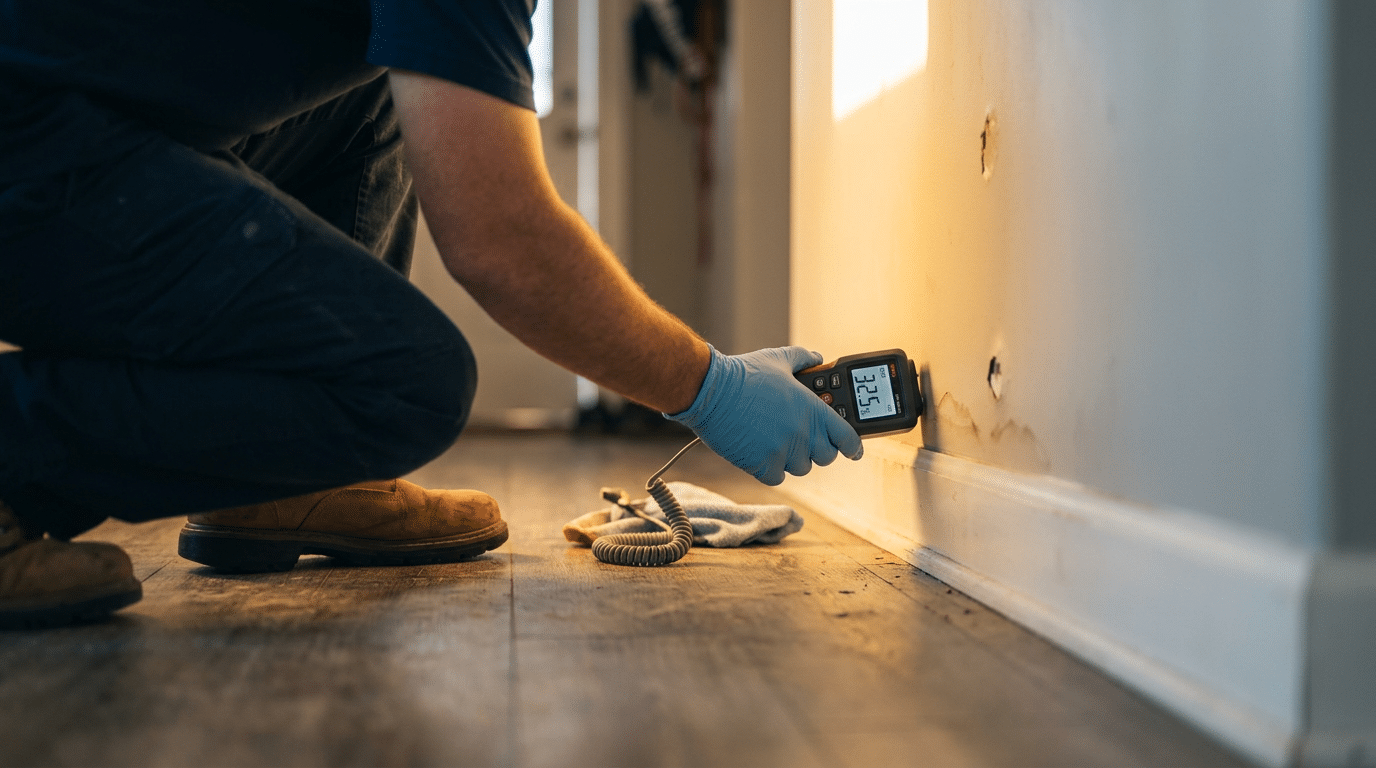
After sanitization, we deploy industrial-strength air movers and dehumidifiers to thoroughly dry the affected area. This critical phase prevents secondary damage like warping, swelling, and mold growth. Moisture readings are continuously monitored to ensure optimal drying conditions. J Wells noted that our crew “set up drying and dehumidifying equipment” after removing damaged materials, illustrating our complete approach.
Restoration and Repair
The final phase involves restoring your property to its pre-damage condition. This includes replacing removed drywall, flooring, and other structural components. Our team works carefully to ensure smooth repairs, making it difficult to tell there was ever a disaster. We offer a Restore-to-Pre-Damage-Condition Guarantee, ensuring your complete satisfaction with the outcome. This complete approach is why customers trust us for Sandy, Utah sewage cleanup.
Why Professional Cleanup is Non-Negotiable
Attempting to clean up a sewer backup yourself is unsafe, ineffective, and often leads to higher long-term costs. Professional restoration provides expertise, specialized equipment, and ensures proper adherence to health and safety standards.
Health Risks of DIY Cleanup
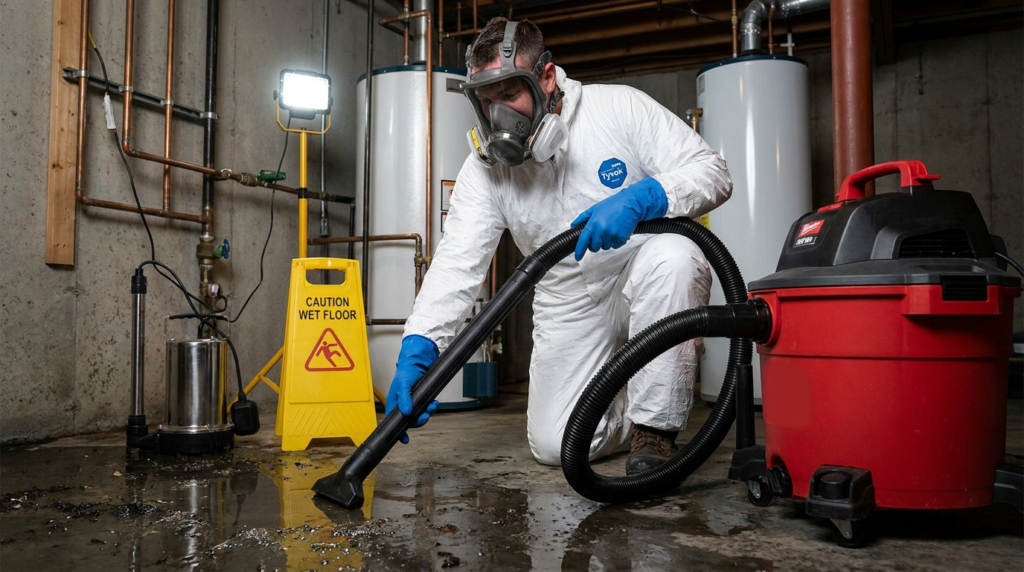
Raw sewage contains dangerous pathogens that can cause serious illness, including Hepatitis A, E. coli, Salmonella, and other gastrointestinal diseases. Exposure through skin contact, inhalation of aerosols, or ingestion presents severe health risks. Protective gear and proper disinfection are not optional; they are essential. Our IICRC Certified Technicians are trained in biohazard remediation, providing a safe and effective cleanup.
Preventing Secondary Damage and Mold Growth
Without industrial-grade equipment, it is nearly impossible to thoroughly dry a water-damaged area, especially after a sewer backup. Lingering moisture creates an ideal environment for mold growth, which can appear within 24-48 hours. Mold not only causes further structural damage but also poses significant health risks. Professional teams use specialized moisture meters and thermal imaging to detect hidden moisture, preventing future mold issues. We also offer Free Consultations and Inspections to help identify unseen problems early.
Pro Tip: Beyond sewer backups, even clean water leaks can lead to mold if not dried properly. Consider our expert prevention tips to keep your Utah home free of mold year-round.
Preventative Measures for Utah Homeowners
Proactive steps can significantly reduce the risk of sewer backups, saving you stress and money in the long run. Awareness of what causes backups and the installation of protective devices are key.
Proper Disposal and Maintenance
Avoid flushing anything other than human waste and toilet paper. Grease, food scraps, feminine hygiene products, and “flushable” wipes can all clog sewer lines. Schedule regular drain cleaning for older homes or properties with known plumbing issues. Tree roots are a common cause of backups in Utah, and a plumber can inspect and clear them.
Backwater Valve Installation
Consider installing a backwater valve on your main sewer line. This device allows sewage to flow out but prevents it from flowing back into your home during city sewer line surcharges or heavy rainfall. This single investment can prevent devastating damage.
Sump Pump Installation and Maintenance
If your home has a basement or crawl space, a sump pump with a battery backup is critical, especially in areas prone to heavy rain or snowmelt, like many parts of Utah. Ensure it is well-maintained and tested regularly. Snowmelt flooding frequently impacts Utah homes, making a reliable sump pump essential.
Frequently Asked Questions
The cost of sewer backup cleanup generally ranges from $3,000 to $10,000 in Utah, depending on the extent of contamination, the size of the affected area, and necessary repairs. Projects involving extensive structural damage or mold remediation can exceed this range.
Standard homeowners’ insurance policies typically do not cover sewage backup unless you have a specific “sewer backup and sump pump overflow” endorsement. Review your policy or contact your agent to confirm your coverage. We provide expert assistance with insurance claims to smooth the process.
Sewage removal, part of the broader cleanup process, requires specialized equipment and biohazard protocols. This component alone can cost several hundred to a few thousand dollars, depending on the volume of sewage and the complexity of extraction.
Do not attempt to clean up a basement after a sewer backup yourself. Raw sewage is a biohazard. Contact professional restoration services immediately. They have the training, protective gear, and specialized equipment to safely extract sewage, sanitize the area, and prevent mold growth.
Yes, black water (Category 3 water), which includes sewage, is highly dangerous. It contains harmful bacteria, viruses, and other pathogens that can cause severe illness. Direct contact or inhalation of airborne particles should be avoided. Professional remediation is required.
After the initial emergency response, the cleanup, sanitization, and drying phases typically take 3-5 days, though this can extend depending on the severity of the damage and the need for structural repairs. Restoration efforts follow this initial phase, bringing your home back to its pre-damage condition.
The Bottom Line
Sewer backups are emergencies demanding immediate, professional attention to protect your health and property. Cleanup costs depend on contamination levels and the size of the affected area, but neglecting the issue leads to far greater expenses and risks. While insurance often requires a specific endorsement, professional assistance can simplify claims and ensure thorough, safe restoration. Proactive prevention, like proper disposal and backwater valve installation, is your best defense.
Ready for Immediate Sewer Backup Cleanup?
If you are facing a sewer backup, don’t wait. The Flood Company provides 24/7 Emergency Service with over 20 years of experience restoring homes in Utah. We handle everything from water extraction and biohazard remediation to complete structural restoration, including expert assistance with insurance claims. We guarantee to restore your home to its pre-damage condition or make it right. Call us now for a Free Consultation and immediate response. Call (801) 294-7452 for immediate assistance.
Related Reads:

- Mold Removal FAQ: Common Questions Answered - October 13, 2026
- How to Choose the Right 24/7 Emergency Restoration Service: Complete Guide - October 9, 2026
- How to Choose the Right Commercial Water Damage Restoration Company: Complete Guide - October 6, 2026