
You wake up to squishing noises or return home to a submerged basement. This immediate shock and panic are completely normal. A flooded basement isn’t just a watery mess; it’s a ticking clock for mold growth, structural damage, and health hazards. Knowing your next steps can save you thousands and protect your home.
We see this scenario all the time across Utah, from sudden pipe bursts to snowmelt overwhelming foundations. The question isn’t just how to get the water out, but how to ensure your home is truly safe afterward. Here’s a clear guide to navigating this crisis.
Quick Answer
Assess Safety First: Disconnect power immediately.
DIY for Small Floods: Handle minor leaks with minimal standing water yourself.
Professionals for Major Floods: Call experts for significant water, sewage, or long-standing issues to prevent mold and structural damage.
Act Fast: Mold can start growing within 24-48 hours.
Table of Contents
- What to Do Immediately After Your Basement Floods: First Steps to Take
- Considering DIY Flooded Basement Cleanup: Is It Right For You?
- Hiring Professional Flooded Basement Cleanup Services: When to Call the Experts
- DIY vs. Professional Flooded Basement Cleanup: Making Your Best Bet
- Beyond Cleanup: Preventing Future Basement Flooding
- Flooded Basement Cleanup FAQs (Frequently Asked Questions)
What to Do Immediately After Your Basement Floods: First Steps to Take
The moment you discover a flooded basement, your immediate actions dictate the extent of damage and risk. Panic is natural, but acting quickly and deliberately changes everything. We’ve responded to countless emergencies in which homeowners lost critical time before taking these first few steps.
Prioritizing Safety and Assessing the Damage
Your safety is the absolute priority above all else. Before entering a flooded basement, shut off your home’s main power supply if it’s safe to do so. Water and electricity are a deadly combination, and submerged outlets or wiring pose a severe electrocution risk.
Next, identify the water source. Is it a burst pipe, an overflowing appliance, a foundation leak from heavy rainfall, or even sewage backup? Knowing the source helps you contain the problem and communicate effectively with professionals. For instance, customer Denise Rogers shared her relief when her basement bedroom flooded, saying, “I was lost on who to call when my basement bedroom flooded. My neighbors also had floods, and I saw Flood Co vans parked outside their homes. I called and had someone at my door within 20 minutes.” This quick response highlights the need for immediate action and professional assessment.
Containing the Water and Beginning Initial Removal
Once safe, try to stop the water flow. For a burst pipe, locate and turn off the main water shut-off valve to your home. For outdoor sources such as heavy rain, consider using temporary barriers, such as sandbags, if possible.
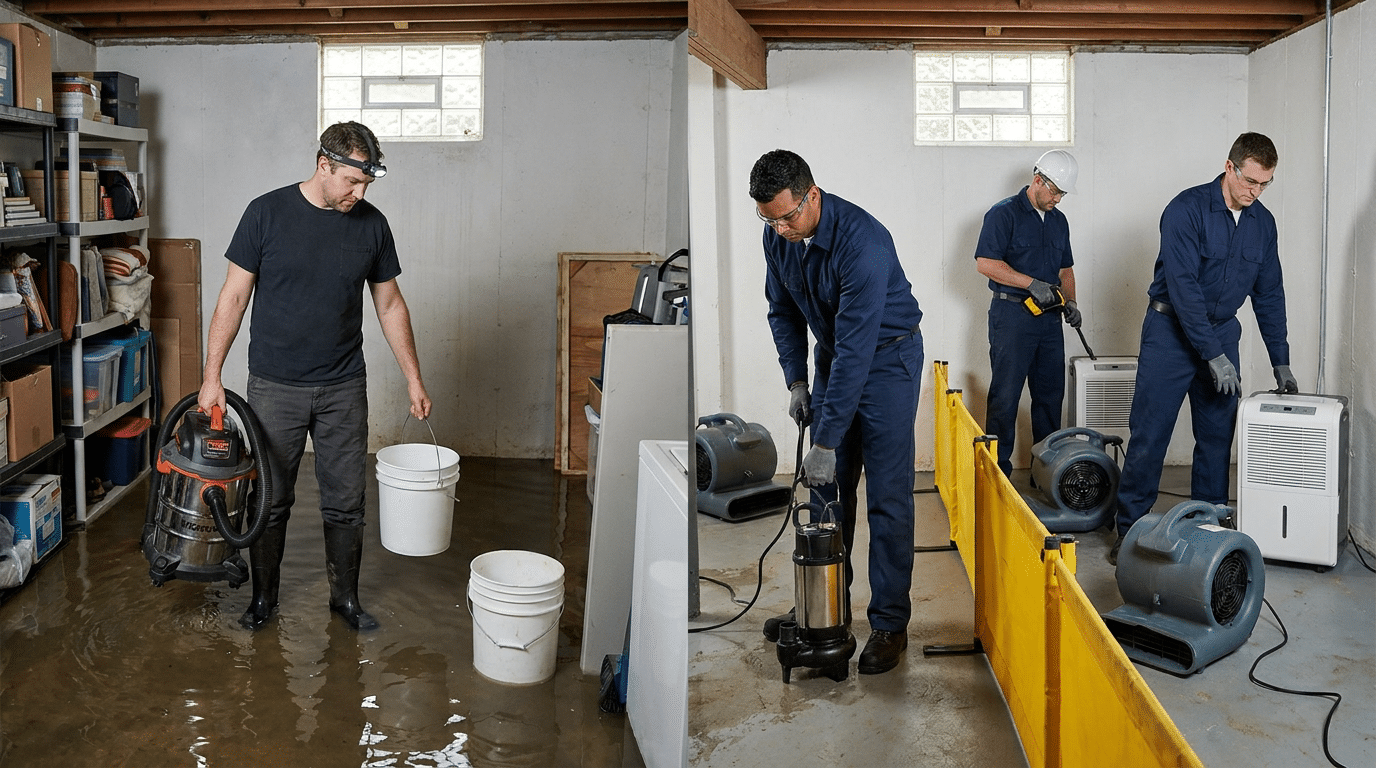
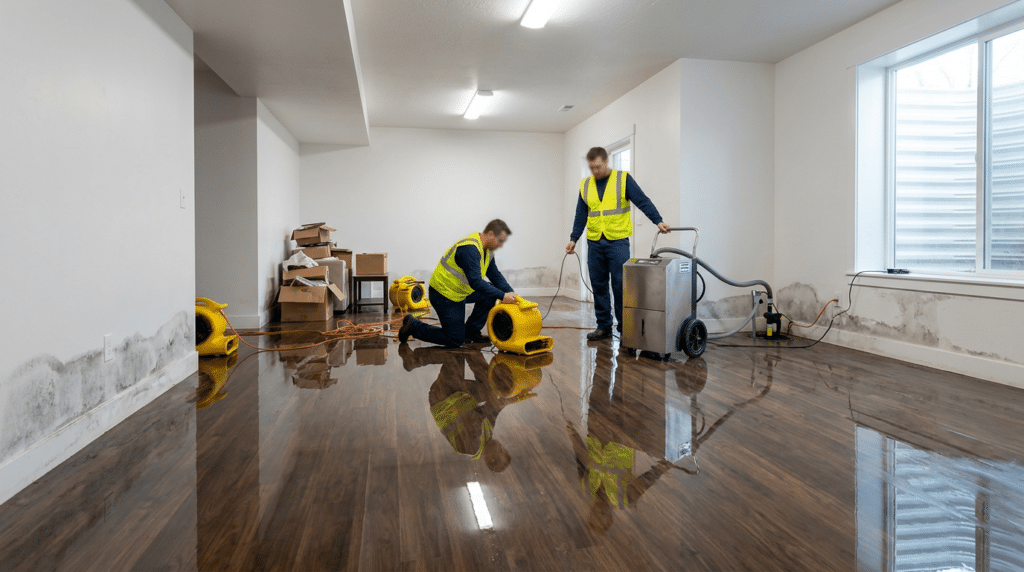
Begin initial water removal of standing water; every minute counts. For small amounts, buckets and mops might suffice. For more significant flooding, a wet/dry vacuum can be helpful. However, be aware that these tools have limitations and often cannot remove all the moisture deeply embedded in materials. Our commercial-grade extraction units remove up to 100 times as much water as consumer models, preventing moisture from lingering.
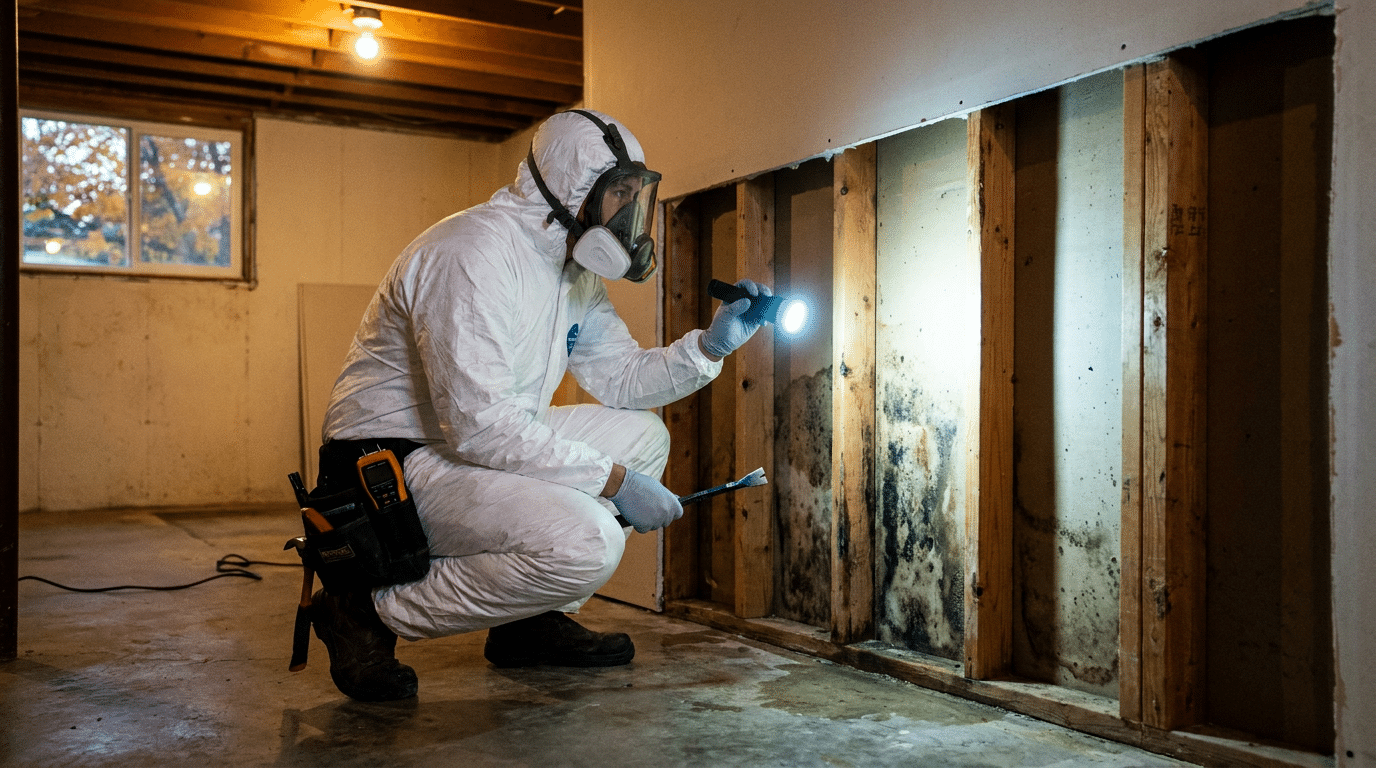
Pro Tip: Even after visible water is gone, hidden moisture can remain in drywall, flooring, and insulation. This hidden moisture creates the perfect breeding ground for mold, which can manifest in as little as 24-48 hours.
Considering DIY Flooded Basement Cleanup: Is It Right For You?
After the initial shock of a flooded basement subsides, homeowners naturally wonder if they can handle the cleanup themselves. DIY seems appealing for cost savings, but it’s critical to weigh the real pros against significant hidden risks. We understand the desire to manage the situation on your own, especially during a stressful time.
The Pros of Taking On DIY Water Removal
For very small-scale water issues, DIY cleanup can be a viable option. If a washing machine overflows for a few minutes and only a small puddle forms on a sealed concrete floor, you can likely handle it with household tools. This approach eliminates labor costs and gives you immediate control over the situation.
DIY gives you flexibility with your schedule, allowing you to work at your own pace. For minor incidents, this direct control and lack of external scheduling pressure can feel beneficial. You can use your own shop vac and fans, saving money on equipment rentals or service calls.
The Cons and Hidden Risks of DIY Cleanup
Attempting DIY cleanup for anything more than a minor spill carries substantial risks. One major danger is incomplete drying, which almost guarantees mold growth. Mold hidden behind walls or under floors can cause significant health problems and structural damage, costing far more to remediate later. Holly Fairbanks experienced this firsthand, stating, “We had awful long flowing water damage and some mold. They cut everything out and left air scrubbers to keep us safe.” This highlights the need for comprehensive mitigation beyond simply removing visible water.
Without proper safety gear and training, you risk exposure to contaminants, especially if floodwater includes sewage. The IICRC S500 Standard for Water Damage Restoration provides specific guidelines for handling different categories of water that most DIYers are not equipped to follow. Sewage cleanup, for example, is a biohazard and requires specialized equipment and protocols. You may also be dealing with damaged electrical systems. An inadequate cleanup can cause permanent damage to your home’s structure and contents, often voiding your insurance claim if proper remediation steps weren’t followed.
Essential Equipment for DIY Flood Remediation
If you decide to proceed with DIY for a minor flood, you’ll need specific tools. This includes a wet/dry vacuum, heavy-duty buckets, mops, industrial fans, and a dehumidifier. Personal protective equipment (PPE) like rubber boots, gloves, and N95 masks is essential, especially if there’s any concern about contaminants or mold spores.
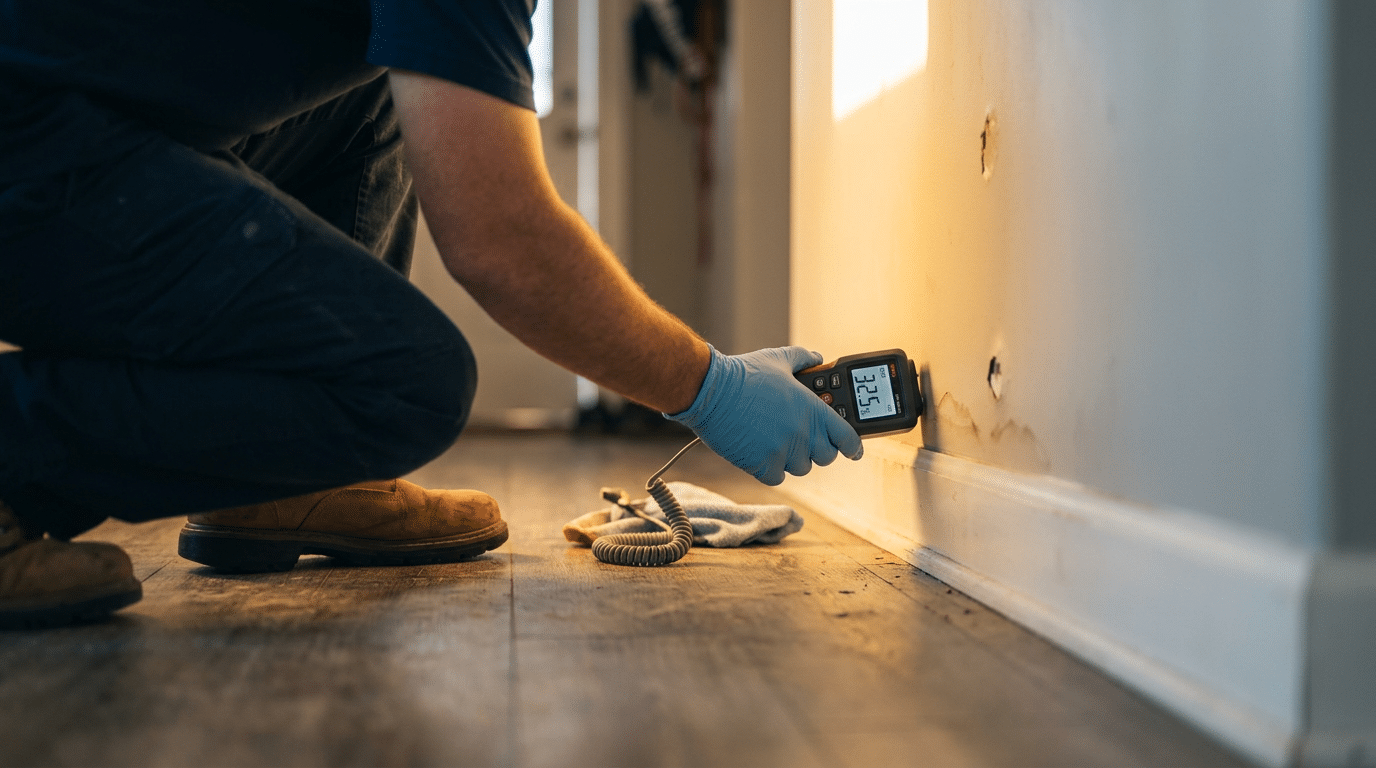
You’ll also need moisture meters to confirm that materials are completely dry. Without these, you’re guessing, and guessing is precisely how most hidden mold problems begin. Remember, even with the right equipment, the effectiveness of DIY is limited to surface-level issues and non-porous materials. We offer free consultations and inspections to help you determine whether your situation is safe for DIY or requires professional intervention, ensuring you don’t face unexpected large expenses later.
Hiring Professional Flooded Basement Cleanup Services: When to Call the Experts
When your basement flood is more than just a small puddle, bringing in professionals is often the smartest and safest decision. While the upfront cost might seem higher, the long-term savings from preventing mold, structural issues, and health hazards are invaluable.
Why Professional Expertise Makes a Difference
Professionals bring specialized knowledge and equipment that far exceed what’s available to the average homeowner. Our certified technicians understand water categories, building materials, and the science of drying. This expertise enables complete water extraction, thorough drying, and full restoration, addressing both visible and hidden damage. When J Wells discovered water after heavy rainfall, “Memo and his crew immediately went to work. They removed remaining water, cleaned up the mess, carefully removed damaged woodwork and drywall, and set up drying and dehumidifying equipment.” This detailed process goes beyond what most homeowners can achieve.
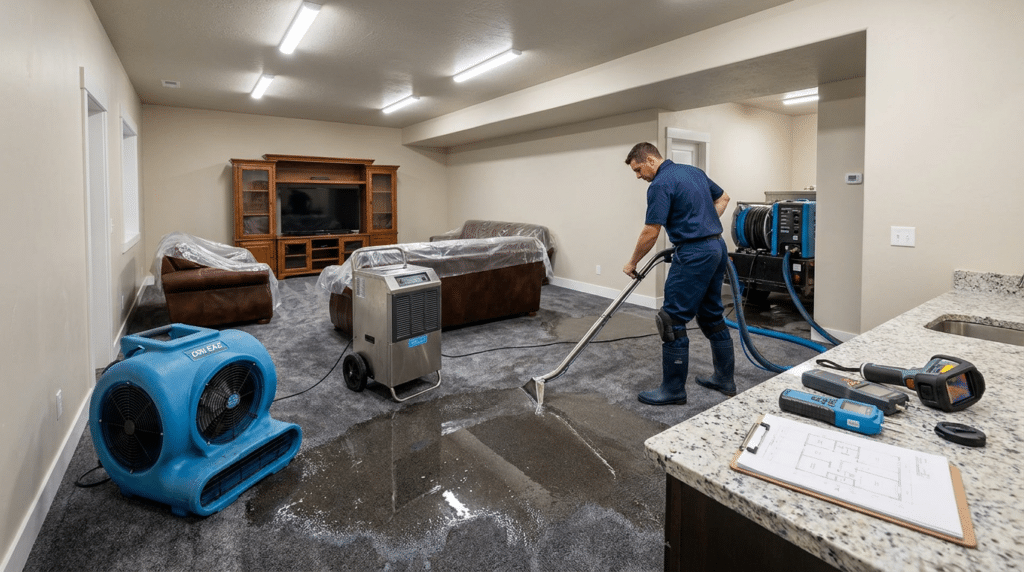
We use modern equipment like industrial-strength dehumidifiers, air movers, and thermal imaging cameras to detect hidden moisture. These tools ensure proper drying and prevent secondary damage, such as mold. Our team follows industry standards, such as the IICRC S500 Standard for Water Damage Restoration, to ensure your home is restored safely and effectively. We’ve been serving Utah for over 20 years, handling everything from routine pipe bursts to complex snowmelt flooding.
Understanding the Professional Cleanup Process
Our complete restoration process begins with a rapid 24/7 emergency response. We prioritize immediate assessment to define the scope of damage and create a detailed plan. This assessment includes free mold inspections and water damage evaluations. Next, we extract standing water using powerful pumps and vacuums.
After extraction, we focus on structural drying, employing industrial dehumidifiers and air movers to remove moisture from affected materials. We also apply antimicrobial treatments to prevent mold and bacterial growth. The final stage involves content restoration and reconstruction, bringing your property back to its pre-damage condition. We also offer expert insurance claims assistance, directly billing your insurer to simplify the process for you.
Addressing Common Concerns: Cost and Timeframes
Many homeowners worry about the cost and time involved in professional cleanup. While costs vary based on damage severity (an average flooded basement cleanup can range from $3,000 to $10,000+), investing in professional services prevents pricier problems down the line, especially mold remediation. We offer zero-down options for insurance-approved services to ease the upfront financial burden.
The timeframes largely depend on the extent of the water damage and the type of materials affected. Drying processes typically take 3-5 days, but extensive structural damage or mold can extend this. Our goal is always to minimize disruption and restore your home efficiently. “They were out here so fast, let me know exactly what needed to be done and helped get the water cleaned up immediately,” explains Alison Dunn, highlighting our commitment to rapid and transparent service.
Pro Tip: Most homeowner’s insurance policies cover sudden and accidental water damage (like a burst pipe), but rarely cover flood damage from natural disasters unless you have separate flood insurance. Review your policy or ask us for guidance during your free consultation.
DIY vs. Professional Flooded Basement Cleanup: Making Your Best Bet
Deciding between DIY and professional cleanup comes down to assessing the risks and knowing your limitations. There’s no single right answer for every flood, but a clear understanding of the factors involved will guide your decision. Our aim is to provide peace of mind, regardless of the path you choose, ensuring your home’s safety.
Key Factors to Consider When Your Basement Just Flooded
Several critical elements should influence your decision-making process. First, consider the volume of water: is it a few inches or a few feet? Larger volumes almost always require professional intervention due to the sheer logistical challenge and potential for hidden saturation. Second, evaluate the water type: clean water from a burst pipe is less risky than gray water (such as a washing machine overflow) or black water (sewage or river floodwater), which are biohazards.
Third, assess the affected materials. Water absorbed into drywall, insulation, carpeting, or hardwood floors requires specialized drying techniques. Fourth, consider the time elapsed. The longer water sits, the higher the risk of mold growth, making professional intervention more urgent. As Matt Arthen noted, when faced with an “urgent leak and mold situation,” Memo (one of our experts) provided a thorough assessment, clearly explained the next steps, and patiently answered all our questions. We felt informed and relieved.”
When DIY is a Viable Option
You can reasonably tackle a flooded basement cleanup yourself if the water is clean (not from sewage or river sources) and shallow (less than an inch). This assumes the water has been present for only a short period (under 24 hours) and is confined to non-porous surfaces like sealed concrete. For instance, if a clean-water pipe leaked for an hour, creating a small, easily accessible puddle, and you have a wet/dry vac and strong fans, DIY might be feasible.
In these limited scenarios, focus on immediate water removal, thoroughly drying the area with fans and dehumidifiers, and using a moisture meter to ensure everything is completely dry. Any signs of mold, lingering dampness, or unknown water sources should immediately prompt you to seek professional help.
When Professional Help is Non-Negotiable
Any situation involving more than an inch of water, an unknown source, sewage, or water that has been standing for 24-48 hours or more requires professional cleanup. These scenarios present significant health risks and complex remediation challenges that DIY methods simply cannot address effectively. Exposure to black water can lead to serious illness.
Mold begins to form rapidly, often invisibly, and requires specialized containment and remediation protocols aligned with standards like the IICRC S520 Standard for Mold Remediation. If structural components such as drywall, insulation, subflooring, or electrical systems are affected, or if you suspect asbestos or lead-based paint in an older home, professionals are essential. Our 24/7 emergency service ensures an immediate response, preventing further damage and protecting your health.
“The team at Flood Co. are awesome! They were out here so fast, let me know exactly what needed to be done and helped get the water cleaned up immediately. They were here and finished before the other company I called first even called back.” – Alison Dunn
This review from Alison Dunn perfectly illustrates the urgency and effectiveness required in these situations. We ensure rapid response and thorough work you can trust.
Beyond Cleanup: Preventing Future Basement Flooding
Cleaning up a flooded basement is only half the battle; preventing it from happening again is equally critical. Proactive measures offer long-term protection and peace of mind by addressing common vulnerabilities in Utah homes. This includes understanding the unique challenges of our climate, like significant snowmelt. For example, you can learn more about preventative measures for mold growth on our blog.
Proactive Measures to Protect Your Home
Start by inspecting your home’s exterior. Ensure your gutters are clean and that water is directed at least 6 feet away from your foundation. Grade your landscaping so it slopes away from your house, preventing water pooling. Check for cracks in your foundation and seal them promptly. Interior measures include regularly checking pipes, appliance hoses (like those for washing machines and dishwashers), and water heater tanks for leaks.
Consider installing a sump pump, especially if your home is in a flood-prone area or you have a finished basement. Battery backups for sump pumps are also a wise investment, particularly during power outages that often accompany severe weather. Water leak detectors placed near appliances and in vulnerable areas can provide early warnings, preventing minor leaks from becoming major floods. Free consultations and inspections can help identify specific vulnerabilities in your home.
Handling Insurance Claims After a Basement Flood
Navigating insurance claims can be one of the most stressful parts of a flood event. We specialize in expert insurance claims assistance, simplifying the process for our clients. We work directly with your insurance provider, handling direct billing and providing all necessary documentation for a smooth claim.
The key is thorough documentation: take clear photos and videos of the damage before cleanup begins. Keep detailed records of all communication and services rendered. Understanding your policy is vital; know what types of water damage are covered and what your deductibles are. Our team helps you understand your coverage and ensures your claim accurately reflects the damage and restoration work required. We aim to ease your burden during this challenging time.
Flooded Basement Cleanup FAQs (Frequently Asked Questions)
What is the best way to clean a flooded basement?
The best way involves immediate water extraction, thorough drying with professional-grade equipment, and antimicrobial treatment. This prevents mold and ensures structural integrity, both of which often require professional services beyond what standard household equipment can provide.
How much does it cost to clean up a flooded basement?
Costs vary significantly based on water volume, contamination level, and affected materials. Minor cleanups might cost a few hundred dollars DIY, but professional restoration for a typical flooded basement can range from $3,000 to over $10,000. We encourage free consultations and inspections to provide an accurate, no-obligation estimate, and we offer zero-down options for insurance-approved services.
How long does it take to clean a flooded basement?
Initial water extraction and setup of drying equipment typically take 1-2 days. The complete drying process usually requires 3-5 days. If structural repairs, mold remediation, or content restoration are needed, the entire process can take weeks, depending on the severity.
How fast does mold grow after a basement flood?
Mold can begin to grow within 24-48 hours once moisture is present in organic materials like drywall, wood, or fabric. This rapid growth underscores the critical need for immediate water removal and professional drying to fully eliminate moisture sources and prevent extensive mold damage, which will require specialized mold removal services.
How does Utah's climate impact basement flooding risks?
Utah’s climate, with heavy snowfall and subsequent spring snowmelt, significantly increases the risk of basement flooding. Rapid snowmelt can overload storm drains and cause extensive foundation leaks. Frozen pipes during winter are also a common culprit for sudden indoor flooding. Proper exterior grading and sump pump maintenance are particularly critical here.
What are the health risks of a flooded basement?
The primary health risks include exposure to bacteria and viruses from contaminated water (especially sewage), respiratory issues from mold spores, and electrical hazards. Standing water can also promote insect infestations. Children, the elderly, and individuals with compromised immune systems are particularly vulnerable. Always wear appropriate PPE during any cleanup.
The Bottom Line
When your basement floods, your choices have lasting consequences for your home’s safety and your family’s health. While small, clean water incidents might allow for DIY, significant flooding, any presence of sewage, or prolonged water exposure requires professional expertise. The cost of professional cleanup is an investment against far more expensive structural repairs and mold remediation later. Act fast, assess risks accurately, and secure experienced help when the situation calls for it.
Don't Let Water Damage Overwhelm You
A flooded basement doesn’t have to turn into a long-term nightmare. Our 24/7 emergency service means we’re here to respond immediately, mitigate damage, and start the restoration process. With over 20 years of experience serving Utah, we understand the specific challenges homeowners face.
We guarantee to restore your home to its pre-damage condition, providing peace of mind during a stressful time. Our team handles every step, from water extraction to expert insurance claims assistance. Don’t wait for mold to take hold or for structural issues to worsen.
Call The Flood Company at (801) 294-7452 right now for a free consultation and inspection. Let us restore your home and your peace of mind.

- Mold Removal FAQ: Common Questions Answered - October 13, 2026
- How to Choose the Right 24/7 Emergency Restoration Service: Complete Guide - October 9, 2026
- How to Choose the Right Commercial Water Damage Restoration Company: Complete Guide - October 6, 2026