When water unexpectedly floods your home, the immediate aftermath feels overwhelming. Your quick actions dictate the extent of damage, potential mold growth, and overall recovery costs. Acting fast protects your property and minimizes disruption to your life.
Here’s what to do when water damage strikes, from initial safety measures to calling professional help, ensuring your recovery is as smooth as possible.
Quick Answer
Upon discovering water damage, prioritize safety by shutting off the water source and electricity. Document all damage with photos for your insurance claim. Initiate water removal and drying using fans and dehumidifiers. For significant damage or contaminated water, contact professional restoration services immediately to prevent mold and ensure thorough recovery.
Table of Contents
- Immediate Safety First: Protecting Yourself and Your Property
- When to Call the Professionals: Restoration vs. DIY Recovery
- Preventing Mold and Future Damage: Long-Term Steps
- Frequently Asked Questions
Immediate Safety First: Protecting Yourself and Your Property
Your personal safety and the safety of your property demand immediate attention when emergency water damage occurs. Ignoring hazards like electrical currents or contaminated water can lead to serious injury or health issues.
The first steps involve securing the area and evaluating the type of water you are dealing with.
Pro Tip: Always assume electrical wiring could be compromised in water-damaged areas. Prioritize safety over damage assessment.
Identifying the Source and Stopping Further Water Flow
Locating and stopping the water source is the most critical first action to prevent further damage. A continuous leak multiplies the destruction and remediation costs rapidly.
Find the main water shut-off valve, typically located near your water meter or where the main water line enters your home. For appliance-related leaks, turn off the water supply directly to that appliance, often with a knob behind or beneath it. If you can’t stop the flow, contact a plumber immediately, then call Water Damage Restoration professionals to begin cleanup.
Addressing Electrical Hazards in Water-Damaged Areas
Water conducts electricity, posing a severe electrocution risk if it comes into contact with live wires. Shutting off power to affected areas eliminates this immediate danger.
Turn off the main circuit breaker controlling the damaged sections of your home. If you cannot safely access the breaker box or if water is near electrical outlets, light fixtures, or major appliances, contact an electrician before proceeding. Never attempt to remove standing water while power remains active in the vicinity.
Assessing Water Contamination: Understanding Categories
Water contamination levels dictate the necessary safety precautions and restoration methods. Misidentifying water categories can lead to severe health risks, especially from pathogens.
The IICRC S500 Standard for Water Damage Restoration classifies water into three categories:
- Category 1 (Clean Water): Originates from sanitary sources like burst pipes, overflowing sinks, or appliance malfunctions. It poses no immediate health threat.
- Category 2 (Gray Water): Contains some contaminants, such as water from a washing machine or dishwasher overflow. It can cause illness if ingested.
- Category 3 (Black Water): Highly contaminated and unsanitary, originating from sewage backups, river floods, or toilet overflows. It contains pathogenic agents and requires specialized handling and Sewage Cleanup.
Always treat unknown water sources as Category 3 to be safe, particularly in areas like Salt Lake City where older infrastructure can be prone to sewage issues. Our certified professionals are equipped for all categories, ensuring safety and proper remediation.
Documenting the Damage: Key for Insurance Claims
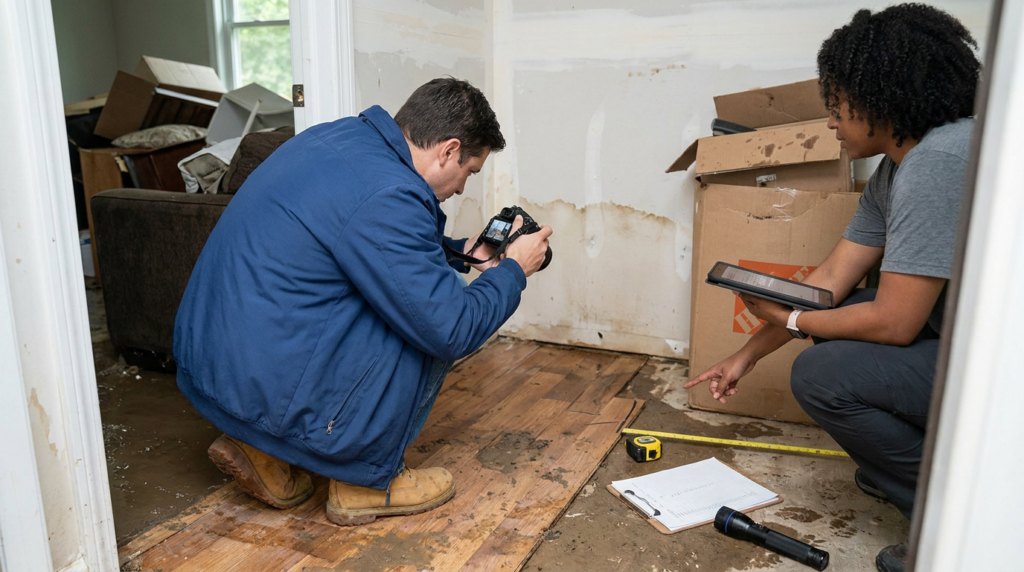
Thorough documentation is essential for a smooth and successful insurance claim. Without clear evidence, your insurer may dispute the extent of damage, delaying your recovery and increasing your out-of-pocket costs.
This evidence provides a complete record of your losses and helps expedite the claims process. We help coordinate with your insurance provider, as many of our customers like Jim Bobo experienced: “After contacting my insurance agent he directed us the The Flood Co for our next step. They were AMAZING!”
Taking Photos and Videos of Affected Areas
Visual records offer irrefutable proof of the damage before any cleanup begins. These images serve as concrete evidence for your insurance adjuster.
Use your smartphone or a digital camera to capture wide shots of affected rooms, followed by close-ups of specific damaged items, walls, flooring, and ceilings. Date and time-stamp your photos. Also, record short video clips narrating the damage as you move through your property. This thorough visual documentation is invaluable.
Creating an Inventory of Damaged Items
A detailed itemized list helps ensure you receive fair compensation for all damaged property. Overlooking items or providing vague descriptions can lead to undervalued claims.
Create a room-by-room inventory of all damaged belongings, including furniture, electronics, clothing, and personal items. For each item, note its description, approximate age, brand, model (if applicable), and estimated replacement cost. Attach any receipts or appraisals you have. This precise record strengthens your claim considerably.
Initial Water Removal and Drying Efforts: Mitigating Further Harm
Prompt water removal and drying are critical to prevent secondary damage like mold growth and structural issues. Every hour standing water remains, the risk escalates significantly.
This initial phase aims to extract bulk water and reduce ambient moisture quickly, setting the stage for professional restoration. For any questions, call us at (801) 294-7452.
Removing Standing Water Safely and Efficiently
Extracting standing water quickly minimizes absorption into building materials and furnishings. The longer water sits, the deeper it penetrates, making drying more difficult and costly.
For small amounts, use buckets and sponges. For larger floods, a wet/dry vacuum is effective. Never use household vacuums as they are not designed for water and pose an electrical hazard. Submersible pumps are necessary for significant standing water, particularly in basements. Remember, this is a dangerous task if done incorrectly; if in doubt, contact professionals for emergency water extraction and removal.
Aiding Ventilation and Starting the Drying Process
Proper airflow is essential to accelerate evaporation and prevent mold. Trapped moisture fosters fungal growth within 24-48 hours.
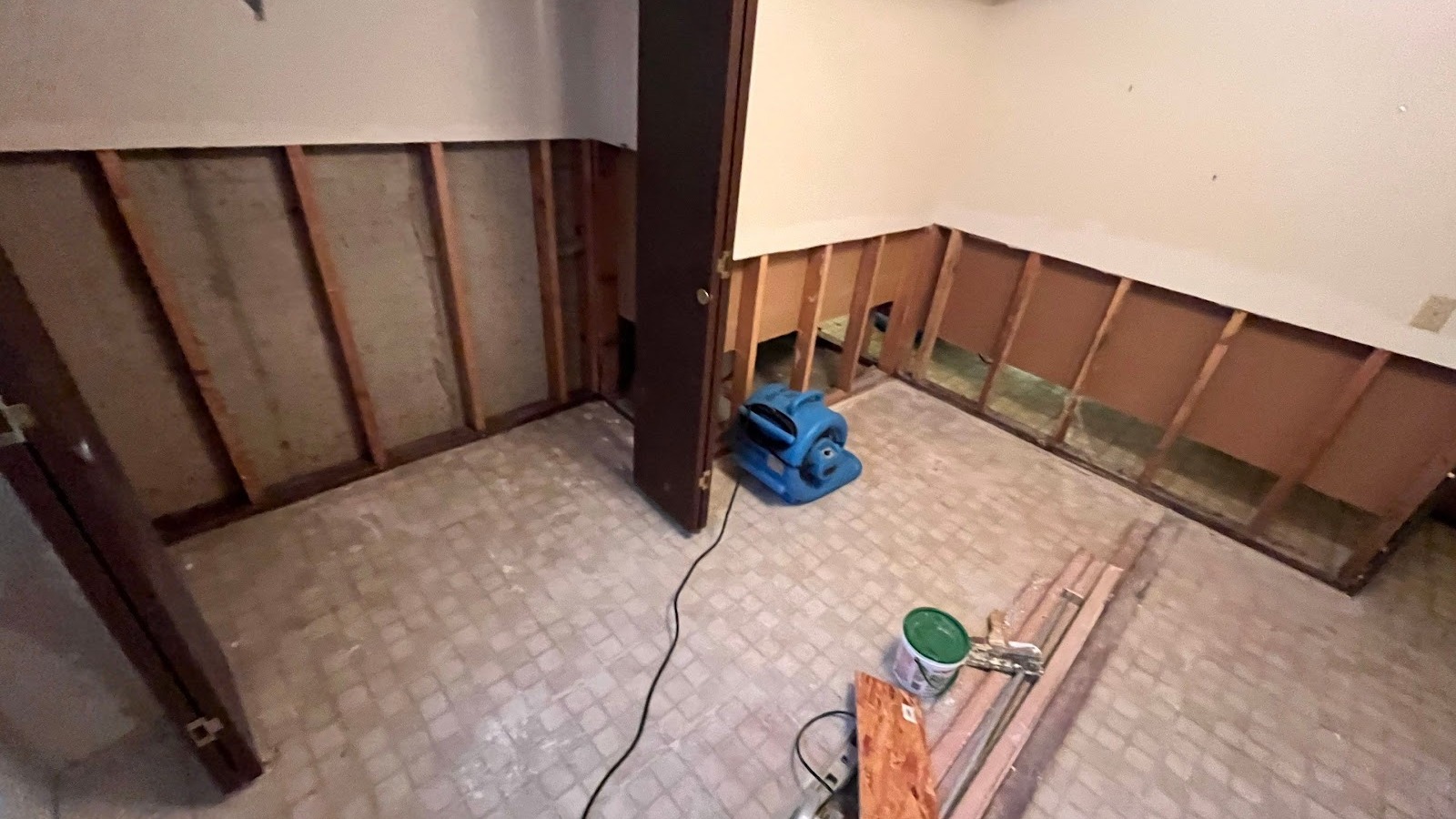
Open windows and doors to create cross-ventilation. Use fans to circulate air, directing them towards wet areas. Dehumidifiers actively pull moisture from the air, significantly speeding up the drying process. These devices are key for reducing humidity levels, which are often high in Utah’s varied climate, preventing condensation and secondary water damage.
Safeguarding Valuables and Preventing Secondary Damage
Protecting salvageable items minimizes your overall loss and helps preserve sentimental belongings. Secondary damage can often be more costly and extensive than the initial water intrusion.
Move electronics, artwork, documents, and other high-value items to a dry area immediately. Elevate furniture off wet carpets or floors using aluminum foil or wood blocks to prevent staining and moisture absorption. Remove wet rugs and carpets if possible, especially if the water category is determined to be gray or black. For complex situations, our content cleaning services can restore many types of items, from documents to furniture.
For more detailed information on preventing water damage, a local guide such as Preventing Water Damage: Top 5 Tips for Centerville, UT can offer specific actionable advice.
When to Call the Professionals: Restoration vs. DIY Recovery
While some immediate actions can be taken, DIY water damage recovery has significant limitations, especially with extensive or contaminated issues. Knowing when to call certified professionals saves time, money, and prevents long-term problems.
Prompt professional intervention is key to ensuring thorough cleanup and preventing secondary damage. Our customers consistently praise our rapid response, like Alison Dunn, who said, “The team at Flood Co. are awesome! They were out here so fast, let me know exactly what needed to be done and helped get the water cleaned up immediately. They were here and finished before the other company I called first even called back.”
Recognizing the Limits of Do-It-Yourself Water Damage Recovery
DIY methods often fall short in addressing hidden moisture, ensuring complete drying, and safely handling contaminated materials. Unseen moisture leads to hidden mold growth and structural integrity issues.
Homeowners lack the industrial-grade equipment, specialized training (like IICRC certifications), and experience to detect moisture in walls, subflooring, or behind cabinets. Failing to properly dry a structure can result in mold infestation, wood rot, and compromised indoor air quality. Category 2 or 3 water needs biohazard cleanup protocols that are unsafe for untrained individuals. For a thorough look, review Water Damage Restoration Comparison: Pro vs. DIY Recovery.
The Role of Professional Water Damage Restoration Services
Professional restoration companies offer comprehensive solutions unavailable to the average homeowner, from initial extraction to final repairs. They restore your property to its pre-damage condition and ensure a safe environment.
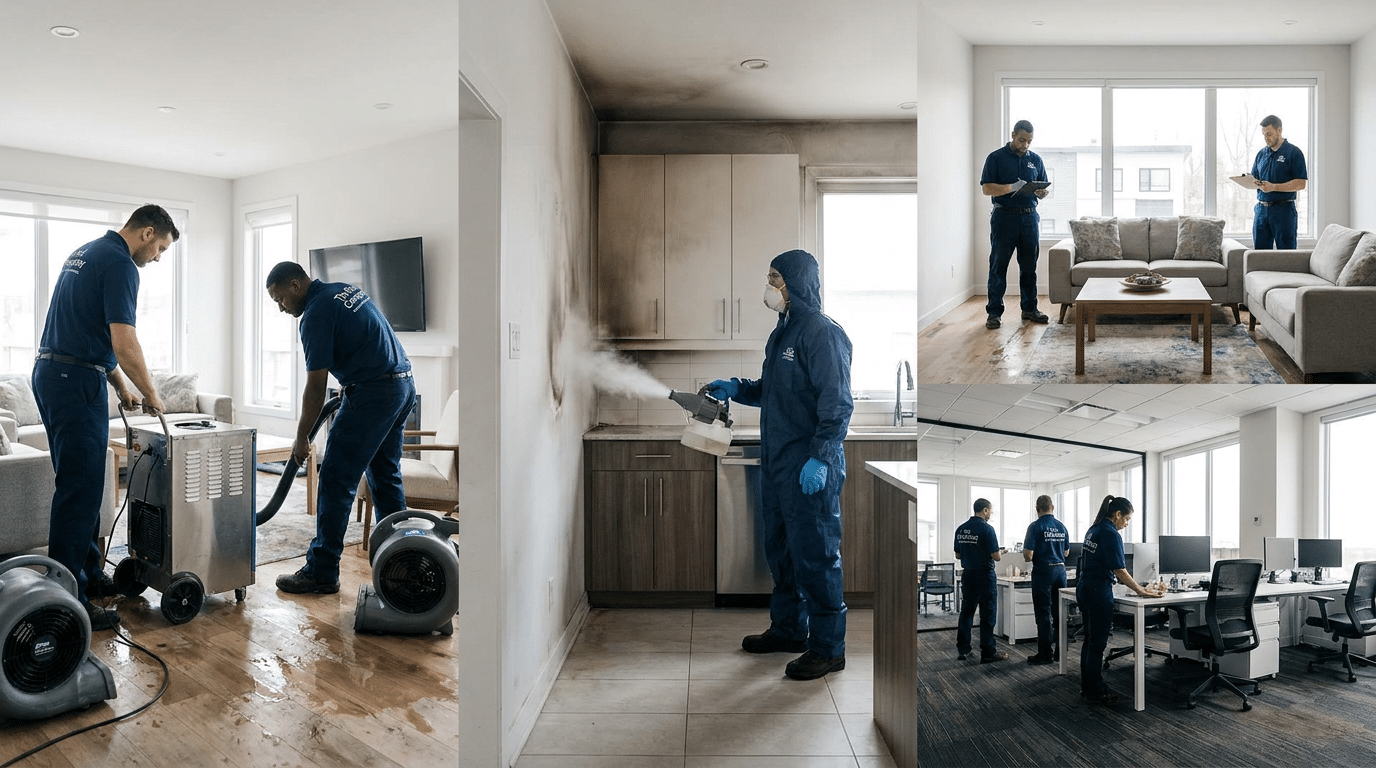
Our certified technicians use advanced equipment like thermal imaging cameras to detect hidden moisture, heavy-duty dehumidifiers, and air movers for efficient drying. We follow industry standards such as the IICRC S500 Standard, ensuring every step, from water extraction to deodorization, is performed correctly. We provide 24/7 emergency service, vital in preventing long-term damage, particularly for complex scenarios like a flooded basement or pipe burst.
We understand the anxiety a water emergency causes. L L, a satisfied customer, noted that Chris and Jose “eased my anxiety about the situation and were very informative of the drying out process.” Our team provides not only expertise but also peace of mind.
Coordinating with Your Insurance Company
Navigating insurance claims can be complex and stressful. Professionals act as your advocate, ensuring your claim is processed efficiently and accurately.
We work directly with all insurance providers, handling the paperwork and communication on your behalf. Our team provides detailed documentation, including estimates and reports, to your adjuster, streamlining the claim process. This direct billing option alleviates financial stress during an already difficult time. We also offer Zero Down Options for qualifying insurance-approved services.
For commercial properties, navigating these claims can be particularly challenging. Learn more about Commercial Water Damage Insurance Help in Centerville, UT for specific business owner guidance.
Preventing Mold and Future Damage: Long-Term Steps
After initial cleanup, the focus shifts to preventing mold growth and ensuring the long-term integrity of your property. Mold can develop rapidly and cause significant health issues and structural damage.
Proper drying and ongoing monitoring are essential to prevent secondary damage and future recurrence. Our services include Water Damage Mold Prevention, providing you with a complete recovery solution.
Understanding Mold Growth Timelines and Prevention
Mold can begin to grow on damp surfaces within 24-48 hours of water intrusion. This rapid timeline makes immediate, thorough drying key.
Mold requires moisture, organic material (like wood, drywall, fabrics), and a food source to thrive. If moisture levels persist, even after visible water is gone, mold spores will germinate. Preventing mold involves completely drying affected areas to below 15-20% moisture content. Our technicians use specialized moisture meters and hygrometers to confirm dryness. Free mold assessments are available to help identify potential issues early.
Pro Tip: Even if you don’t see mold, a persistent musty odor after water damage indicates hidden growth. Do not ignore it.
Ongoing Monitoring and Repairs After Initial Recovery
Post-restoration monitoring ensures no residual moisture or new issues arise. Complete structural repairs restore your property’s safety and aesthetics.
Keep a close eye on affected areas for several weeks after the initial cleanup. Look for signs of dampness, bubbling paint, or a return of musty odors. Complete necessary repairs, including replacing damaged drywall, insulation and baseboards. Our full services include full reconstruction, ensuring your property is returned to its pre-damage condition. This long-term approach prevents recurring problems and provides lasting peace of mind.
Frequently Asked Questions
The Bottom Line
Dealing with emergency water damage requires quick, decisive action to protect your property and health. Prioritize safety by addressing electrical hazards and stopping the water source. Document everything precisely for insurance. Initiate immediate water removal and drying to prevent mold. For any significant water damage, particularly involving contaminated water or large areas, professional restoration isn’t just recommended, it is essential. Professionals bring the expertise, equipment, and efficiency needed to restore your property thoroughly and safely.
Your Path to Complete Recovery Starts Here
Water emergencies don’t wait, and neither should you. Time is critical when facing water damage, as delays can lead to irreversible issues like extensive mold growth or structural compromise. The Flood Company provides 24/7 Emergency Service, ensuring rapid response when you need it most. Our Certified Professionals are equipped with over 20 years of experience to tackle any water damage.
Don’t let water damage overwhelm you. Call us at (801) 294-7452 for immediate assistance or to schedule a Free Consultation and Inspection. We handle everything from emergency water extraction to full reconstruction, including Direct Insurance Billing. Our Satisfaction Guaranteed promise means “We’ll Make It Right” every time.
Related Reads
- Steps of the Water Damage Restoration Process | The Flood Co
- Flood Cleanup Guide: What to Do After Water Hits Your Home
- Common Types of Mold in Homes After Water Damage in Utah
Written by The Flood Company Team | Last updated: July 2026