When the forecast in Northern Utah flashes a freeze warning, most people think about slick roads and snow shovels. What often gets overlooked is the plumbing quietly running through your walls, crawlspace, and yard.
A single frozen pipe can turn into a major water damage emergency in minutes once it thaws. We see it every winter across Centerville, Salt Lake City, Ogden, and surrounding communities – ceilings collapsing, ruined flooring, and hidden mold starting to grow.
If you live in Utah and you are worried about what a hard freeze could do to your home, you are in the right place. In this guide, we will walk through how freezing damages pipes, why professional help matters, and how to stay ahead of the next cold snap so you are protecting both your plumbing and your property.
If you also want step-by-step water damage recovery guidance, you can explore our detailed resource on what you should do immediately after water damage.
Why Utah Freeze Warnings Put Your Plumbing At Risk
How Freezing Temperatures Damage Pipes
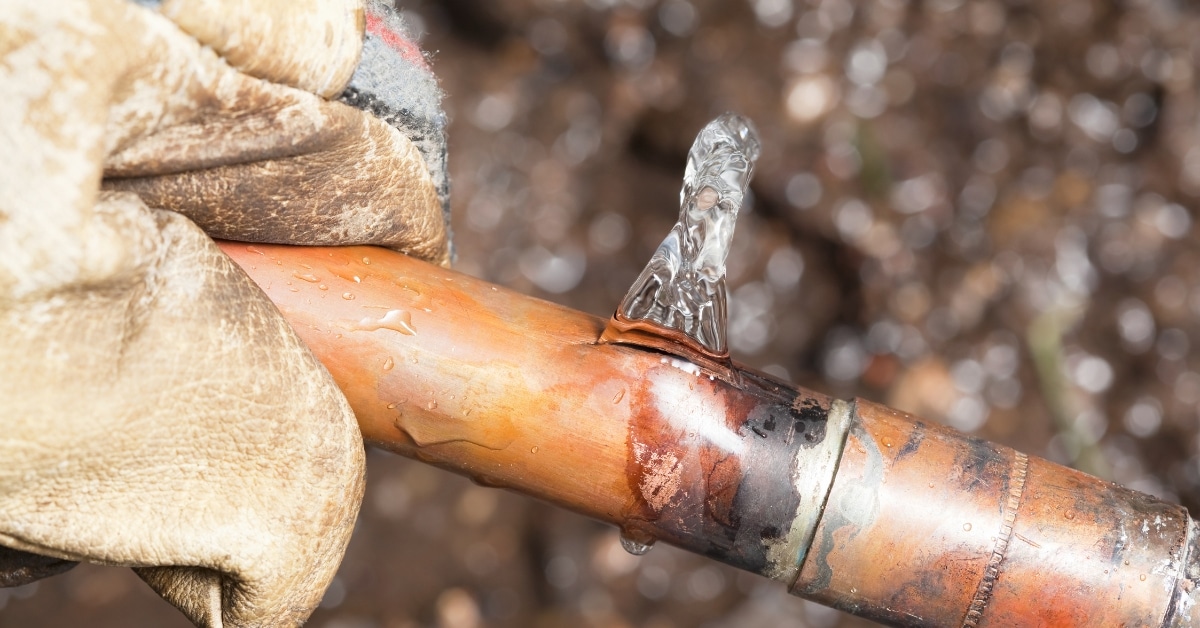
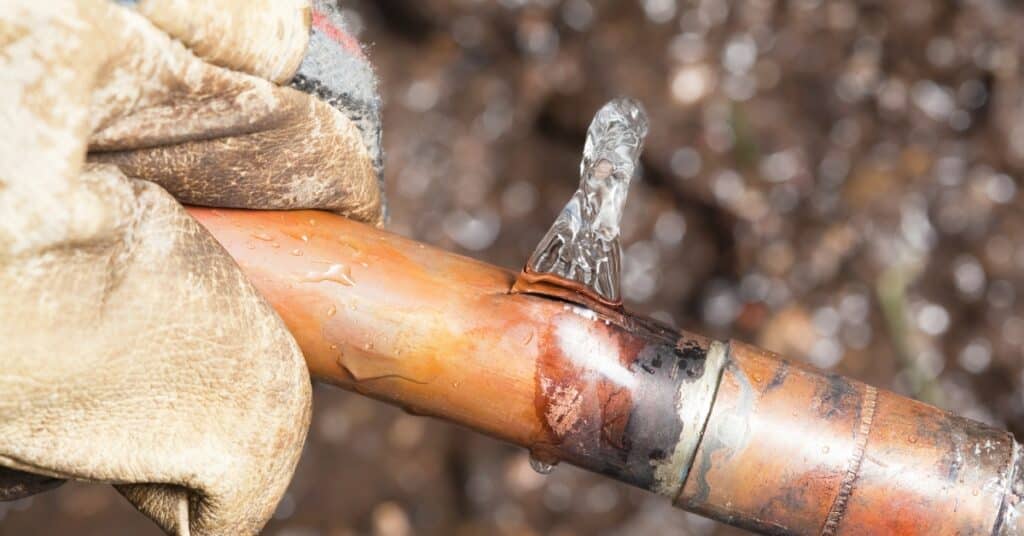
When temperatures drop quickly, water inside your pipes starts to freeze. As it freezes, it expands and creates intense internal pressure. The pipe usually does not burst where the ice sits. Instead, the pressure forces a weak spot to split open somewhere else along the line.
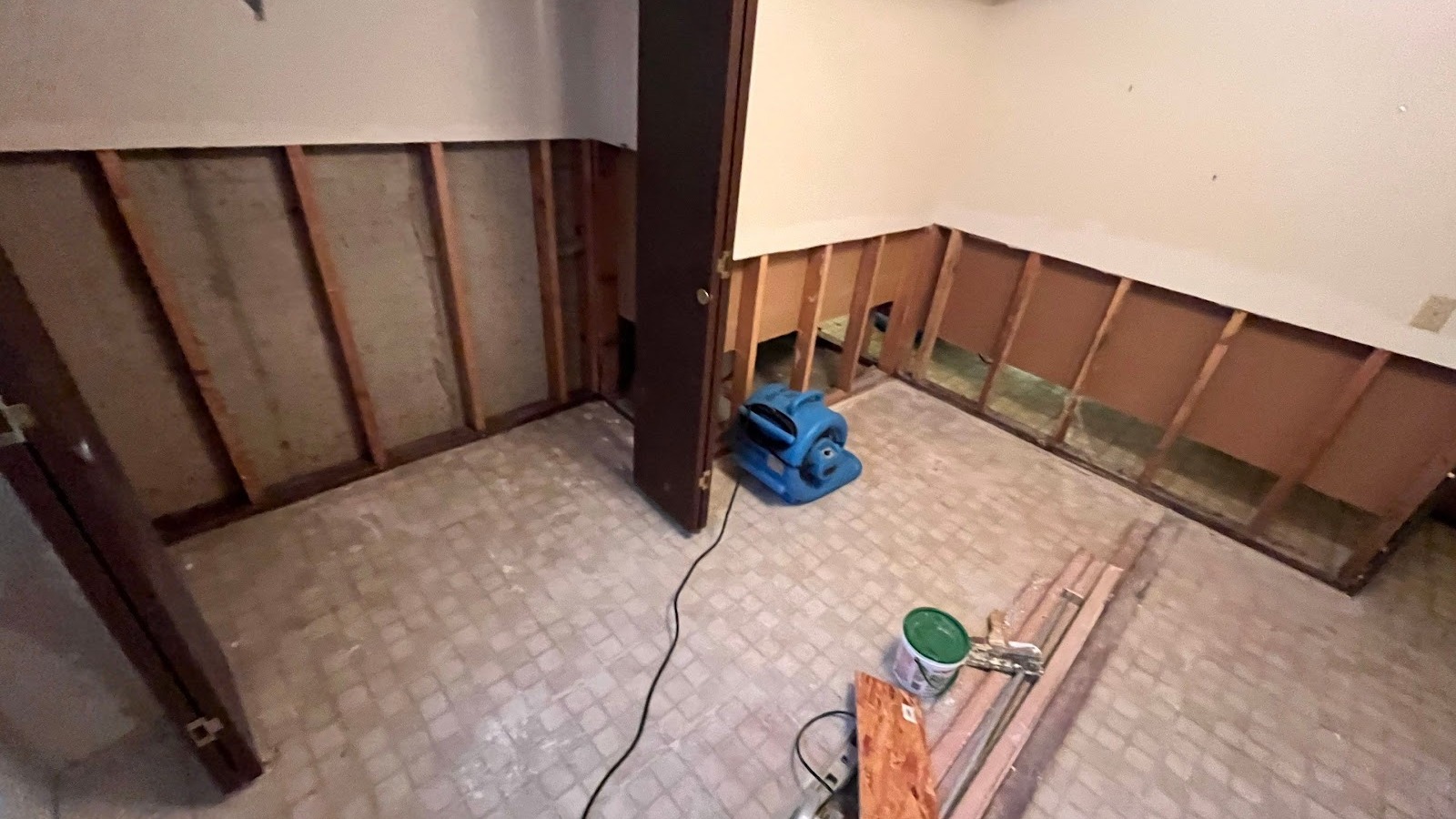
Once temperatures rise again, that ice melt turns into a pressurized leak that can run for hours before anyone notices. We regularly see this sequence lead to soaked drywall, ruined insulation, and saturated flooring that then requires full water damage restoration.
In Utah, rapid temperature swings make this even more dangerous. A pipe can freeze overnight and then flood your home the next afternoon when everything warms up.
Timely Prevention Steps When An Early Winter Storm Is On The Way
When an early winter storm alert pops up—especially the first hard freeze of the season—it is your cue to take quick, targeted action. Focus on the areas that freeze first in Utah homes:
- Exterior pipes and outdoor spigots
- Basement plumbing
- Kitchen sink and other sinks on exterior walls
- Crawl space plumbing
- Attic and overhead plumbing
These simple, storm-specific steps, combined with a professional inspection and long-term protection plan, dramatically reduce the odds that the season’s first big freeze will turn into a flooded basement, ruined kitchen, or wet crawl space.
Common Spots Where Pipes Freeze In Utah Homes
From our experience across Northern Utah neighborhoods, certain locations are especially vulnerable during a freeze warning:
- Uninsulated pipes in crawlspaces or unfinished basements
- Supply lines running along exterior walls
- Pipes in garages, utility rooms, or under stairwells
- Plumbing above unheated spaces, like over a cold garage
- Outdoor spigots and lines that were not winterized
We often see freeze-related leaks in homes that have had previous water issues, such as pipe leak cleanup or water heater leak cleanup, but the root cause was never fully addressed.
Warning Signs Your Pipes Are At Risk Of Freezing
You rarely hear a loud crack when a pipe freezes. The warning signs are much more subtle:
- Sudden drop in water pressure in one area of the home
- No water flow from a particular faucet during a cold snap
- Unusual sounds from plumbing when you turn fixtures on
- Frost, condensation, or unusually cold spots on exposed pipes
- Unexplained damp spots on ceilings, carpets, or walls after temperatures rise
If you notice any of these during or after a Utah freeze warning, it is time to call for professional help before a small issue turns into a major water damage cleanup project.

Professional Strategies To Protect Your Pipes Before A Freeze
Whole-Home Plumbing Inspections For Cold Weather
The most effective freeze protection starts before temperatures crash. A qualified plumber can walk your property and identify every vulnerable section of plumbing, then coordinate with restoration experts like us to reduce the risk of structural and moisture damage.
A thorough cold weather plumbing inspection typically includes:
- Mapping exposed and exterior-wall plumbing runs
- Checking insulation levels around pipes and in attics, crawlspaces, and basements
- Inspecting previous leak areas and repairs for weak points
- Evaluating hose bibs, irrigation lines, and exterior connections
We then use that information to build a prevention plan tailored to your home. That is far more reliable than guessing which pipe might freeze next.
Professional Insulation, Heat Cables, And Pipe Relocation
Protection is not just about wrapping a pipe with something from a hardware store. Installed correctly, professional-grade materials can significantly lower your risk of freeze-related bursts.
Common solutions include:
- High quality pipe insulation sized to your specific plumbing
- Electric heat cables or heat tape installed with proper clearances and controls
- Rerouting vulnerable lines away from exterior walls or unheated cavities
We frequently see homes that have suffered multiple incidents because a quick patch or cheap insulation was used instead of a proper fix. After a burst, we work with licensed plumbers to not only repair the line, but also make corrections so you are not calling us again after the next Arctic blast.
Smart Thermostat And System Settings A Plumber Can Optimize
Many homeowners ask a voice assistant a question like: “How low can I set my thermostat during a freeze and still protect my pipes?“ The honest answer is that it depends on your home’s layout and insulation.
A professional can help you:
- Determine safe temperature minimums for your specific house
- Identify zones that need higher settings during a cold snap
- Check that heating is reaching areas where plumbing runs
- Integrate alarms or sensors that alert you to abnormal temperature drops
We also recommend combining this with a professional water damage plan. Knowing exactly who you will call for emergency water extraction and removal if a line still fails gives you an extra layer of protection.

Why Professional Help Beats DIY Pipe Protection
Hidden Issues Homeowners Commonly Miss
We understand the temptation to handle everything yourself, especially if you are handy. The problem is that freeze risk is rarely obvious from the surface.
Here are a few issues we see homeowners miss right before a loss:
- Tiny gaps in exterior walls that funnel cold air directly to pipes
- Plumbing runs passing through attic bays with poor insulation
- Long horizontal runs in crawlspaces that sag and trap cold air
- Previous “quick fixes” that weakened the line or fittings
By the time we are called for water damage evaluation and assessment, the damage is already done. A trained professional knows where to look before things go wrong.
Risks Of Temporary Or Make-Shift Fixes
Space heaters in crawlspaces, open flames, or cheap no-name heat tape solutions might feel like a fast fix, but they introduce new hazards:
- Fire risks from overheating or improper clearances
- Electrical hazards from poorly installed cables or extension cords
- Uneven heating that leaves parts of the pipe still vulnerable
- False sense of security that delays a proper repair
We have restored homes where a small freezing issue turned into both water and fire damage restoration after a risky DIY solution went wrong. Professional-grade materials and installation remove those unnecessary dangers.
Long-Term Savings From Getting It Done Right The First Time
It is easy to underestimate the true cost of a burst pipe. Cleanup and restoration may involve:
- Removing and replacing drywall, insulation, and trim
- Drying structural framing and subfloors
- Treating or removing materials with mold growth
- Replacing flooring, cabinets, and personal belongings
You can get a sense of the potential scale by reviewing what typically happens in professional water restoration projects.
Compared to that, the cost of a solid freeze-prevention strategy is modest. Spending once on proper protection is almost always cheaper than paying for emergency mitigation, reconstruction, and possible mold remediation in Utah after a major leak.
What To Do If You Suspect A Frozen Or Burst Pipe
Immediate Steps To Limit Damage While You Wait For Help
If you suspect a frozen or burst pipe during a Utah freeze, speed matters. You do not need to attempt your own repairs, but you can take a few basic protective steps while waiting for professionals:
- Turn off the main water supply if you see active leaking
- Avoid using electrical outlets or switches near wet areas
- Move valuables and electronics away from visible water
- Keep everyone clear of sagging ceilings or bulging walls
Then, contact a licensed plumber and a certified restoration team right away. Our crews are available 24/7 to begin flood cleanup, repair, and restoration so damage does not spread.
For a deeper look at the full recovery process, you can review our guide on the steps of the water damage restoration process.
How Plumbers Thaw Pipes Safely And Repair Damage
Professional plumbers use controlled methods to thaw frozen pipes and repair breaks safely. Depending on access and pipe material, they may:
- Use specialized heating equipment applied gradually along the pipe
- Open targeted sections of drywall or ceiling to reach hidden lines
- Replace damaged sections instead of patching weak spots
- Add insulation or reroute lines after the repair
If you are curious about thawing methods, our separate guide on how to thaw a frozen pipe explains why professional techniques are safer than trial-and-error.
Once the plumbing repair is complete, we step in to handle moisture mapping, structural drying, and any required mold prevention strategies post water damage. That combination of plumbing repair plus professional restoration is what truly brings a home back to pre-loss condition.
How To Prepare For Your Winter Plumbing Service Visit
Information To Share With Your Plumber Before They Arrive
Clear communication helps your plumber and restoration team move faster once they are on site. Before a scheduled cold weather visit or an emergency response, gather:
- A brief history of any past leaks, bursts, or water damage
- Locations of pipes that have frozen before
- Recent changes, such as remodels or new appliances
- Any strange noises, pressure changes, or cold spots you have noticed
If you already experienced water damage, photographs and videos taken before we arrive are extremely helpful for both us and your insurance adjuster. For guidance on the claims process, our article on why insurance claims can be stressful offers practical tips to make it smoother.
What To Expect During A Cold Weather Plumbing Appointment
During a winter-focused visit, you can generally expect your plumber and restoration partner to:
- Inspect exposed and vulnerable plumbing runs
- Test fixtures and lines for pressure issues or restrictions
- Recommend targeted upgrades or insulation improvements
- Discuss contingency plans if another deep freeze hits
If freeze damage has already occurred, we will also assess the affected areas, set up drying equipment if needed, and outline next steps. In more complex situations, such as ceiling or attic leaks related to ice dams, we may also evaluate your property for Utah ice damming risks so the same pattern does not repeat next storm.
This combined plumbing and restoration approach is what keeps many of our Utah clients protected year after year, instead of facing a new disaster each winter.

Stay Ahead Of The Next Utah Freeze Warning With Professional Pipe Protection
Utah winters are hard on homes, but freeze warnings do not have to end in soaked carpets and torn-out drywall. With the right team, you can identify your vulnerable plumbing, protect it before temperatures plunge, and have a clear plan if something ever goes wrong.
At The Flood Company, we have helped Utah homeowners and businesses through every stage of cold weather water damage, from the first frozen pipe to final reconstruction. We work closely with trusted local plumbers, respond 24/7, and understand what it takes to restore properties across Centerville, Bountiful, Ogden, Salt Lake City, and surrounding communities.
If you are concerned about your home before the next freeze, or you are already dealing with water from a burst line, you can start by exploring our water damage cleanup services in Salt Lake City or our broader 24/7 disaster restoration locations across Utah. Our goal is simple: protect your property, restore your home, and give you real peace of mind when the temperature drops.
Related reads:
For more on winter and water damage, you may also find these helpful:
- Learn how a “small” leak can turn into a major loss: Why that small pipe leak could cost you thousands if you wait too long
- Get ahead of seasonal risks: Beat the freeze: how a disaster cleanup company mitigates water damage from snow
- Understand winter flood threats: Snowmelt flooding and why a disaster cleanup company should be your first call
- Explore more educational resources in our main blog library
Key Takeaways
- Utah freeze warnings signal serious risk to your plumbing, as rapid temperature drops and swings can freeze pipes overnight and cause major leaks once they thaw.
- The most vulnerable pipes in Utah homes are in crawlspaces, unheated basements, exterior walls, garages, and outdoor spigots that were not properly winterized.
- Professional pipe protection before a Utah freeze warning—including detailed inspections, proper insulation, heat cables, and rerouting exposed lines—significantly reduces the chance of burst pipes and costly water damage.
- DIY fixes like space heaters, cheap heat tape, or quick patches often miss hidden weak spots and can add fire or electrical hazards, making professional help a safer long-term investment.
- If you suspect a frozen or burst pipe, shut off the main water supply, avoid electrical hazards, protect valuables, and call a licensed plumber and restoration team immediately to limit damage and speed recovery.
Frequently Asked Questions
Why do Utah freeze warnings put my home’s plumbing at higher risk?
Utah freeze warnings often come with rapid temperature swings. Water in pipes can freeze overnight, expand, and create extreme pressure that splits a weak spot elsewhere in the line. When temperatures rise, the ice thaws and turns into a pressurized leak that can quietly soak walls, ceilings, and floors.
What are the most common places pipes freeze in Utah homes?
In Northern Utah homes, pipes most often freeze in uninsulated crawlspaces or unfinished basements, along exterior walls, in garages or utility rooms, above unheated spaces like over a cold garage, and at outdoor spigots or irrigation lines that weren’t properly winterized before the first hard freeze.
What warning signs tell me my pipes may be freezing during a Utah freeze warning?
Watch for a sudden drop in water pressure, no water from a specific faucet, unusual noises when fixtures run, visible frost or condensation on exposed pipes, or unexplained damp spots after temperatures rise. These signals mean it’s time to call a plumber and restoration professional before damage escalates.
How can a professional plumber help protect your pipes before a hard freeze?
A plumber can inspect your entire home, identify vulnerable plumbing runs, and recommend targeted solutions like correctly sized pipe insulation, professionally installed heat cables, or rerouting lines away from exterior walls. They can also help optimize thermostat settings and add sensors so cold spots are detected before pipes freeze.
What temperature should I keep my house at to prevent frozen pipes in Utah?
Most experts recommend keeping your home at least 55–60°F, but the exact safe minimum depends on your insulation, pipe locations, and how air circulates. Homes with plumbing in exterior walls or over garages may need higher settings. A licensed plumber can evaluate your layout and suggest safe temperature targets.
What should I do immediately if a pipe bursts during a Utah freeze warning?
If a pipe bursts, shut off the main water supply right away, avoid using outlets near wet areas, move valuables from affected rooms, and keep people away from sagging ceilings or bulging walls. Then contact a licensed plumber and a 24/7 water damage restoration company to start cleanup and repairs quickly.