Your Post-Flood Priority: Preventing Mold Growth Now
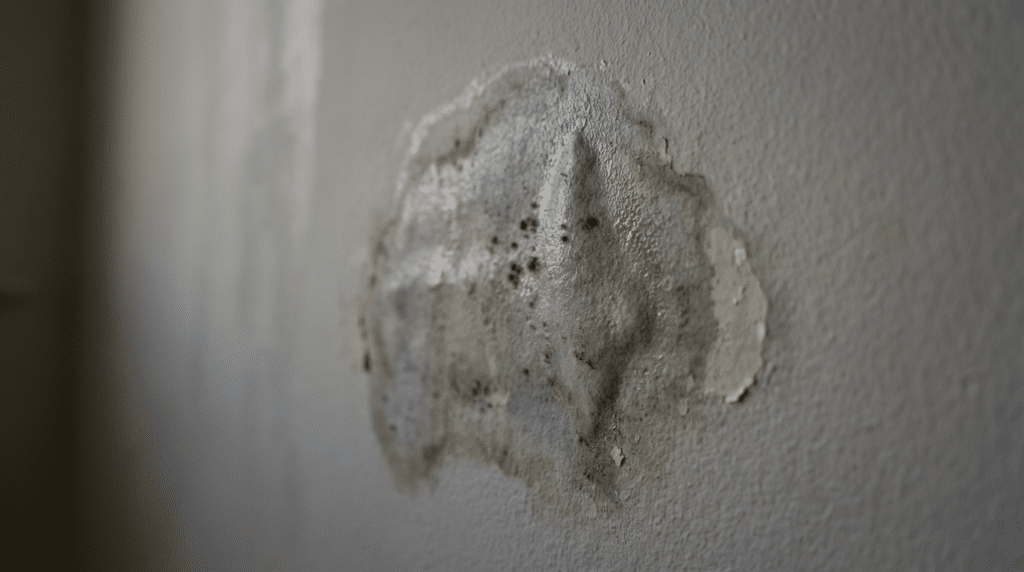
That musty smell lingering after water damage is your first warning sign. Mold can begin to grow within 24 to 48 hours of a water event, silently compromising your home’s structure and air quality. The key to preventing mold growth from water damage is immediate, decisive action. This guide outlines the exact steps to take, how to identify hidden mold, and the critical point at which you must call for professional help to protect your property and your family’s health. We will cover the effective drying techniques that work, what mold actually looks like, and the long-term strategies to keep it from returning.
What We’ll Cover:
- Mold Prevention After Water Damage: Your Immediate Action Plan
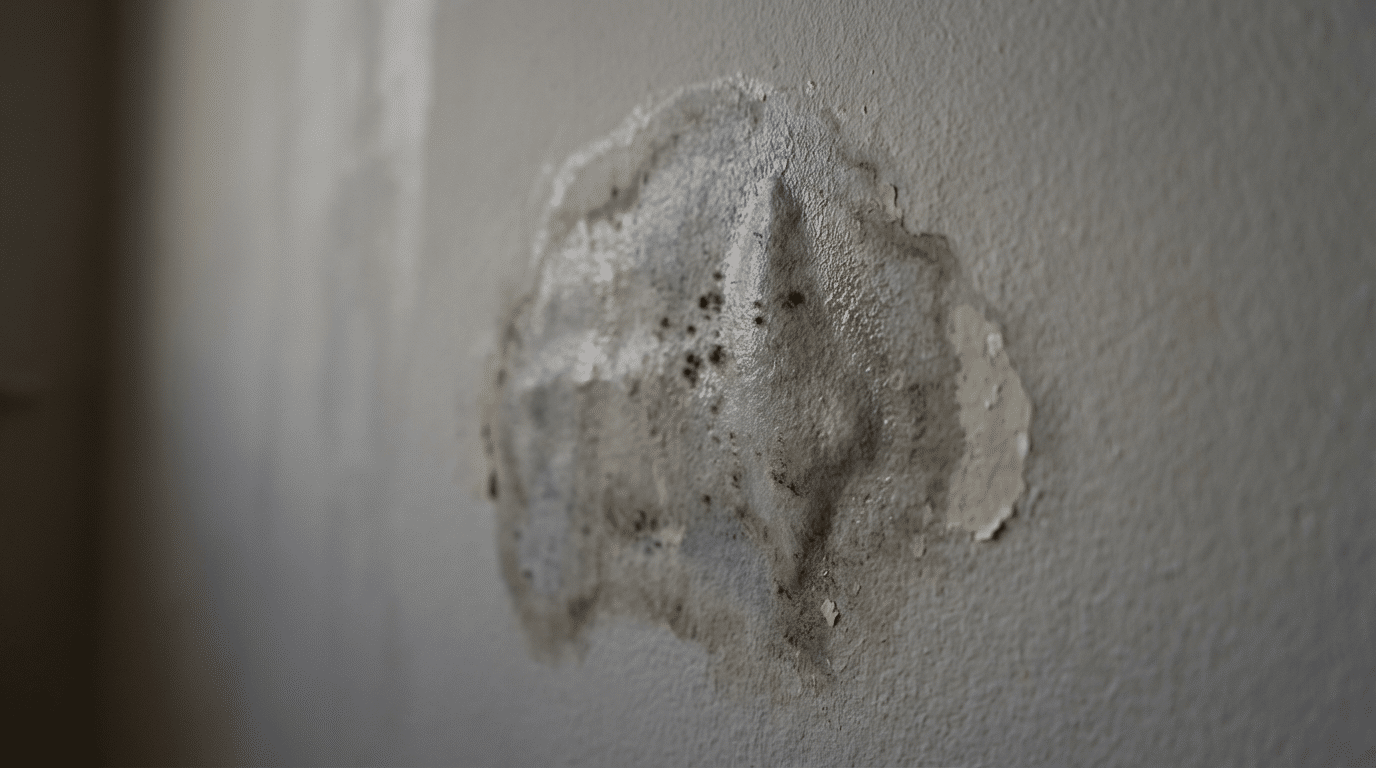
- Spotting the Signs: What Does Water Damage Mold Look Like?
- Is Water Damage Mold Dangerous? Health Risks & Concerns
- Calling in the Experts: When Professional Mold Remediation is Necessary
- Long-Term Mold Prevention Strategies for Your Home
- Your Questions About Post-Flood Mold, Answered
Mold Prevention After Water Damage: Your Immediate Action Plan
Your response in the first 48 hours determines whether you face a simple cleanup or a complex mold remediation project. In Utah, from heavy snowmelt runoff in the spring to a burst pipe in the dead of winter, water intrusion requires a systematic and rapid approach. Homeowners who act swiftly can significantly reduce the scope of damage and prevent mold from ever taking hold. This is the moment to move from panic to a clear plan.
Act Fast: Why Time is Critical for Water Damage Mold Prevention
Mold spores are everywhere, but they only become a problem when they find moisture and a food source, such as drywall or wood. Once a water event occurs, you are on a 24-48 hour clock before amplification begins. Waiting even one extra day allows moisture to saturate porous materials, creating an ideal breeding ground. Fast action contains the damage, lowers restoration costs, and protects your home’s structural integrity. That’s why our teams offer 24/7 emergency response; as many Utah homeowners have noted, having a crew on-site within the hour can be the difference between a minor issue and a major overhaul.
Effective Drying Techniques to Avoid Mold Growth
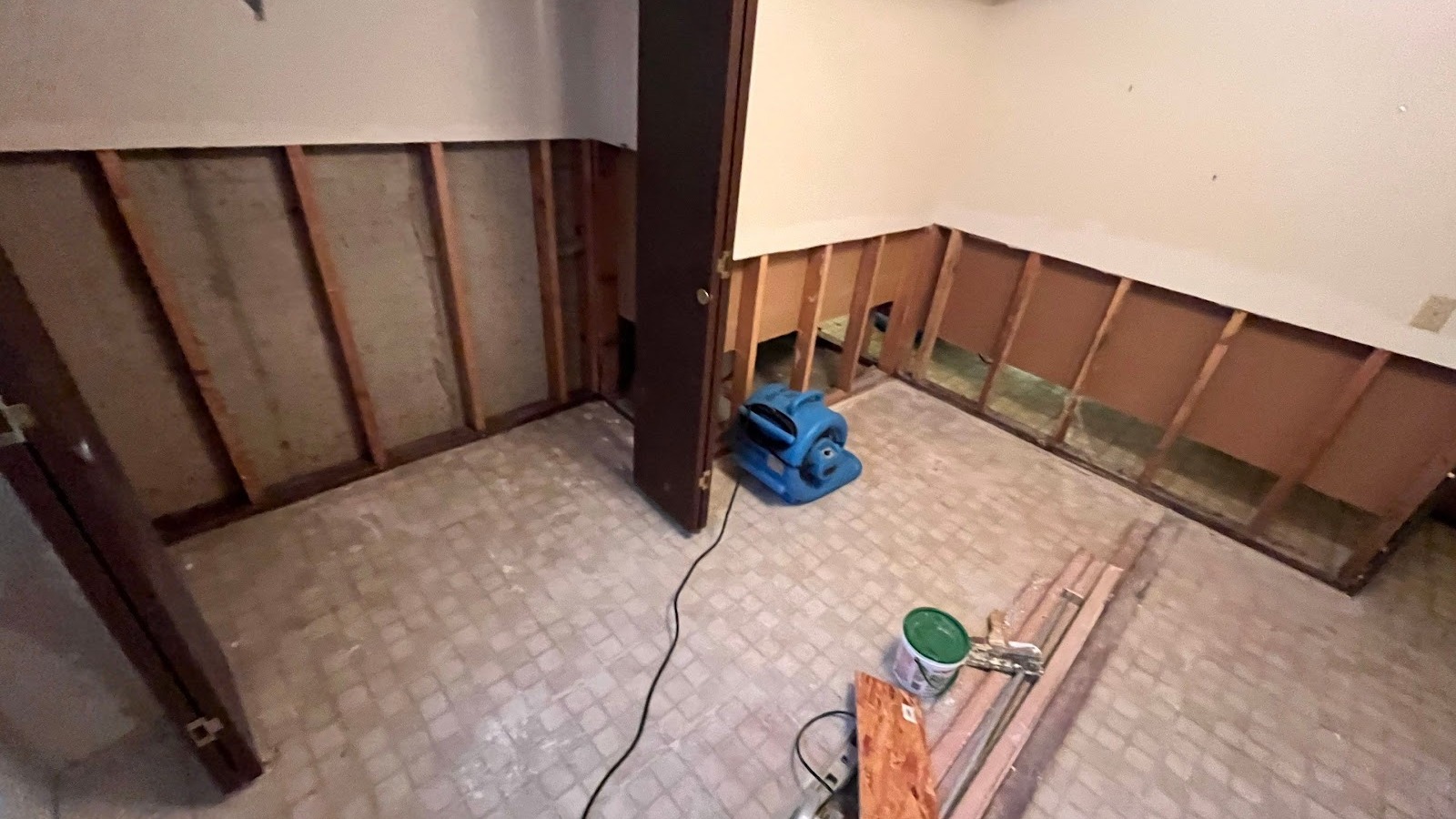
Effective drying is more than just opening windows and running house fans. The goal is to remove moisture from the air and from deep within materials. Start by removing all standing water with a wet-dry vacuum. Next, set up high-volume fans (air movers) to circulate air across wet surfaces such as floors and walls. A commercial-grade dehumidifier is non-negotiable; it pulls gallons of moisture from the air, accelerating the drying of materials that feel dry to the touch but still harbor water. Our technicians use industrial LGR (Low-Grain Refrigerant) dehumidifiers and strategically placed air movers to restore normal humidity levels swiftly and efficiently.
Cleaning & Disinfecting: DIY Solutions for Mold Prevention
For minor surface mold on non-porous materials like glass or tile, a DIY solution can be effective. A simple spray of white vinegar can help clean small, contained spots. However, this method is entirely insufficient for porous materials like drywall, carpet, insulation, or wood. Spraying these surfaces only addresses the visible layer, leaving the root system intact within the material. As our certified technicians often explain to clients, materials such as water-damaged drywall cannot be salvaged; they must be removed to eliminate the mold food source. Attempting to simply clean them is a guaranteed way to have mold return.
Spotting the Signs: What Does Water Damage Mold Look Like?
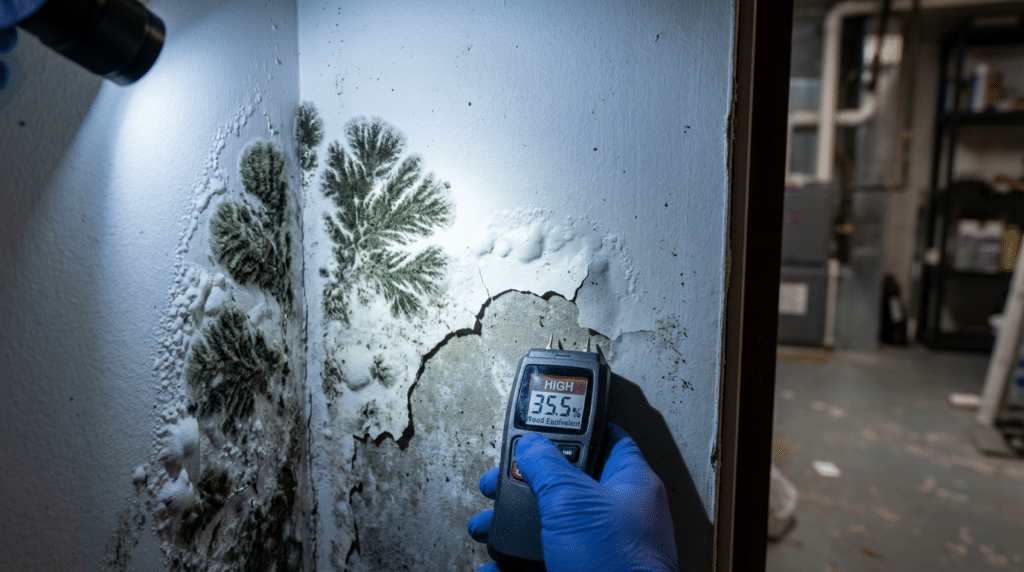
Visible mold is not always the first or only sign of an infestation. Homeowners often notice a persistent, earthy odor long before they see any growth. Understanding where mold hides and what its presence indicates is crucial for early detection. Trust your senses—if something looks or smells off after water damage, it warrants a closer inspection.
Beyond the Obvious: Where Mold Hides After a Flood
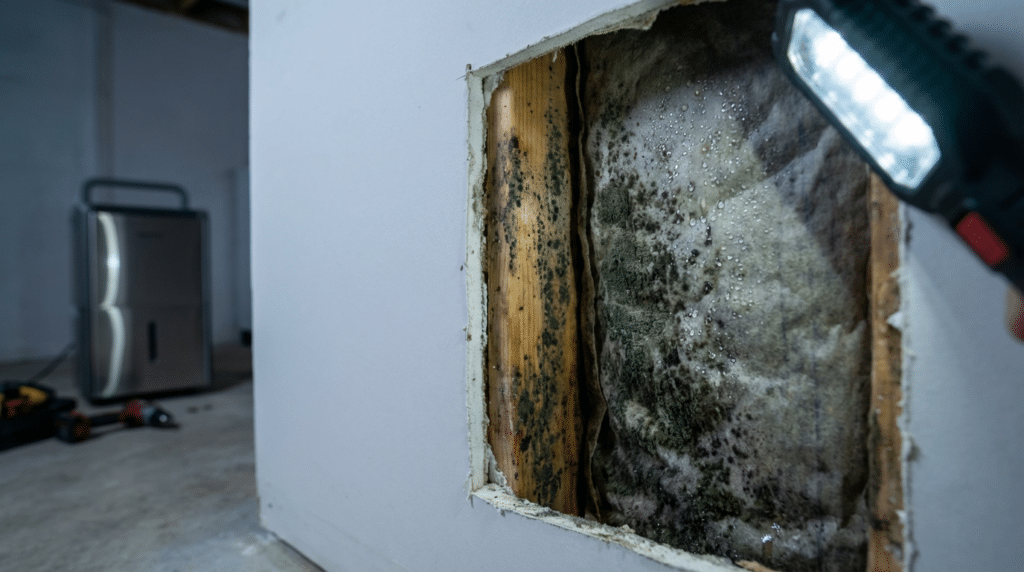
Mold often grows in dark, damp, hidden places long before it appears in plain sight. After a flood or leak, you must inspect behind baseboards, under peeling wallpaper, beneath carpets and padding, and inside wall cavities. Other common hiding spots include the back of drywall, around window frames where condensation collects, and in HVAC systems, where spores can circulate throughout your home. Our free mold assessment uses moisture meters and thermal imaging cameras to detect hidden moisture pockets where mold is likely to be thriving.
Understanding the Odor: A Key Indicator of Mold
That distinct musty smell is a direct result of Microbial Volatile Organic Compounds (MVOCs), which are gases produced by active mold growth. This odor is more than a nuisance; it’s a clear signal that mold is consuming materials and releasing spores into your air. If an area of your home smells damp and earthy weeks after it has supposedly dried, it is almost certain that there is a hidden mold source. Many clients call us after trying to mask the smell, only to find an extensive colony behind a wall or under the floor.
Is Water Damage Mold Dangerous? Health Risks & Concerns
Not all mold is toxic, but all mold is an allergen and can cause health issues, especially for vulnerable individuals. The presence of any type of significant mold growth degrades indoor air quality and should be treated as a potential health risk. Understanding the symptoms of exposure and knowing when the risk is elevated are key to protecting your loved ones.
Common Health Symptoms Associated with Mold Exposure
Exposure to mold spores can trigger a range of allergic reactions and health symptoms. The most common include persistent coughing and wheezing, sneezing, red or itchy eyes, skin rashes, and sore throats. For individuals with asthma or compromised immune systems, these reactions can be much more severe, potentially leading to respiratory infections. If your family starts experiencing unexplained, allergy-like symptoms after a water incident, it’s a strong indicator that you need a professional mold remediation assessment.
When to Be Most Concerned: Identifying Black Mold and Other Toxic Strains
The term “black mold” most often refers to Stachybotrys Chartarum, a toxigenic species that can produce mycotoxins. This type of mold is greenish-black, slimy to the touch, and thrives on materials with high cellulose content that remain wet for days or weeks, like drywall, wood, and ceiling tiles. While only testing can confirm the species, any large, dark mold colony found after significant water damage should be treated as a serious hazard. Our certified technicians are trained to safely handle and remove materials contaminated with toxigenic mold, using containment and air filtration to prevent cross-contamination and restore your home to a safe condition.
Calling in the Experts: When Professional Mold Remediation is Necessary
Knowing the line between a DIY cleanup and a professional job is vital. Tackling a large-scale mold issue without proper training and equipment can worsen the problem, spread spores throughout your home, and expose your family to health risks. A professional assessment provides a clear path forward and ensures the problem is solved completely.
Small Problem vs. Large Scale: Professional Assessment Criteria
A general industry guideline is to call a professional if the moldy area is larger than 10 square feet. You should also call for expert help immediately if you suspect mold is growing inside your HVAC system or within the walls. Furthermore, any mold resulting from contaminated water, such as a sewage backup or riverine flooding, is considered a biohazard and must be handled by certified professionals. If you’re unsure, it’s always safest to get an expert opinion. We offer a **free, no-obligation mold inspection** to give Utah homeowners clarity and peace of mind.
The Benefits of Hiring a Certified Mold Remediation Company
Hiring a certified company like The Flood Co. ensures the problem is resolved correctly the first time. Our process involves more than just cleaning; we establish containment zones to prevent spores from spreading, use HEPA-filtered air scrubbers to purify the air during removal, and properly discard contaminated materials. Our core value of ‘100% Responsibility’ means we document everything and work directly with your insurance provider to streamline your claim. As customers like Holly Fairbanks have shared, our teams are “fabulous to work with” and “so efficient,” cutting out all affected materials and using air scrubbers to “keep us safe.” We handle the entire challenge, from discovery to full restoration.
Long-Term Mold Prevention Strategies for Your Home
Once your home is restored, the focus shifts to preventing future issues. A dry home is a mold-free home. Simple, consistent maintenance and vigilance are the best defenses against another water or mold emergency. These strategies are especially important in Utah, where weather extremes can test a home’s defenses.
Maintaining Optimal Humidity Levels to Deter Mold
Mold cannot grow without moisture. The key to long-term prevention is controlling the humidity inside your home. Aim to keep indoor humidity levels between 30% and 50%. Use exhaust fans in bathrooms and kitchens to vent moisture outside. In naturally damp areas like basements and crawl spaces, running a dehumidifier continuously, especially during periods of heavy rain or spring snowmelt, is a powerful preventative measure.
Regular Inspections and Maintenance to Prevent Future Water Damage
Proactive maintenance is your best long-term strategy. Regularly inspect your home for signs of water intrusion or leaks.
Check under sinks and around toilets for slow drips.
Examine your roof for missing or damaged shingles.
Ensure gutters and downspouts are clear and directing water away from your foundation.
Inspect appliance hoses for cracks or bulges.
Catching a small pipe leak early can prevent a catastrophic failure and subsequent mold growth down the line.
Your Questions About Post-Flood Mold, Answered
Utah’s arid climate can be misleading. While the dry air helps with surface evaporation, it can also cause homeowners to believe an area is fully dry when moisture remains trapped inside walls or under flooring. Rapid temperature swings can also create condensation within building materials, while heavy winter snowpack leads to significant spring runoff and saturated ground, increasing the risk of basement and crawl space flooding.
Get help with water damage whenever there is an accident, a leak, or an appliance problem that gets anything wet in your home. It doesn’t have to be visibly wet to lead to serious damage.
If wood or other organic materials are at 17% moisture content or above they are at risk of growing mold. If they stay wet for more than a few days mold can grow. Once mold grows, the same drying options are not available and more demolition is necessary. Whenever you have a water damage event have it checked out to avoid more serious damage.
Yes, properties near rivers, lakes, or in areas with high water tables are at a greater risk. The soil is often more saturated, leading to higher ambient humidity in basements and crawl spaces and an increased likelihood of water intrusion during heavy rains or snowmelt. Homeowners in these areas should be hyper-vigilant about foundation waterproofing and humidity control.
Our free mold assessment is a comprehensive, non-invasive visual inspection of your property. A certified technician will visit your home, discuss your concerns, and use professional tools like moisture meters and thermal cameras to identify areas with excess moisture where mold could be growing. We will then provide a clear explanation of our findings and recommend a plan of action if remediation is necessary, all at no cost to you.
Some common items that are often overlooked are:
Absolutely. Ice dams force water up under your shingles, and into your attic and wall cavities, a path water isn’t meant to travel. This moisture gets trapped in insulation and wood framing, creating a hidden mold factory. Remediation often requires removing wet insulation and treating attic structures, a much different process than addressing a basement flood. This is a common Utah winter challenge our team has extensive experience with.
Refrigerator: The refrigerator is often overlooked after a fire. Carefully inspect the inside of your refrigerator before compromising your family’s health. You should never store food in a refrigerator affected by smoke damage.
Plants: House plants can suffer long-term effects after being exposed to smoke. In most cases, simply wiping down the plant can be helpful. Leaving the plants outdoors to help regenerate affected cells can help restore your plant’s health.
Clothing: A fire may have happened on the other side of your property; however, smoke travels further than flames. Be sure to clean all clothing that may have been exposed to smoke.
Yes. In Utah, you have the legal right to choose the restoration company you trust. While your insurer may offer recommendations, you are not obligated to use them. We work with every insurance company and are experts at navigating the claims process, often billing the insurance company directly to reduce your stress. Our priority is to act in your best interest and restore your property correctly, a principle that guides our insurance claim assistance.
Our goal is always to restore your property with minimal disruption. We use targeted demolition, removing only the materials that are not salvageable. By precisely identifying the affected areas, we can often save large portions of drywall, flooring, and cabinetry. We believe in surgical removal, not widespread destruction, to get your home back to its pre-loss condition swiftly and efficiently.
Restore Your Home and Your Peace of Mind
The fear and uncertainty following water damage are real, but you don’t have to face them alone. The key to successful water damage mold prevention is a combination of speed, the right techniques, and expert knowledge. While immediate first steps can help, true peace of mind comes from knowing the problem has been handled completely.
Our team at The Flood Co. is built on a foundation of empathy and expertise. We understand the stress you’re under, and our entire process is designed to lift that burden. From the initial emergency call to navigating insurance paperwork and restoring your home to its former glory, we are your partners in recovery. If you see signs of mold or are worried about hidden moisture after a leak or flood, don’t wait for the problem to grow.
Call The Flood Co. today for a free, no-obligation mold inspection and take the first step toward a safe, healthy, and fully restored home.
Related Reads: