
Why This Tiny Problem Turns Into A Big Bill
If you’ve noticed a small drip near a pipe or fixture in your Utah home, it’s tempting to ignore it. Maybe it only happens when the washing machine runs. Maybe it’s hidden behind the toilet and only leaves a little puddle every now and then. Most homeowners hope it will disappear on its own. Unfortunately, leaks rarely stay contained, and the damage almost always spreads farther than expected.
This guide breaks down how that small leak can grow into a major repair, how quickly water can spread through your home, and what you can do right now to stop the problem before it becomes bigger. If you live anywhere from Ogden to Salt Lake City and are dealing with water where it shouldn’t be, you are not alone. We see this every week, and the story usually starts the same way: “It didn’t look that bad at first.”
Let’s walk through the real issues, the real costs, and the smartest next steps.
Quick Guide
How A Small Leak Turns Into Major Damage
Homeowners often focus on what they see. This might be a drip, a small puddle, or a damp spot. The bigger issue is what you cannot see. Water follows gravity and pressure. It seeps sideways through flooring, down wall cavities, and into insulation. Once moisture settles inside a closed space, the materials begin breaking down silently.
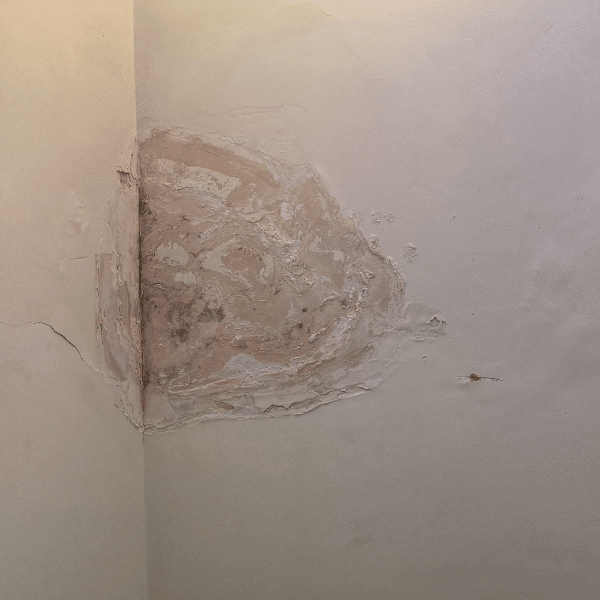
- Drywall absorbs water quickly.
- Wood framing starts to swell.
- Insulation becomes saturated and stops performing well.
- Flooring can warp, lift, or separate.
In Utah homes, especially older ones, hidden plumbing often runs through tight spaces where moisture gets trapped. A leak that looks like a simple annoyance today can be soaking structural components by tomorrow.
This means a small visible drip is rarely the true size of the problem.
The True Cost Of Waiting
A small leak is inexpensive to fix when it is caught early. The consequences of waiting are not.
Here is the financial progression most homeowners experience:
If you act early
• Quick plumbing repair
• Small patch or cosmetic fix
Typical range: 150 to 500 dollars
If you wait a week or two
• Moisture spreads through walls or floors
• Mold begins to form
• Selective demolition becomes necessary
• Professional drying is required
Typical range: 1,000 to 3,500 dollars
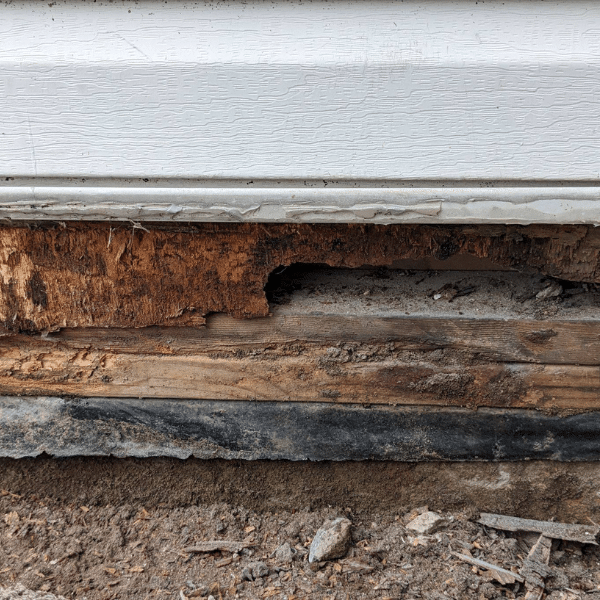
If you wait longer
• Widespread mold growth
• Multiple rooms affected
• Framing, insulation, and drywall replacement
• Possible electrical and flooring damage
• Insurance complications
Typical range: 5,000 to 15,000 dollars or more
The pattern is predictable. Water moves, mold activates, and structural materials weaken. Repair costs increase rapidly.
The Early Warning Signs Homeowners Usually Miss
Most people discover leaks only after damage has been building for weeks or months. The early indicators are often subtle.
• A faint musty odor in a bathroom, laundry room, or basement
• Soft spots, bubbling paint, or discoloration on walls
• Flooring that feels cooler or slightly soft
• An unexplained increase in your water bill
• Mold spots near baseboards or around fixtures
• Persistent humidity in one room
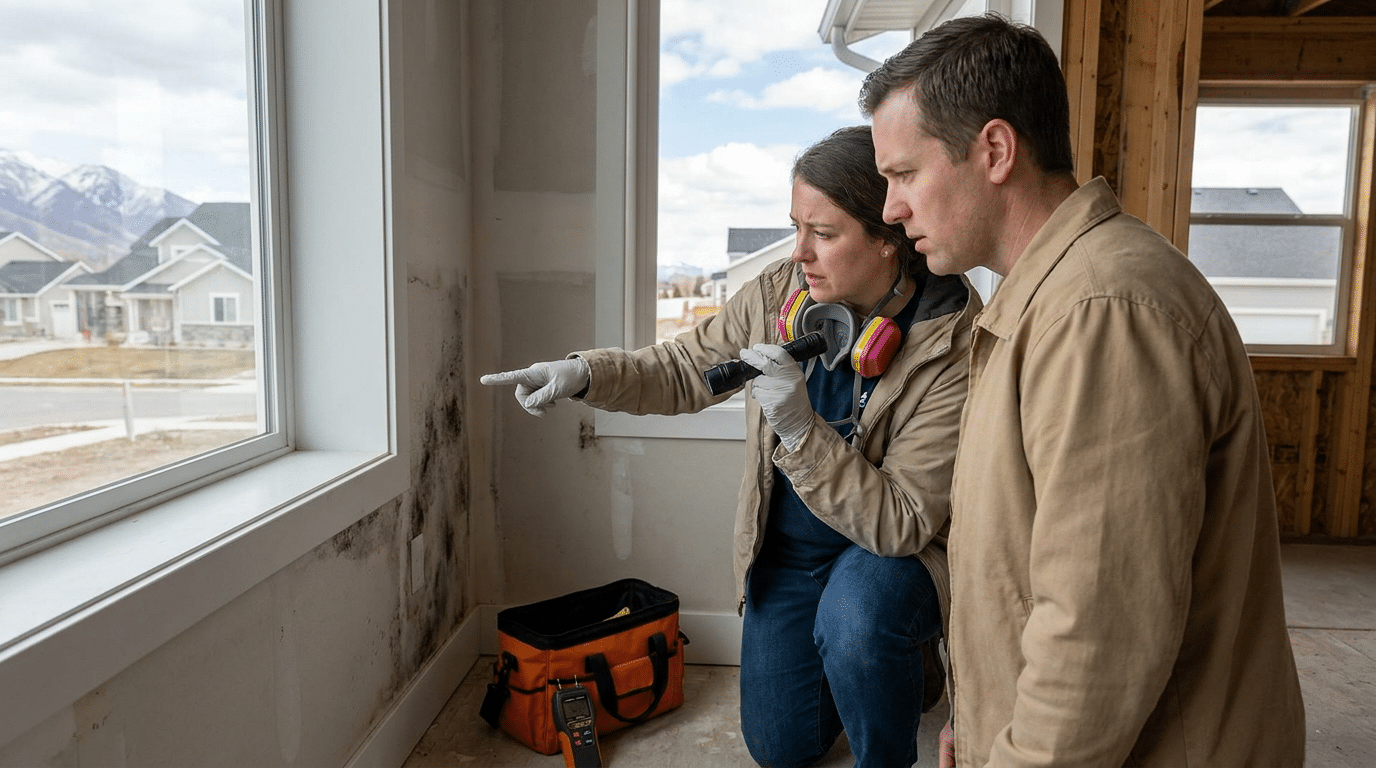
If any of these signs show up, moisture has been present longer than you realize. A professional moisture inspection is the most reliable way to uncover the true extent of the damage.
DIY Or Professional Help: Where To Draw The Line
There are moments when DIY is appropriate. If the leak is fresh, minor, and you know exactly where it is coming from, a quick repair may be enough. Tightening a connection or replacing a part can be simple.
The risk appears when the visible water is assumed to be the entire problem.
Call a professional if:
• The leak has been active for more than a few hours
• Water touched drywall, flooring, cabinets, or framing
• You smell a musty odor
• You see buckling, warping, stains, or bubbling
• The area stays damp after wiping it dry
• You are unsure how long the leak has been active
Professionals use specialized tools that reveal moisture hidden deep inside building materials. Without those tools, it is easy to dry the surface while leaving the inner layers wet, which eventually leads to mold and larger repairs.
How Waiting Can Affect Your Insurance Coverage
Many homeowners are unaware of how strict insurance companies can be regarding water damage. Policies typically cover sudden and accidental leaks. They do not usually cover damage caused by delays, neglect, or long-term moisture.
Common issues with denied or reduced claims include:
• Insurance covers the pipe repair, but not any mold cleanup
• Insurance covers the lea,k but not structural damage caused by waiting
• Claims get declined when an adjuster sees signs of long-term moisture or deterioration
Acting quickly protects your claim. This requires:
• Documenting the damage with photos
• Taking immediate action to stop the water
• Getting a professional assessment
• Preventing further damage
Fast action shows the insurer that you acted responsibly.
Demonstrating Real Expertise
At The Flood Company, we have helped Utah homeowners recover from water damage for more than twenty years. The most expensive projects we handle typically start with a small leak that sat longer than expected. Water spreads rapidly, and once it enters walls and floors, the situation becomes far more involved.
Our team uses industry standard moisture meters, thermal imaging, and controlled drying systems to identify and resolve hidden moisture. We also help homeowners document the problem correctly for water damage evaluation and assessment services, which can make the claim process much smoother.
Experience matters. Early detection is the best way to avoid unnecessary reconstruction and added costs.
Ready To Protect Your Home
If you have a leak and want clarity about the true scope before the damage grows, you can request a free water damage assessment. It gives you information, protects your insurance position, and helps you decide what to do next without pressure or obligation.
A small step now can prevent a costly repair later.
Frequently Asked Questions
Mold can begin developing within twenty four to forty eight hours of moisture exposure. Drywall, insulation, wood framing, and carpet padding trap water longer than most homeowners expect. Even if the surface looks dry, the inner materials may stay damp, which gives mold everything it needs to grow. Once mold begins forming, it spreads quickly through air movement inside wall cavities. This is why fast drying is essential and why mold prevention strategies post water damage are so important.
Yes. Slow drips often cause more widespread and expensive damage than sudden bursts. A small drip can travel along pipes, behind walls, under tile, or into subflooring. It usually continues unnoticed while the moisture quietly soaks into structural materials. By the time stains or soft spots appear, the area behind them has already been wet for quite some time. This often leads to hidden mold, wood decay, and high reconstruction costs.
Insurance typically covers sudden and accidental leaks. This includes burst pipes, unexpected plumbing failures, or sudden appliance malfunctions. Insurance usually does not cover damage caused by long term leaks or issues that appear to have been ignored. If the adjuster finds signs of prolonged moisture or mold resulting from delay, they may deny the claim or limit coverage. Acting quickly and documenting everything improves your chances of approval and lines up with many homeowner insurance recommendations.
Yes. If you can safely reach the shutoff valve, turn it off immediately. This simple step prevents additional water from spreading and reduces damage to walls or floors. Most Utah homes have a main shutoff valve near the water heater, basement mechanical area, or in a crawlspace. Fixtures like sinks and toilets also have individual shutoff valves. Stopping the flow is always the right move, especially before you begin any steps of the water damage restoration process.
You can dry the surface using towels or fans, but that does not guarantee the structure is dry. Most materials hold moisture deep inside. Drywall, insulation, wood, and subflooring absorb water easily and take much longer to dry without professional equipment. Even if everything looks fine on the surface, hidden moisture can lead to mold or structural damage later. Professionals use tools that confirm when the entire area is completely dry and are trained to recognize common types of mold in homes after water damage.
Call a professional if the leak has been happening for more than a few hours, if water reached drywall or flooring, if you notice a musty smell, or if you are unsure whether the area is dry. You should also call a pro when you need documentation for insurance, when multiple rooms show signs of damage, or when you cannot find the source of the leak. A simple inspection can prevent much larger repairs later and you can always explore more information in our blog.
Keep Your Home Safe And Avoid Unnecessary Costs
A small leak might look harmless, but the water behind the scenes spreads fast. Once moisture reaches drywall, insulation, flooring, or framing, the repair costs rise quickly. Acting early is the best way to protect your home, prevent mold, and preserve your insurance coverage.
If you want clarity about the issue or need help deciding what to do next, a free assessment is a smart place to start. And if you want to learn how to prevent future water damage, you can explore other helpful guides you can dive into.

- Understanding The Flood Company’s Full Range of Restoration Services - July 6, 2026
- The Dangers of Toxic Mold: What Utah Homeowners Need to Know - July 6, 2026
- Dealing with Burst Pipes: Emergency Cleanup and Repair in Utah - June 24, 2026