
Can Mold Really Be Removed for Good?
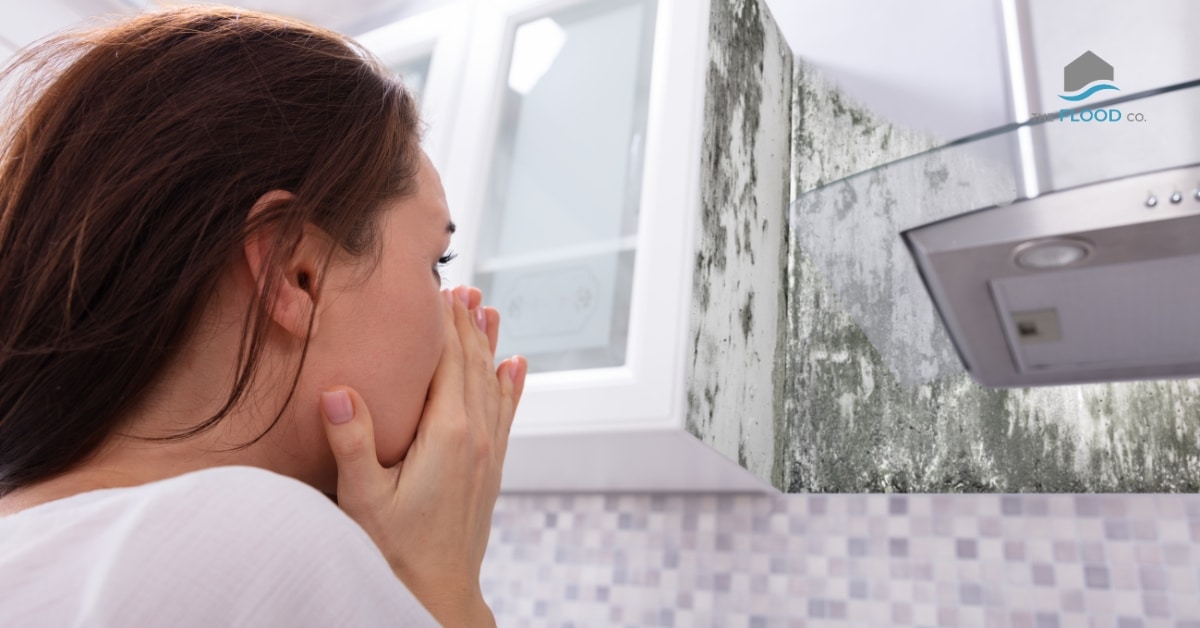
If you’ve discovered mold in your home, you’re probably asking the same thing most Utah homeowners do: “Can this really be fixed, or will it just come back?” Mold feels overwhelming because it creeps behind walls, spreads through the air, and never seems to go away with basic cleaning.
Here’s the good news: with the right process, mold remediation is possible. But it’s not as simple as wiping down a surface. It takes moisture control, professional removal of contaminated materials, and long-term prevention.
If you’re in Northern Utah and facing a mold issue, you’re not alone. Thousands of homeowners deal with hidden leaks, flooded basements, or slow appliance drips that cause mold to take root. This guide will walk you through what full remediation really means, when it’s possible, and what steps ensure your home stays safe.
What We’ll Cover:
- Can mold be fully remediated?
- Mold removal vs mold remediation
- When DIY is safe and when to call a professional
- Step-by-step remediation process
- Risks of delaying mold cleanup
- Health concerns tied to mold
- How long remediation takes and what it costs
- Preventing mold from coming back
- FAQs about mold remediation
Can Mold Be Fully Remediated?

The short answer: yes, but it depends on how quickly the problem is addressed and whether the source of moisture is eliminated.
Mold spores are naturally present in the air everywhere, so the goal isn’t to remove every spore. Instead, remediation focuses on restoring safe indoor conditions by:
Removing contaminated building materials
Deep cleaning and disinfecting affected surfaces
Fixing leaks and drying the environment
Ensuring mold doesn’t return
What this really means is mold can be controlled and eliminated from living spaces, but without fixing the moisture problem, it will come back.
Mold Removal vs Mold Remediation
Many homeowners confuse these terms. Here’s the breakdown:
Mold removal is just cleaning what you see. Think bleach sprays or scrubbing surfaces. It often looks successful but doesn’t stop mold behind drywall or under carpet.
Mold remediation is a complete process that restores the home to safe conditions. It doesn’t just mask the problem. It includes inspection, containment, removal, drying, and prevention.
For lasting results, professional mold remediation is the solution.

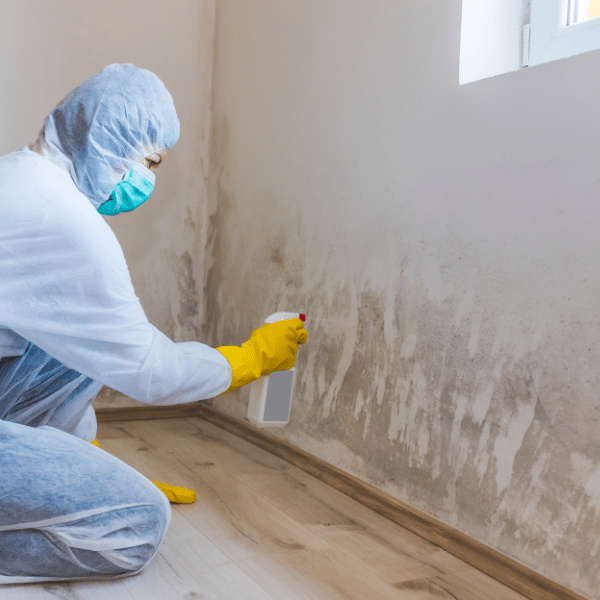
When to DIY and When to Call a Professional
Not all mold problems are equal.
DIY is safe when:
-
The affected area is less than 10 square feet.
-
The mold is on hard, non-porous surfaces like tile.
-
You catch the moisture source early.
Call a professional when:
-
The area is larger or spreading quickly.
-
Mold is growing inside walls, HVAC systems, or insulation.
-
You’re dealing with black mold or recurring mold.
-
Someone in your home has asthma, allergies, or weakened immunity.
In Utah, many cases come from basement floods or slow pipe leaks. These almost always require professional remediation because water travels farther than you expect.
Step-by-Step Mold Remediation Process
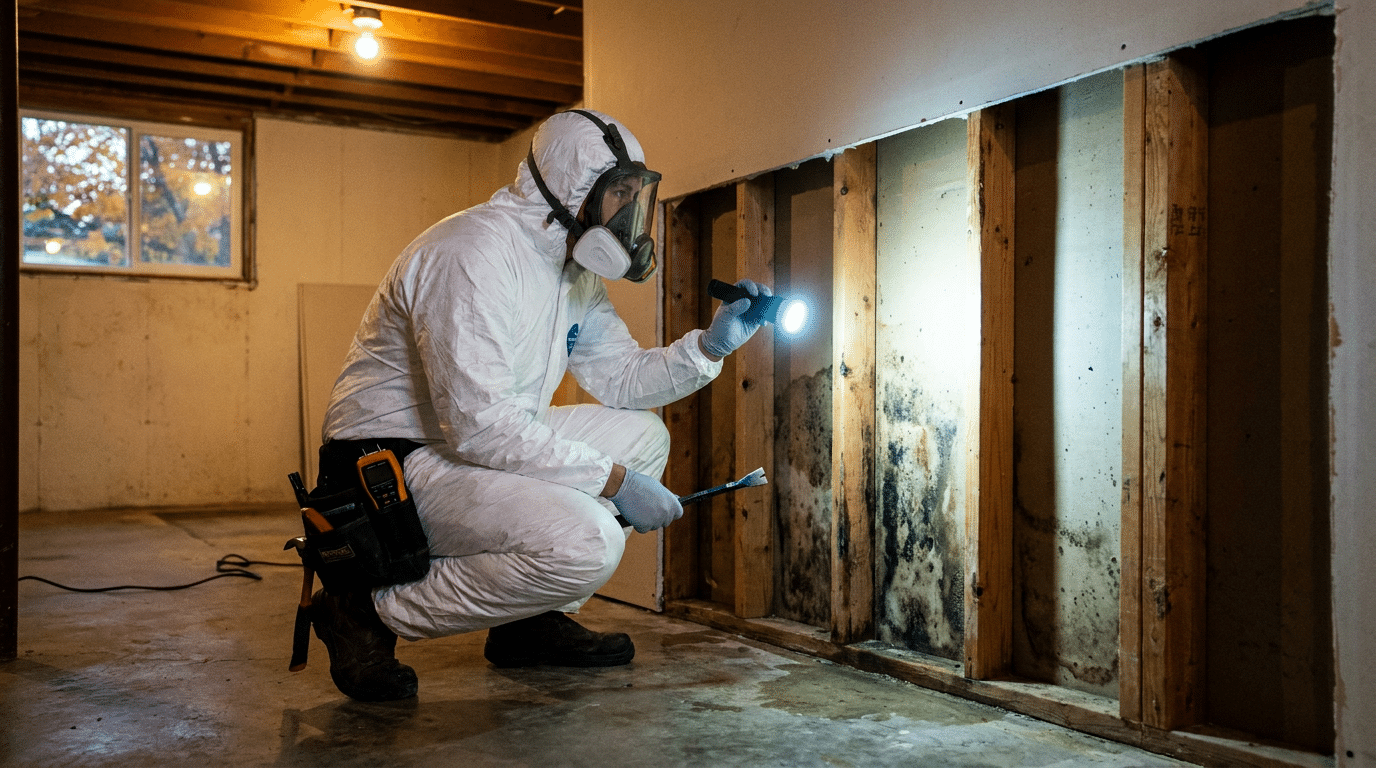
A thorough remediation follows these key steps:
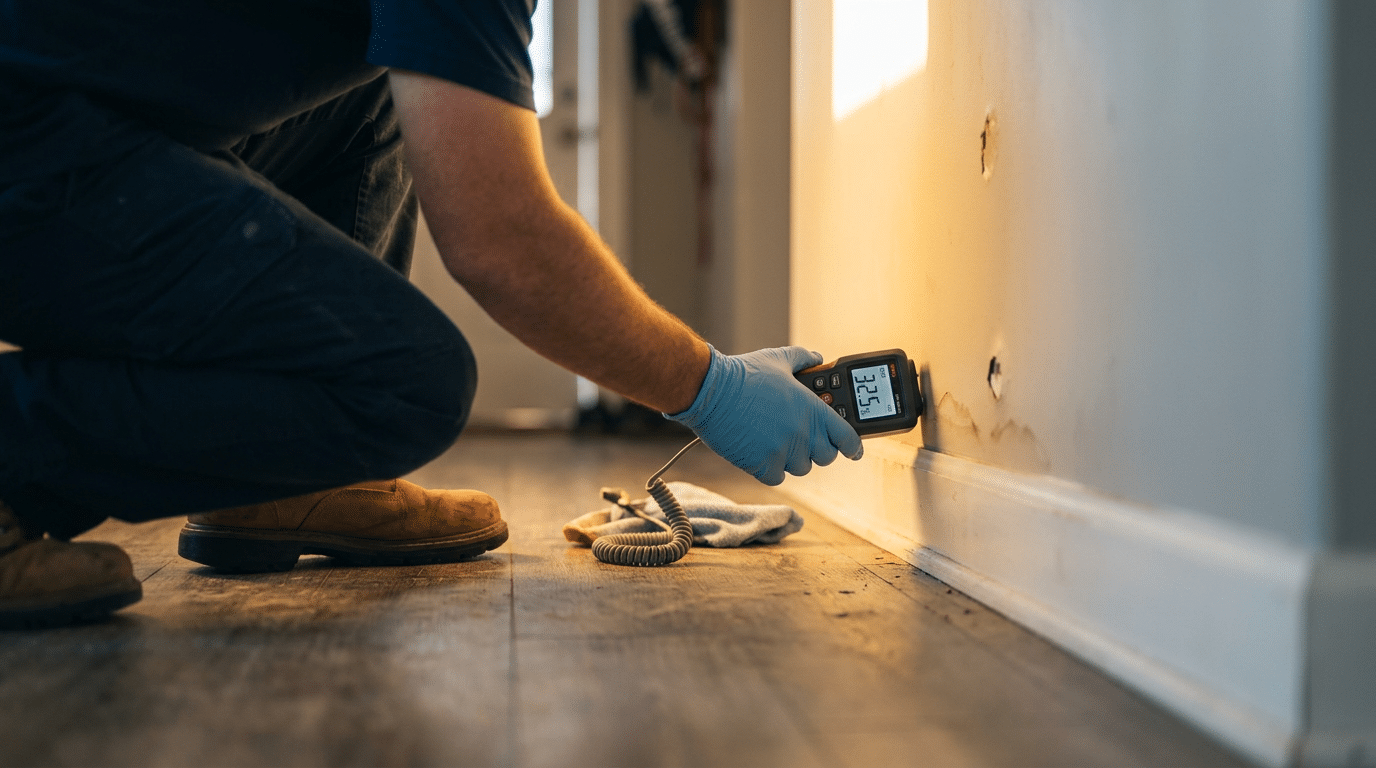
Inspection and Moisture Source Identification
Find the leak, humidity issue, or water damage causing the mold.
Containment
Seal off affected areas to prevent mold from spreading.
Removal of Contaminated Materials
Drywall, carpet, insulation, or furniture may need to be discarded.
Cleaning and Disinfection
HEPA vacuums, antimicrobial treatments, and surface scrubbing are used.
Drying and Dehumidification
Professional equipment ensures every trace of moisture is removed.
Restoration and Prevention
Repairs and preventive steps, such as sealing foundations or improving ventilation, are implemented.
Done correctly, this process restores your home to safe conditions and prevents mold from regaining a foothold.
The Risks of Waiting
Here’s the thing: mold spreads fast. Within 24 to 48 hours of water exposure, spores begin to grow. After 4–5 days, colonies can take over walls and flooring.
Waiting not only increases health risks but also makes cleanup more expensive. What could be a surface treatment today might turn into extensive damage restoration in a week.
Delaying remediation costs more in the long run.
Health Concerns You Shouldn’t Ignore
Mold isn’t just about stains or odors. It affects health, especially for children, older adults, and anyone with respiratory conditions. Common issues include:
Coughing, wheezing, or throat irritation
Allergy flare-ups or sinus problems
Asthma attacks
Fatigue or headaches
Stachybotrys (often called black mold) in particular raises concerns because of its potential for toxic effects. Living with mold isn’t worth the risk.
How Long Does Remediation Take and What Does It Cost?
Every situation is different, but here are general benchmarks:
Small areas: 1–2 days
Medium infestations: 3–5 days
Severe damage: 1–2 weeks, depending on demolition and drying needs
Costs:
Minor cleanup: a few hundred dollars
Larger remediation projects: $2,000–$6,000+
Your insurance may cover remediation if it’s related to a sudden event like a burst pipe.
For more details, see our guide on how much mold remediation costs.
Building Trust Through Experience
At The Flood Company, we’ve helped Northern Utah homeowners deal with everything from small leaks to full disaster restoration. Over 20+ years, we’ve seen how quickly mold can turn a minor problem into a major disruption.
That’s why we emphasize early inspections, moisture detection, and long-term prevention. Every property is different, but the process always starts with a clear plan tailored to your home.
Ready to Take the Next Step?
If you suspect mold in your home, don’t wait. A free inspection can save you thousands by catching the problem early.
✅ Call us for a Free Water Damage Assessment
✅ Get peace of mind with 24/7 emergency service
✅ Pay zero down with insurance direct billing
You don’t have to live with uncertainty. The sooner you act, the easier and more affordable remediation will be.
Frequently Asked Questions About Mold Remediation
Yes, if mold is spreading or affecting health, it must be remediated. Small surface spots may only need cleaning, but recurring or hidden mold always requires professional help.
In most cases, yes. Even severe infestations can be addressed with proper remediation, though it may require removing and replacing walls or flooring.
If it continues to recur, spreads beyond 10 sq. ft., or causes health symptoms, it’s serious enough to warrant professional remediation.
Small, isolated patches on tile or glass can be cleaned. But porous materials like drywall or carpet should be handled by professionals.
Respiratory issues, allergies, and asthma flare-ups are the most common. Long-term exposure increases risks, particularly for children and individuals with weakened immune systems.
They contain the area, remove contaminated materials, clean thoroughly, dry everything with industrial equipment, and restore safe conditions. Discover the steps involved in water damage restoration, which often overlap with mold remediation.
Don’t Let Mold Take Over Your Home
Mold remediation is possible and effective when handled correctly. The key is stopping the moisture, removing contaminated materials, and preventing future growth.
If you’re in Utah and dealing with mold, the safest step is to get a free inspection. You’ll understand the scope of the problem and the options available.
Your home can be restored. Your health can be protected. And the sooner you act, the easier it will be.

- Mold Removal FAQ: Common Questions Answered - October 13, 2026
- How to Choose the Right 24/7 Emergency Restoration Service: Complete Guide - October 9, 2026
- How to Choose the Right Commercial Water Damage Restoration Company: Complete Guide - October 6, 2026