
Table of Contents:
Understanding Water Damage: What You Need to Know
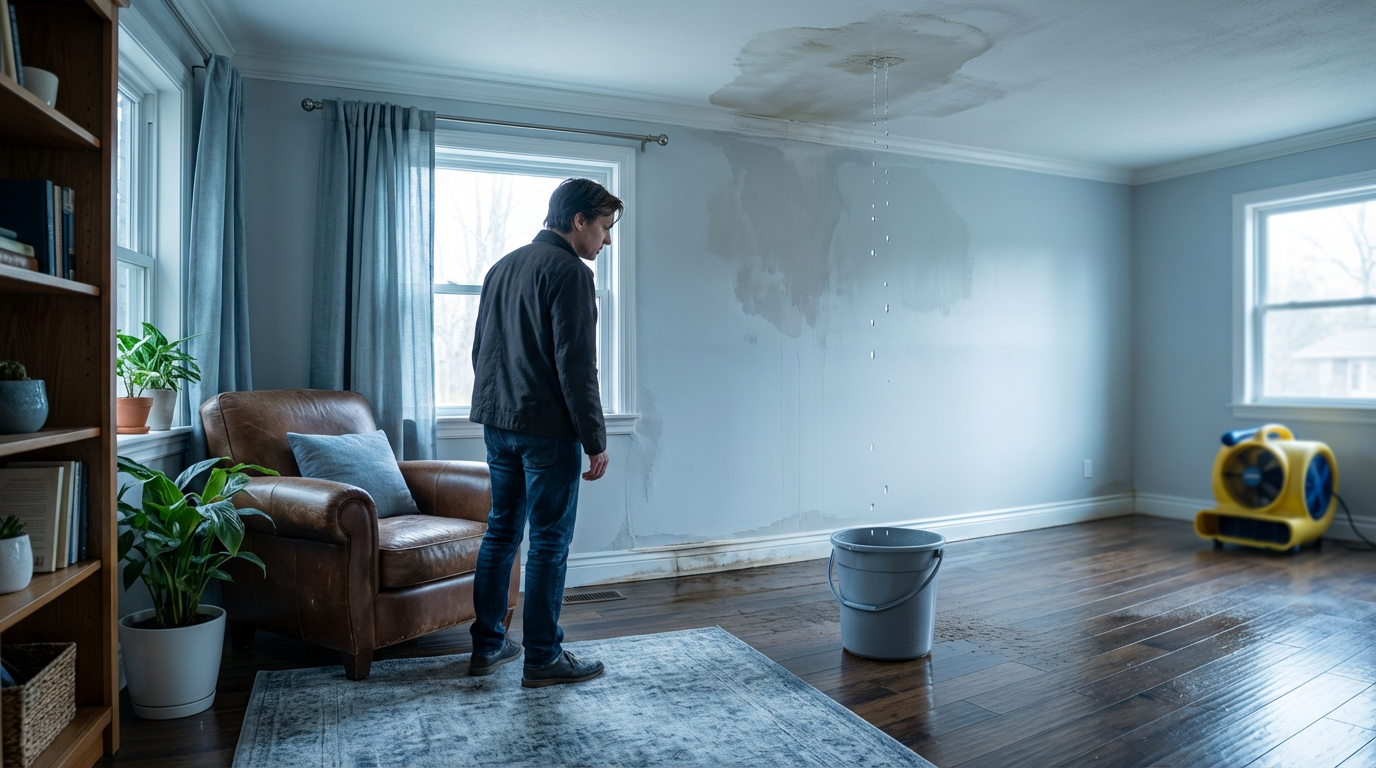
Discovering water in your home is a moment of panic. The questions start immediately. How bad is it? What do I do first? The answers depend on the source, severity, and speed of your response. Understanding the fundamentals empowers you to make smart decisions when every second counts.
What are the common causes of water damage?
Water damage doesn’t just come from major floods. In our 20+ years serving Centerville and Northern Utah, we’ve seen that the most frequent culprits are often hidden inside your walls and appliances. These include burst or leaking pipes, especially during Utah’s freezing winters; overflowing toilets; malfunctioning washing machines; broken water heaters; and clogged HVAC drain lines.
Severe weather also plays a significant role. Heavy rainfall can overwhelm drainage systems, and ice dams on roofs can lead to significant water damage in the ceiling and attic. No matter the cause, the result is the same: unwanted water that needs to be removed professionally.
How quickly should I address water damage?
Immediately. Water damage is not a “wait and see” problem. Within minutes, water spreads and saturates everything it touches. Within 24 to 48 hours, a far more serious threat emerges: mold. Once mold takes hold, the remediation process becomes more complex and costly. At the same time, wood floors can warp, drywall can swell and start to crumble, and structural components can lose their integrity.
Our rapid response time is something our customers consistently praise because they see the difference it makes. As one homeowner, Alison Dunn, noted, we were on-site and finished with the initial cleanup “before the other company I called first even called back.” That speed is your best defense against secondary damage.
What are the different categories of water damage?
The restoration industry, guided by the IICRC (Institute of Inspection, Cleaning, and Restoration Certification), classifies water into three categories. This classification is critical because it dictates the required safety protocols and cleaning procedures. We are certified experts in handling all three.
Category 1 (Clean Water): This water originates from a sanitary source, such as a broken supply line or an overflowing sink. While not immediately harmful, it can degrade to Category 2 if left standing.
Category 2 (Grey Water): This water is contaminated and can cause illness. Sources include washing machine overflows, dishwasher leaks, or toilets containing only urine.
Category 3 (Black Water): This is grossly contaminated water that poses a severe health risk. Sources are sewage backups, rising floodwaters from rivers, or any water that has been stagnant for an extended period. Black water requires specialized containment and disposal procedures. You can learn more about the risks from authoritative sources like the Environmental Protection Agency (EPA).
Pro Tip: Never attempt to clean up Category 2 or 3 water yourself. Without proper Personal Protective Equipment (PPE) and containment, you expose your family to dangerous bacteria and pathogens. Call for a professional assessment immediately.
The Water Damage Restoration Process: What to Expect
A professional restoration process is systematic and thorough, designed to safely and efficiently get you back to normal. It’s more than just vacuuming up water; it’s a scientific process to rescue your property. Many homeowners tell us how our clear communication throughout these steps eased their anxiety during a stressful time.
What steps are involved in water damage restoration?
While every situation is unique, our IICRC-certified process generally follows five key stages. As one client, J Wells, experienced after heavy rainfall, our crew handles the entire process from assessment to drying, ensuring every step is done right.
Emergency Contact & Inspection: Your first call to us sets our 24/7 emergency response team in motion. We arrive quickly to assess the scope of the damage, identify the water source, and develop an action plan.
Water Removal & Extraction: We use powerful, truck-mounted extraction equipment to remove thousands of gallons of standing water from your property. This immediate step is critical to prevent further saturation.
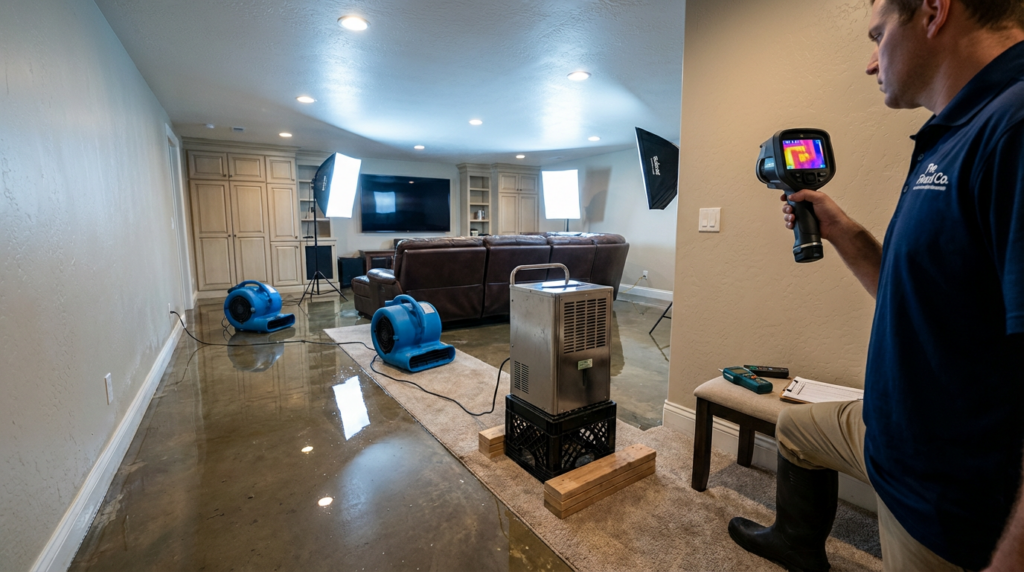
Drying & Dehumidification: Simply removing the water isn’t enough. We strategically place industrial-grade air movers and dehumidifiers to dry out walls, floors, and cavities. As Holly Fairbanks noted in her review, we also use air scrubbers to remove airborne contaminants and keep your family safe during the process.
Cleaning & Sanitizing: All affected surfaces and belongings are thoroughly cleaned and sanitized. Depending on the water category, this may include applying antimicrobial treatments to prevent mold growth.
Restoration & Repair: The final step is restoring your home to its pre-damage condition. This can range from minor repairs, such as replacing drywall and painting, to major reconstruction of entire rooms.
How long does water damage restoration take?
This is one of the most common questions we get, and the honest answer is: it depends. The drying phase for a typical residential water loss can take 3 to 5 days. However, the total time for the restoration depends on factors such as the extent of the damage, the materials involved (hardwood vs. carpet), and how long the water was present before we arrived.
We work efficiently to minimize disruption, but we never cut corners. Our priority is to ensure your property is completely dry and safe. We will give you a clear and realistic timeline after our initial inspection.
Will my property be fully restored to its original condition?
Yes. That is our primary goal and our promise to you. We are not just a cleanup crew; we are a full-service restoration company dedicated to making it seem like the damage never even happened. We handle everything from the initial water extraction to the final coat of paint. If you are not fully satisfied with our work, we stand by our commitment: “Give us a call, and we will make it right.”
What is mold remediation, and is it always necessary after water damage?
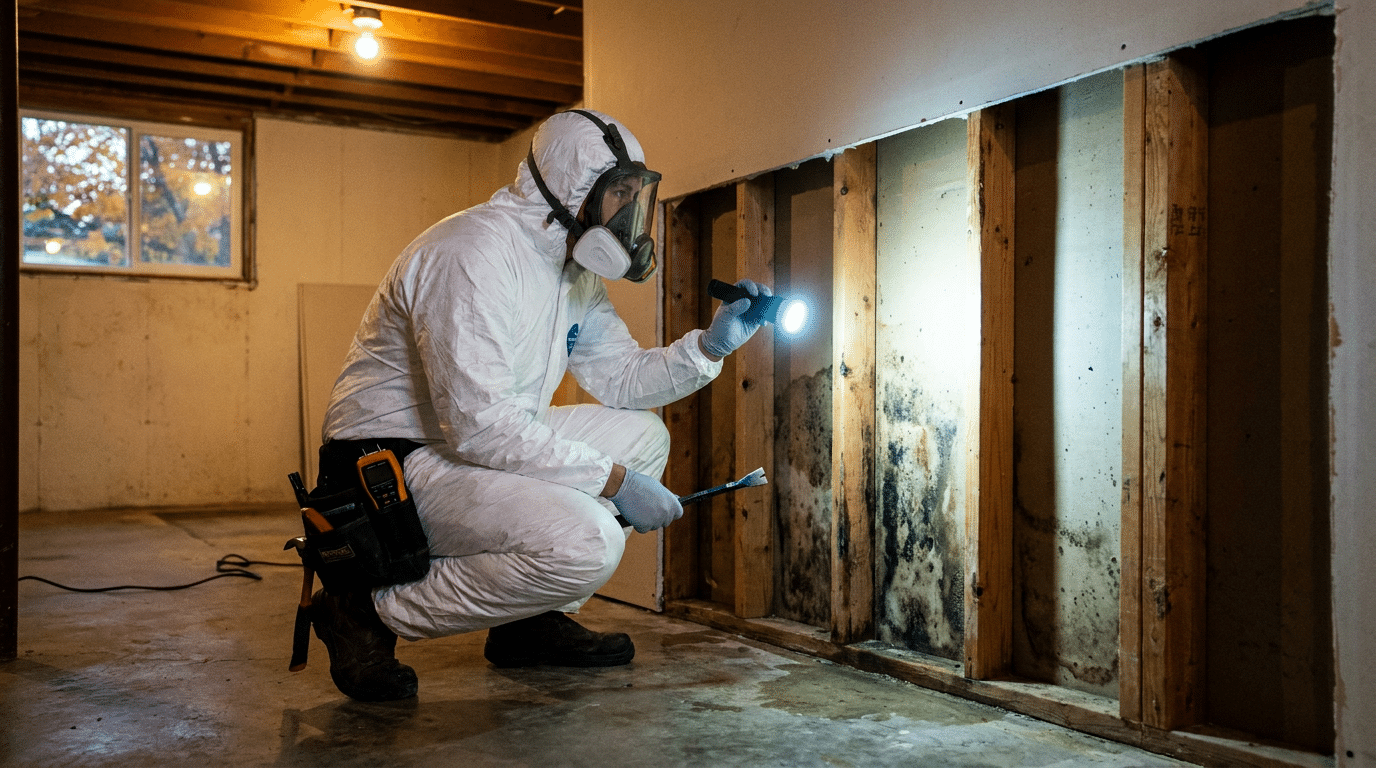
Mold remediation is the process of removing mold and preventing its spread. It becomes necessary if water damage is not addressed within 24-48 hours. When drywall, wood, and other organic materials remain damp, they become a breeding ground for mold, which can cause health issues and further property damage.
Not every water damage event requires mold remediation, but the risk is always there. That’s why we offer a Free Mold Inspection to give homeowners peace of mind. If we find mold, we establish containment zones and use specialized techniques to remove it safely and completely.
Worried about mold after a leak? Schedule your free mold inspection in Centerville today.
Costs & Insurance: Navigating Financing Your Restoration
The fear of an unknown, high cost is a major source of stress for homeowners. We believe in being transparent about costs and helping you navigate the insurance process to minimize your out-of-pocket expenses. We partner directly with your insurance company to make the process as stress-free as possible.
How much does water damage restoration cost?
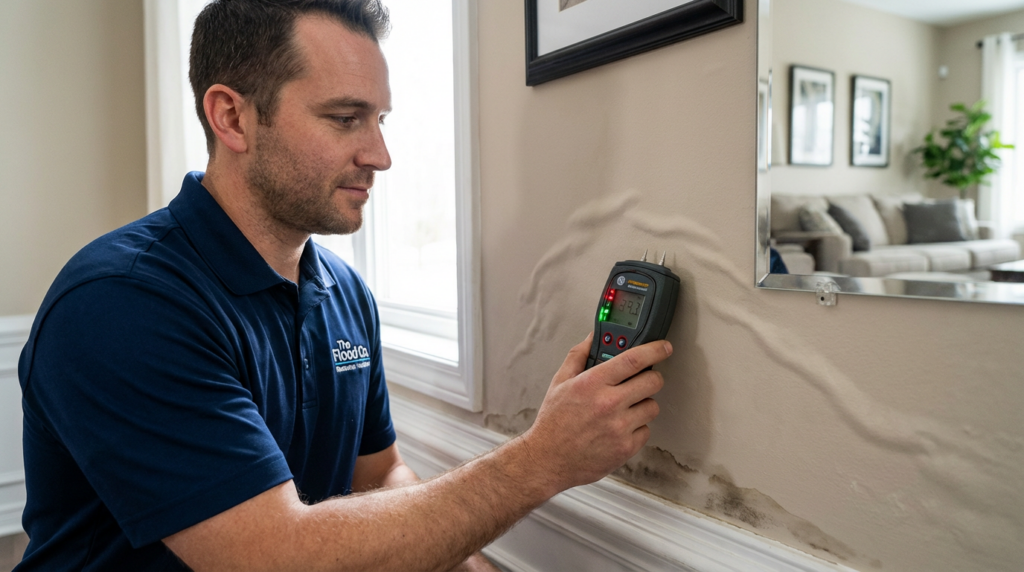
The cost of water damage restoration varies widely based on several key factors: the size of the affected area, the category of water (Black water cleanup is more expensive), the length of time the water has been sitting, and the extent of required repairs. Be wary of any company that gives you a flat price over the phone without a thorough inspection.
We help manage this uncertainty. After our free on-site inspection, we provide a detailed, itemized estimate. We also work directly with your insurance and offer Zero Down Options for approved claims, so you don’t face a large upfront bill during an already difficult time.
Will my homeowner’s insurance cover water damage restoration?
In most cases, yes, if the damage is “sudden and accidental.” Standard homeowners’ policies typically cover events such as a pipe bursting, a water heater failing, or an appliance hose breaking. However, they generally do not cover damage from gradual leaks that were neglected over time or from overland flooding (e.g., a river overflowing its banks).
Flood insurance is a separate policy. If you live in an area prone to flooding, we strongly recommend learning more about your options from the National Flood Insurance Program, administered by FEMA. We have over 20 years of experience documenting damage for insurance claims and will help you provide the necessary information to your provider.
Do I need to contact my insurance company first?
No. Your first call should be to The Flood Company. Here’s why: your primary responsibility under your policy is to mitigate further damage. By calling us first, you are taking the single most important step to protect your property. We can be on-site within minutes or hours to start the extraction process while you notify your insurance agent.
Denise Rogers, a local resident, called us after seeing our vans at her neighbors’ flooded homes and had “someone at my door within 20 minutes.” We document everything from the moment we arrive, providing your insurance adjuster with a clear picture of the damage and the steps taken to control it. This helps ensure a smoother claims process for you.
Dealing with an insurance claim? Call us first to get immediate help and expert claims assistance.
Choosing the Right Water Damage Restoration Company
When your home is on the line, the company you choose matters. You need a team with proven expertise, the right equipment, and a deep understanding of the local area. A fast response is just the beginning.
What qualifications should a restoration company have?
Don’t trust your home to just anyone with a wet-vac. Look for a company that can prove its expertise. Key qualifications include IICRC certification, which is the gold standard in our industry. Also, verify they are fully licensed and insured, have a long history of local service, offer 24/7 emergency response, and have verifiable reviews from other homeowners in your community.
Why choose The Flood Co. for water damage restoration in Centerville, UT?
We are your neighbors. With over 20 years serving Centerville and communities across Northern Utah, we have built our reputation on trust, speed, and quality. Our IICRC-certified team combines deep technical expertise with genuine compassion. As one customer, L L, shared, our technicians “eased my anxiety about the situation and were very informative.”
We are a complete restoration solution. From the initial emergency call for a small pipe leak or a major sewage backup to the final handshake when your home is restored, we manage the entire process. We handle the insurance paperwork, provide financing options, and stand behind our work with a satisfaction guarantee. That is the peace of mind we deliver.
Preventing Future Water Damage in Your Home
While accidents happen, many water damage incidents are preventable. A little proactive maintenance can save you thousands of dollars and immense stress. Taking these simple steps can significantly reduce your risk.
What steps can I take to prevent water damage?
Here is a practical checklist for every Centerville homeowner:
Inspect Appliance Hoses: Regularly check the hoses on your washing machine, dishwasher, and icemaker for cracks or brittleness. Replace them every 3-5 years.
Know Your Water Main: Locate your main water shut-off valve and make sure everyone in the house knows how to turn it off in an emergency.
Maintain Your Gutters: Keep gutters and downspouts clear of debris to ensure rainwater is directed away from your foundation.
Check Your Sump Pump: If you have a basement, test your sump pump regularly, especially before the spring thaw and heavy rains.
Winterize Your Pipes: Before the first freeze, disconnect outdoor hoses and insulate any pipes in unheated areas like crawl spaces or attics to prevent them from bursting.
Frequently Asked Questions
Centerville’s location at the base of the Wasatch Front presents unique seasonal risks. In winter, the primary threat is frozen and burst pipes from cold snaps. In spring, rapid snowmelt from the mountains can oversaturate the ground, leading to high groundwater levels. This increases the risk of basement flooding and sump pump failure, especially in older homes.
It depends on the scope and category of the damage. If the damage is contained to a small area and involves Category 1 water, you can often remain in the home. However, for large-scale damage or any situation involving Category 3 (black) water or significant mold, it is often safer and more practical to temporarily relocate to protect your health and allow our crews to work efficiently.
With a reputable company, there shouldn’t be. Our process is built on transparency. We use industry-standard pricing software (Xactimate) that your insurance company also uses. Our detailed, upfront estimate outlines all anticipated costs. If we discover additional, unforeseen damage (like hidden mold behind a wall), we will stop, document it, and discuss the new findings and any cost implications with you and your insurer before proceeding.
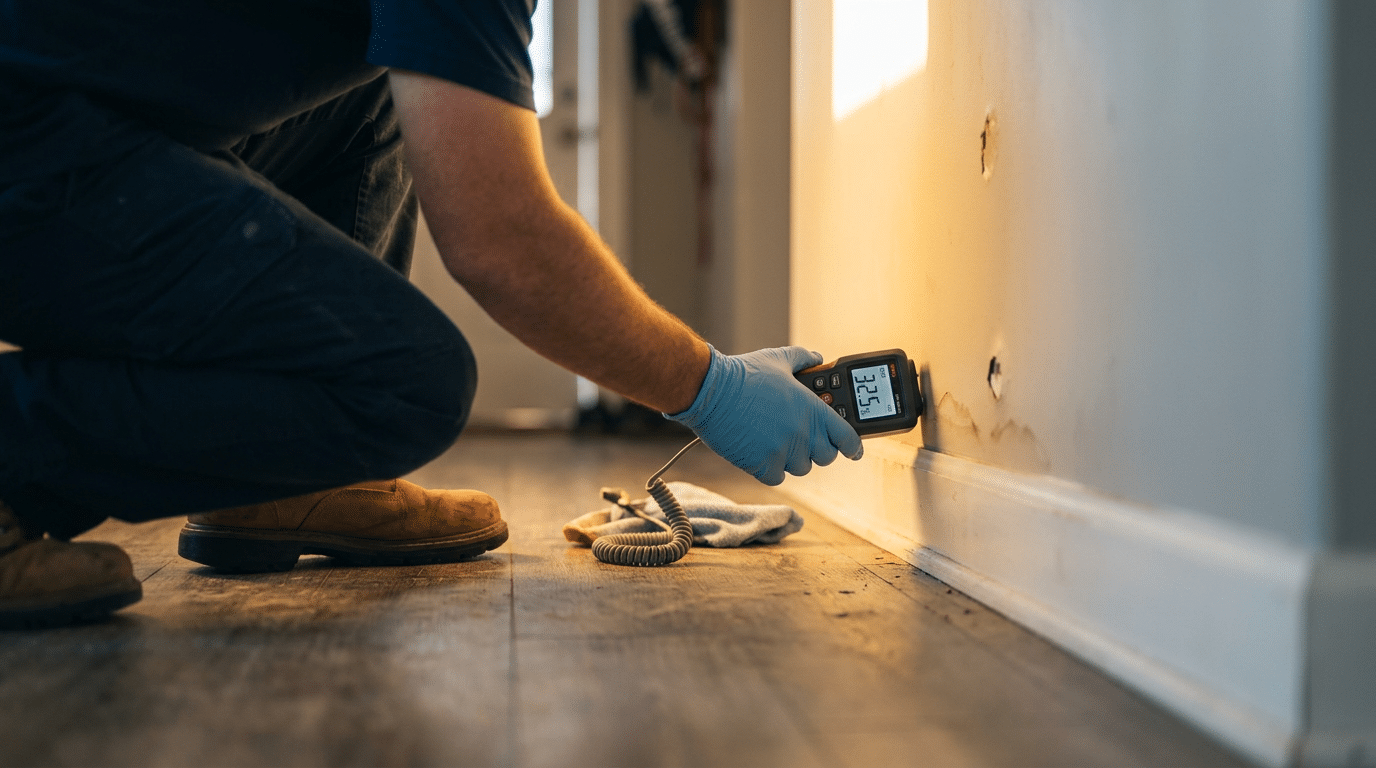
A handyman might be able to repair a leaky faucet, but they lack the specialized equipment and scientific training for proper water damage restoration. We use commercial-grade dehumidifiers, air movers, and moisture meters to find and eliminate all hidden moisture. A job that isn’t dried properly by an IICRC-certified professional almost always leads to mold, rot, and much more expensive problems down the road.
This is a major fear for many homeowners. If a claim is denied, we first help you understand why. Sometimes it’s a simple documentation issue we can help resolve. If it’s a clear policy exclusion, we work with you directly on a manageable payment plan. Our Zero Down and financing options are designed to provide a path forward even in difficult situations, ensuring your home is made safe without creating a financial crisis.
Get Your Centerville Home Back to Normal, Fast
Finding water damage is overwhelming, but you don’t have to go through it alone. For over 20 years, The Flood Company has been the trusted partner for homeowners and businesses in Centerville and across Northern Utah, turning crisis into calm with a proven process and genuine care.
We handle the water, the mold, the repairs, and the insurance company, so you can focus on your family. Our job isn’t done until your property is safe, dry, and restored to its original condition. That’s our promise.
Don’t wait for the damage to get worse. Call The Flood Company now for 24/7 emergency service and a free, no-obligation inspection.

- Mold Removal FAQ: Common Questions Answered - October 13, 2026
- How to Choose the Right 24/7 Emergency Restoration Service: Complete Guide - October 9, 2026
- How to Choose the Right Commercial Water Damage Restoration Company: Complete Guide - October 6, 2026