Flood cleanup costs depend on how much water entered your property, the extent of damage, contamination levels, and the drying and repairs required. A minor water leak may cost a few hundred dollars to address, while extensive basement flooding can cost several thousand dollars or more.
For homeowners in Centerville, UT, understanding flood cleanup costs helps you plan your budget, avoid unexpected expenses, and make informed restoration decisions.
At The Flood Company, we provide free water damage inspections, 24/7 emergency assistance, and detailed estimates to help you understand the restoration process before work begins.
Average Flood Cleanup Costs: Pricing Ranges and Baselines
Professional flood cleanup costs vary significantly depending on the size and severity of the damage.
The following are general U.S. planning estimates, not guaranteed local quotes:
| Damage Level | Estimated Cost |
| Minor water damage | $500–$1,500 |
| Moderate water damage | $1,500–$5,000 |
| Extensive flooding | $5,000–$15,000+ |
| Major restoration and reconstruction | $15,000+ |
These broad estimates may include different combinations of mitigation and repair services. Actual costs require a property-specific assessment.
Standard Pricing by Square Footage and Damage Scale
Some restoration projects are estimated using affected square footage. However, floor area alone cannot determine the final price.
For example, water covering an unfinished concrete basement may require extraction and drying. The same amount of water in a finished basement could damage carpeting, drywall, insulation, and flooring.
A professional estimate should identify affected materials, equipment requirements, labor, and expected drying needs.
Cost Breakdown by IICRC S500 Water Damage Category
The IICRC S500 Standard classifies water damage into three contamination categories:
Category 1: Water originating from a sanitary source, such as a clean supply line, before conditions change.
Category 2: Water containing significant contamination that requires additional cleaning precautions.
Category 3: Grossly contaminated water, including sewage and certain outside floodwaters.
Higher contamination levels generally require more extensive protective measures, material removal, and cleaning, which can increase overall cleanup costs.
Primary Factors That Drive Flood Cleanup Costs
Several factors determine how much you may pay for professional flood damage restoration.
Severity of Water Saturation and Structural Drying Duration
Water can penetrate drywall, subfloors, insulation, and other building materials.
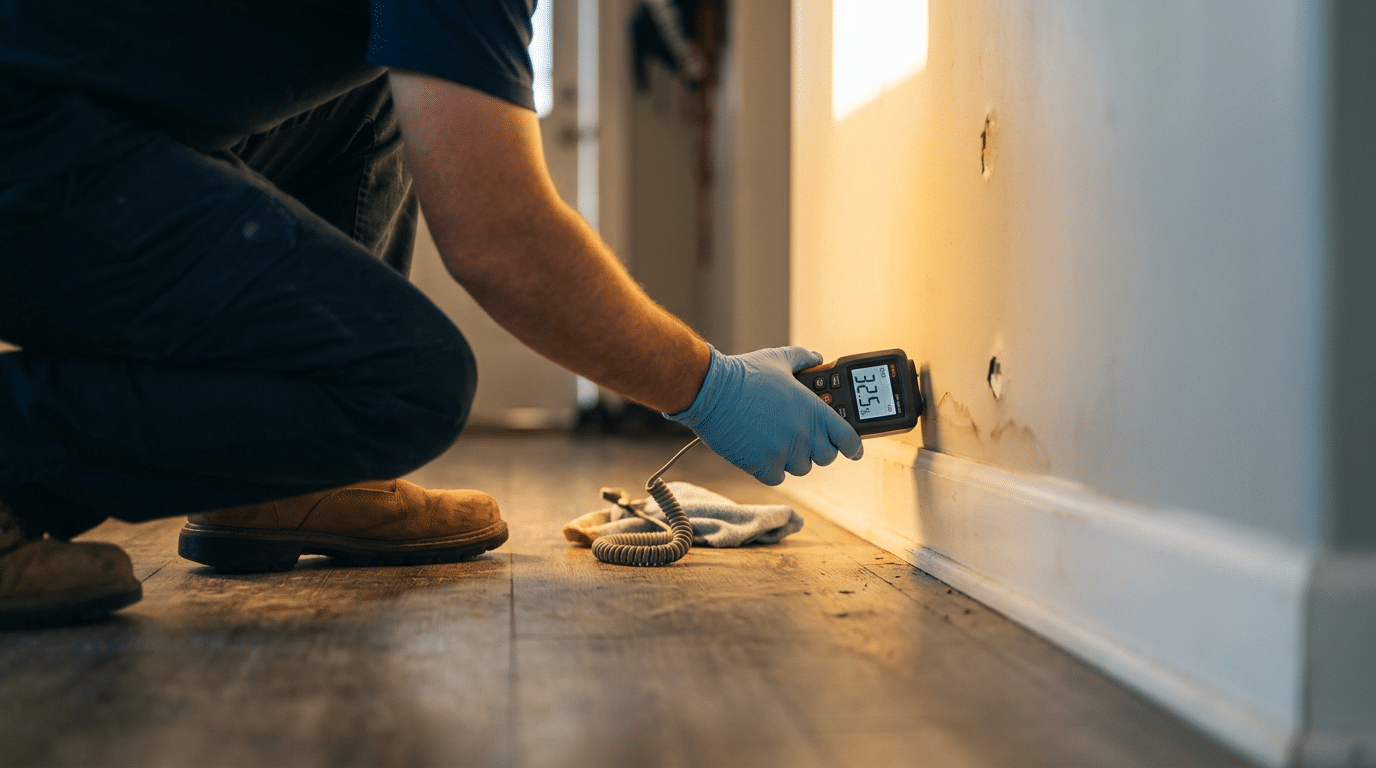
The deeper moisture travels, the more complicated drying becomes. Professional restoration teams use moisture measurements to determine which materials remain wet and whether additional drying is necessary.
Equipment charges may increase when drying takes longer, but equipment should remain in place only while documented conditions support its use.
Porous Material Removal and Demolition Scope
Some materials can be dried and restored, while others may need replacement.
Commonly affected materials include:
Carpet and carpet padding
Drywall and insulation
Laminate and engineered flooring
Baseboards and trim
Cabinets and other porous surfaces
Removal costs depend on the extent of damage, contamination, accessibility, and disposal requirements.
For flooded basements in Centerville and surrounding Davis County communities, identifying moisture beneath finished surfaces is especially important.
Equipment Deployment and Antimicrobial Treatments
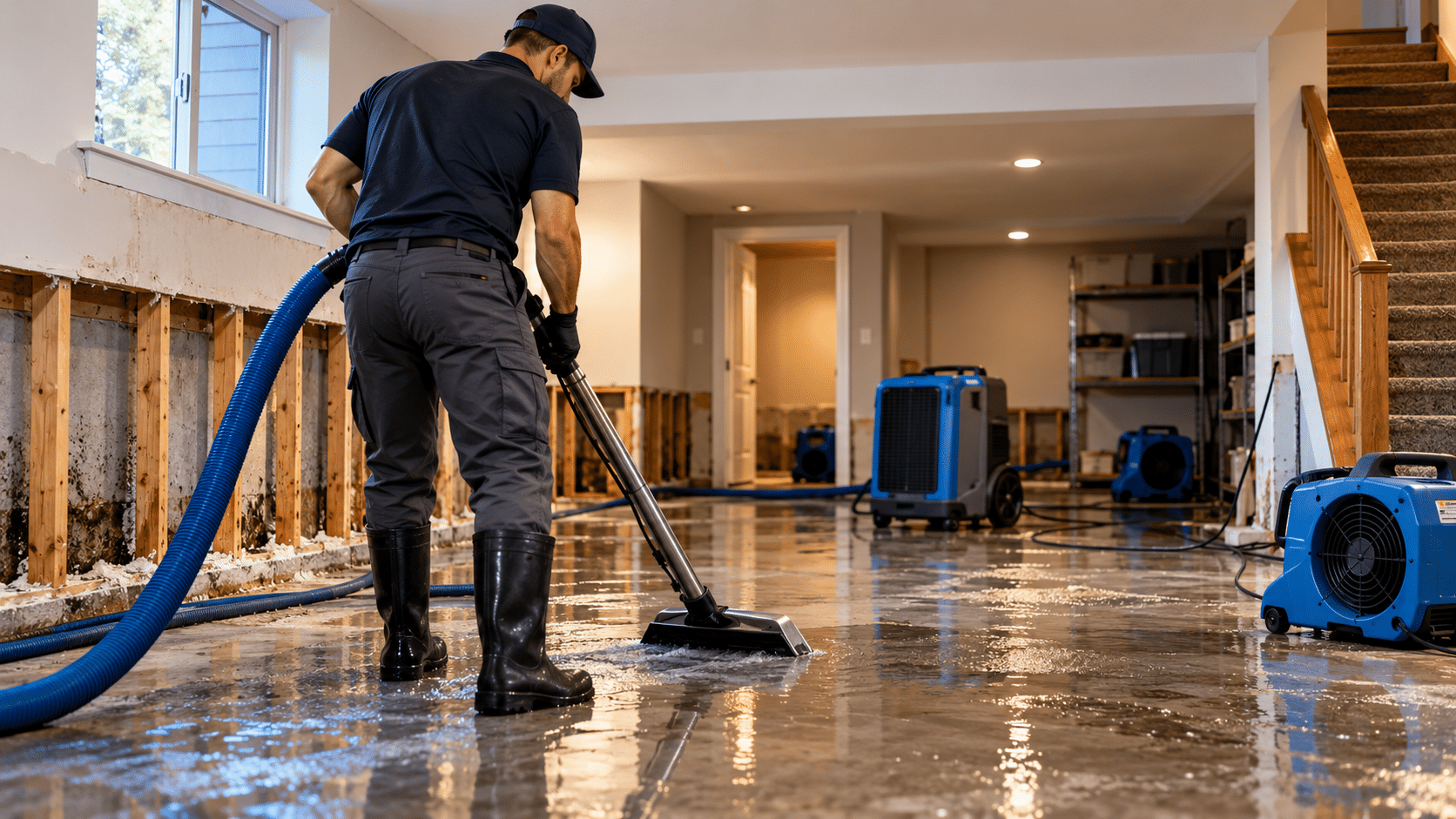
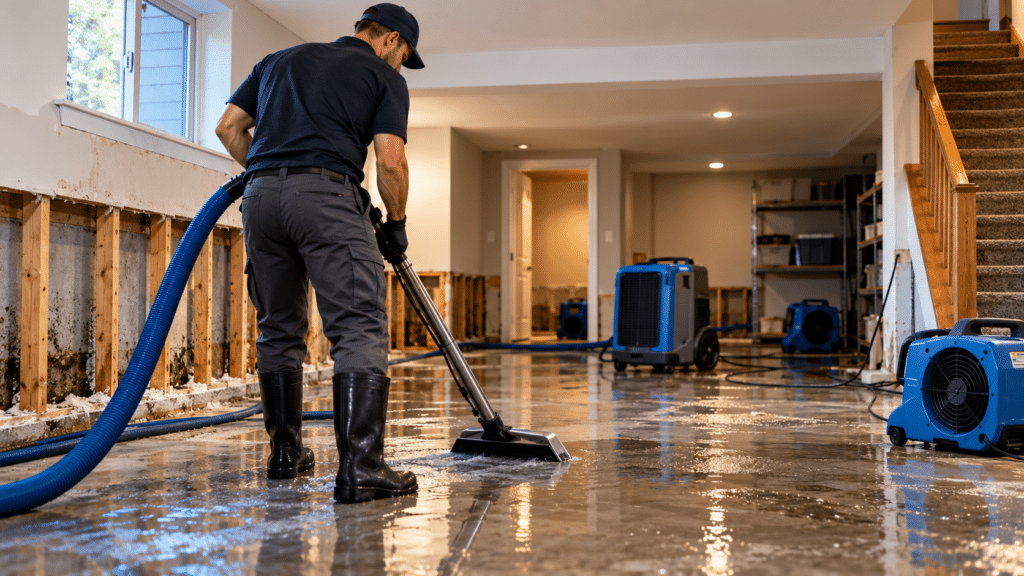
Professional flood cleanup may involve water extractors, industrial air movers, dehumidifiers, and moisture detection equipment.
Each machine serves a different purpose. Water extractors remove standing water, while air movers and dehumidifiers support structural drying.
When appropriate, your contractor may also recommend specialized cleaning or antimicrobial products. However, these treatments do not replace proper contamination removal or drying.
Ask your restoration contractor to explain equipment charges and any proposed treatments separately.
What Is Included in Professional Flood Cleanup?
A professional flood cleanup service typically includes several stages designed to limit further damage and prepare your property for repairs.
Initial Assessment, Thermal Imaging, and Moisture Mapping
Restoration professionals begin by evaluating the water source, identifying affected areas, and checking for potential hazards.
Moisture meters help measure moisture levels in building materials. Thermal imaging may reveal temperature differences that warrant further investigation, but technicians must confirm suspected moisture with appropriate measurements.
A thorough inspection helps establish the cleanup scope and supports accurate documentation.
Standing Water Extraction and Industrial Dehumidification
Once the area is assessed and safe to enter, technicians remove accessible standing water using professional extraction equipment.
They then establish a drying plan using air movers and dehumidifiers.
Moisture readings help track progress and determine when drying goals have been reached.
Important: Never enter standing water where electrical hazards may exist. Keep children and pets away from affected areas until they are safe.
Sanitization and Mold Prevention Protocols
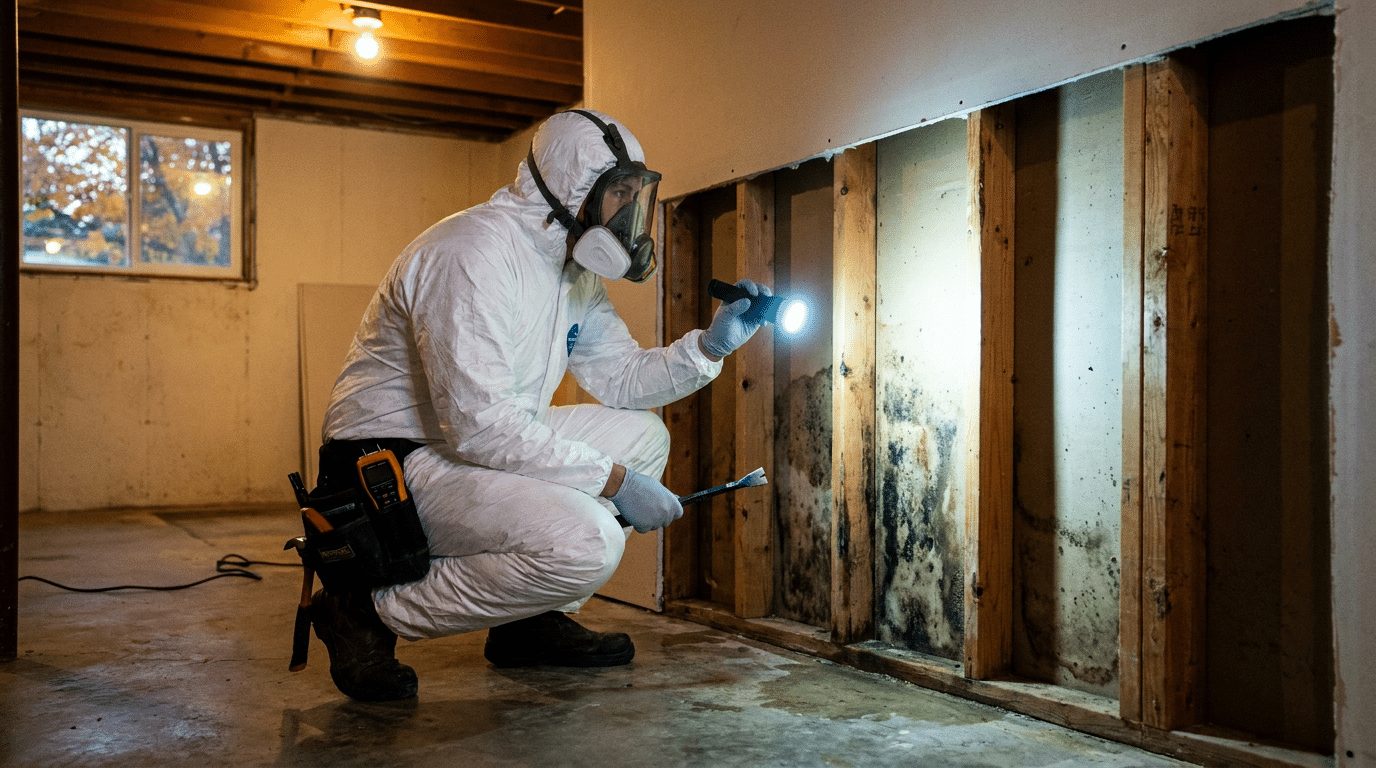
Flooding can create conditions that support mold growth, particularly when moisture remains trapped inside building materials.
Professional cleanup may include:
Removing contaminated water and unsalvageable materials.
Cleaning affected surfaces using appropriate methods.
Drying structural materials and monitoring moisture.
Addressing the original water source to reduce recurring damage.
If mold is already present, a separate mold remediation assessment may be necessary.
Prompt action can help reduce additional damage, but the required treatment depends on the conditions found during inspection.
What Is Typically Excluded from Basic Mitigation Pricing?
One common source of confusion is the difference between water damage mitigation and reconstruction.
Mitigation focuses on controlling immediate damage through water removal, cleaning, material removal, and drying.
Reconstruction restores damaged building components after mitigation.
Services commonly excluded from basic mitigation estimates include:
Plumbing repairs: Fixing broken pipes or the original water source.
Reconstruction: Replacing drywall, flooring, paint, and trim.
Contents restoration: Cleaning, packing, or storing damaged belongings.
Specialty services: Additional testing or specialized remediation.
Temporary accommodation: Housing and related living expenses during restoration.
Before approving work, request an itemized estimate showing included services, exclusions, and procedures for approving additional repairs.
This helps you compare contractors accurately and avoid misunderstandings about the final project cost.
Navigating Insurance Coverage and Restoration Estimates
Homeowners insurance may cover certain types of water damage, but coverage depends on the cause of the loss and your specific policy.
For example, sudden and accidental plumbing damage may be covered under some policies. However, outside flooding generally requires separate flood insurance, while sewer backup coverage may require an endorsement.
How to Prepare for an Insurance Claim
If your property experiences flooding:
Photograph visible damage when it is safe.
Document when you discovered the water and its possible source.
Contact your insurance provider promptly.
Keep receipts, inspection records, and restoration estimates.
Request documentation of moisture readings and completed work.
The Flood Company assists homeowners with restoration documentation and works directly with insurance companies, including direct billing when applicable.
However, your insurance provider determines coverage, deductibles, and claim payments.
How to Compare Flood Cleanup Estimates
When reviewing estimates, look beyond the total price.
Ask whether each estimate includes water extraction, equipment rental, drying monitoring, debris removal, cleaning, and reconstruction.
Also confirm how additional work will be authorized if hidden damage is discovered.
A detailed estimate clarifies what you’re paying for and helps prevent unexpected costs.
Frequently Asked Questions About Flood Cleanup Costs
How Much Does It Cost to Clean Up a Flooded Basement?
Flooded basement cleanup may cost hundreds to several thousand dollars, depending on water depth, contamination, affected materials, and required drying. Extensive reconstruction can increase the total significantly. A professional inspection provides a more reliable estimate.
Is Professional Flood Cleanup Worth the Investment?
Professional cleanup is particularly valuable when water reaches hidden materials, involves sewage, or creates electrical or structural concerns. Specialized equipment and documented moisture monitoring help identify damage that ordinary household cleaning may miss.
How Can Homeowners Save Money on Flood Cleanup?
Act quickly, stop the water source if safe, and schedule an inspection. Request an itemized estimate and confirm what services are included. Avoid shutting down drying equipment too soon, as remaining moisture can cause additional damage.
Does Homeowners Insurance Cover Flooded Basement Cleanup?
Coverage depends on the cause of flooding and your policy. Sudden plumbing leaks may qualify, while groundwater intrusion, outside flooding, and sewer backups often require different coverage. Confirm the details directly with your insurer.
How Long Does Professional Flood Cleanup Take?
Water extraction may take several hours, while structural drying often requires multiple days. Contamination, saturated materials, and reconstruction needs can extend the timeline. Technicians should use moisture readings to determine when drying is complete.
Get a Free Flood Cleanup Inspection in Centerville, UT
Flood damage can become more expensive when moisture remains trapped in walls, flooring, and structural materials. Acting promptly helps you understand the damage and take the right steps to recover.
With over 20 years of experience, The Flood Company provides professional flood cleanup, water damage restoration, sewage cleanup, and flooded basement restoration for residential and commercial properties.
We offer 24/7 emergency service, free initial water damage inspections, and direct assistance with insurance billing.
Serving Centerville, Bountiful, Layton, Ogden, Salt Lake City, and surrounding Northern Utah communities, our team is ready to help you understand your restoration options.
Call (801) 316-8362 to request your free water damage assessment.
Learn more about our water damage restoration services and take the first step toward restoring your property and peace of mind.

- Flood Cleanup Cost Guide: Pricing & What to Expect - October 27, 2026
- Mold Removal FAQ: Common Questions Answered - October 13, 2026
- How to Choose the Right 24/7 Emergency Restoration Service: Complete Guide - October 9, 2026