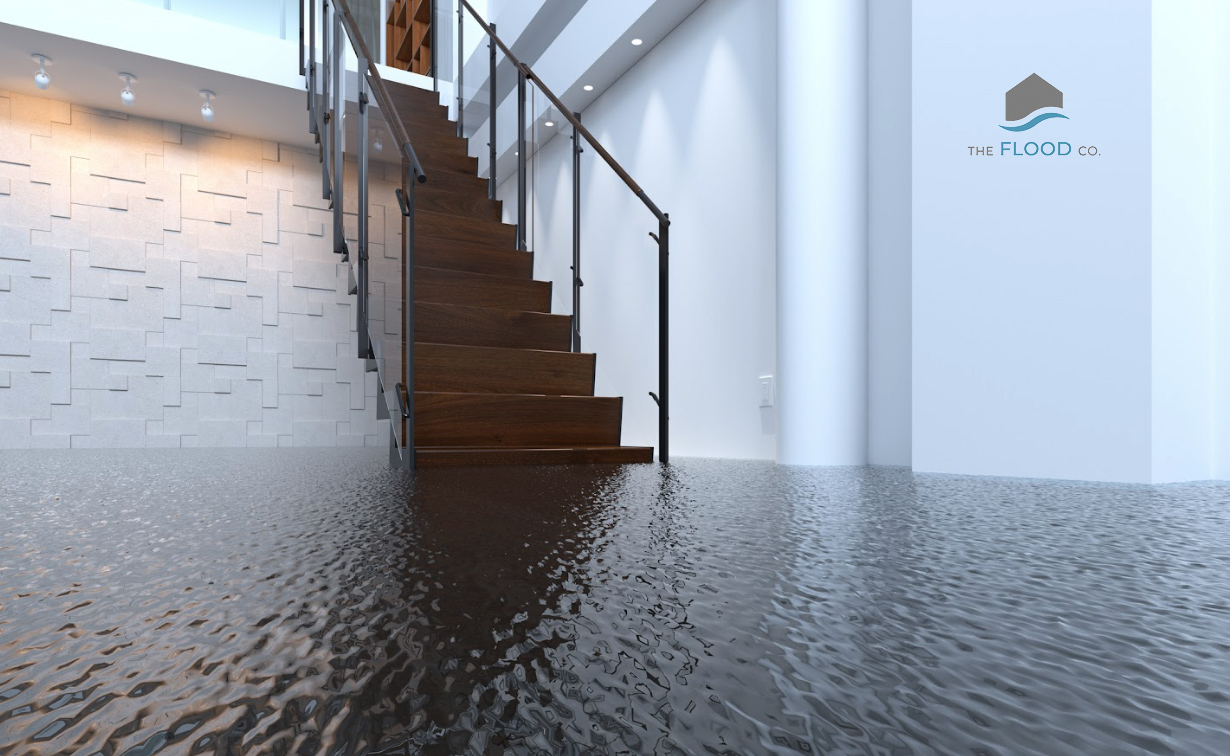
A flooded basement needs prompt attention, but choosing the right cleanup company takes more than finding someone who can remove standing water. You need a team that checks for hidden moisture, explains the work, and provides a clear plan for drying and restoration.
The Flood Co. provides 24/7 emergency response, water damage cleanup, and insurance claim assistance for homes and businesses across Utah and parts of Southwest Wyoming. With more than 20 years of restoration experience, we help property owners understand the damage and move forward with the right services.
Call The Flood Co. at (801) 294-7452 for flooded basement cleanup and to confirm current availability.
Why Choosing the Right Cleanup Company Matters
Basement water damage can affect carpet, drywall, insulation, furniture, and stored belongings. Removing visible water is an important first step, but it does not tell you whether moisture remains beneath flooring or inside walls.
A qualified restoration company should look beyond the puddles. Its recommendations should account for the water source, affected materials, possible contamination, and the work needed before repairs begin.
Choosing a company with a clear process helps you understand what you are paying for and how the team will track progress.
Put Safety First Before Arranging Cleanup
Stay out of standing water when electrical hazards, sewage, or structural damage may be involved. Do not approach a wet electrical panel or use electrical equipment while standing in water. Have electrical hazards addressed by a qualified professional.
Keep children and pets away from affected rooms. If you can take photos from a safe, dry location, document what you see without entering the flooded area.
When calling for help, provide:
- Your property address and a callback number.
- Where the water appeared and whether it is still entering.
- The suspected source, if known.
- Whether sewage, damaged electrical equipment, or unstable materials are involved.
- Any restrictions on basement access.
You do not need to identify every damaged material before making the call. The inspection should establish the scope of the loss.
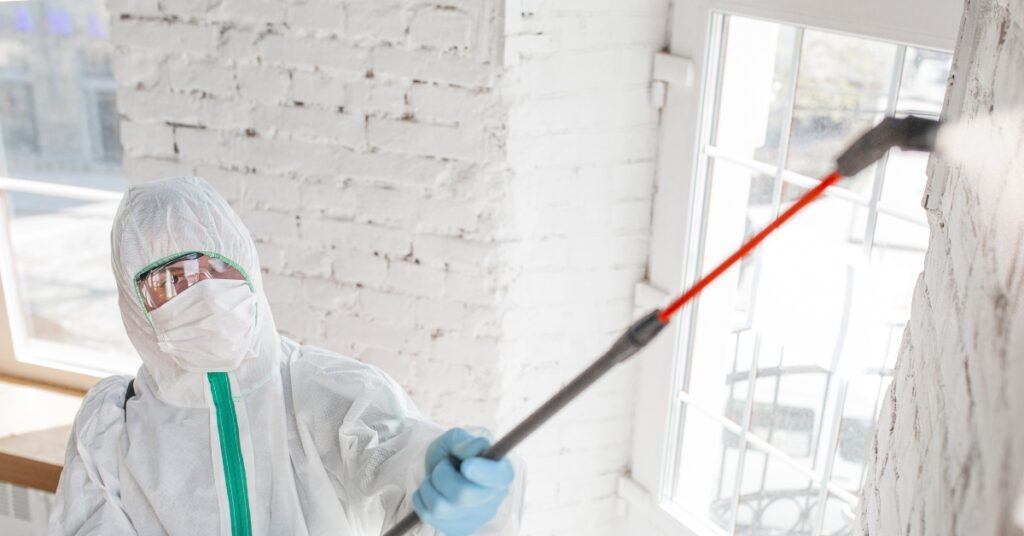
Step 1: Understand What Your Basement Needs
The right cleanup plan depends on how water entered the basement and what it affected. A plumbing leak in a finished bedroom may require different work from a sewer backup or outdoor water entering through a window well.
Identify the Suspected Water Source
Common causes include burst pipes, leaking water heaters, appliance failures, sewer backups, and water entering from outside.
Tell the restoration company what happened before you noticed the flooding. Mention recent plumbing problems, heavy runoff, or water that returns after weather changes.
Water appearance alone should not determine the cleanup approach. Ask how the technician will assess contamination and explain any precautions needed.
Ask for an Inspection Beyond the Basement Floor
Water may affect adjacent rooms, enclosed spaces, and materials that do not look wet at first glance. The inspection should account for the path the water took.
Ask whether the company will check flooring, wall materials, insulation, and affected belongings. If water started upstairs, make sure the inspection includes the areas between the leak and the basement.
The Flood Co. offers water damage evaluation and assessment to help identify affected areas and determine the next steps.
Step 2: Compare Qualifications and Emergency Availability
A restoration company should be able to explain its experience, who will perform the work, and when a crew can reach your property.
Look for Relevant Restoration Experience
Ask about projects similar to yours. Experience with a recent pipe leak does not answer every question about a sewage-contaminated basement or a large commercial loss.
Useful questions include:
- Have you handled this type of basement water damage?
- What training do the technicians assigned to my property have?
- Who supervises the work?
- Can you provide proof of liability insurance?
- Who handles repairs that require separate trades?
The Flood Co. brings more than two decades of disaster restoration experience and trained, certified professionals to residential and commercial cleanup.
Confirm What 24/7 Service Includes
Ask whether emergency service includes an on-site visit, initial assessment, and water extraction when appropriate. Confirm current crew availability rather than assuming a fixed arrival time.
Provide your exact address early. Travel distance, access, and current emergency demand can affect scheduling.
Our team provides 24/7 emergency response across our service area. Call (801) 294-7452 to discuss your location and immediate needs.
Step 3: Review the Cleanup and Drying Plan
A clear estimate should explain how the company will address the damage from inspection through the agreed restoration work.
Water Extraction
Ask how they will remove standing water and whether the plan accounts for affected carpet, flooring, and accessible spaces.
The Flood Co. provides emergency water extraction and removal as part of our water damage services. The appropriate work depends on the conditions found during assessment.
Structural Drying and Moisture Monitoring
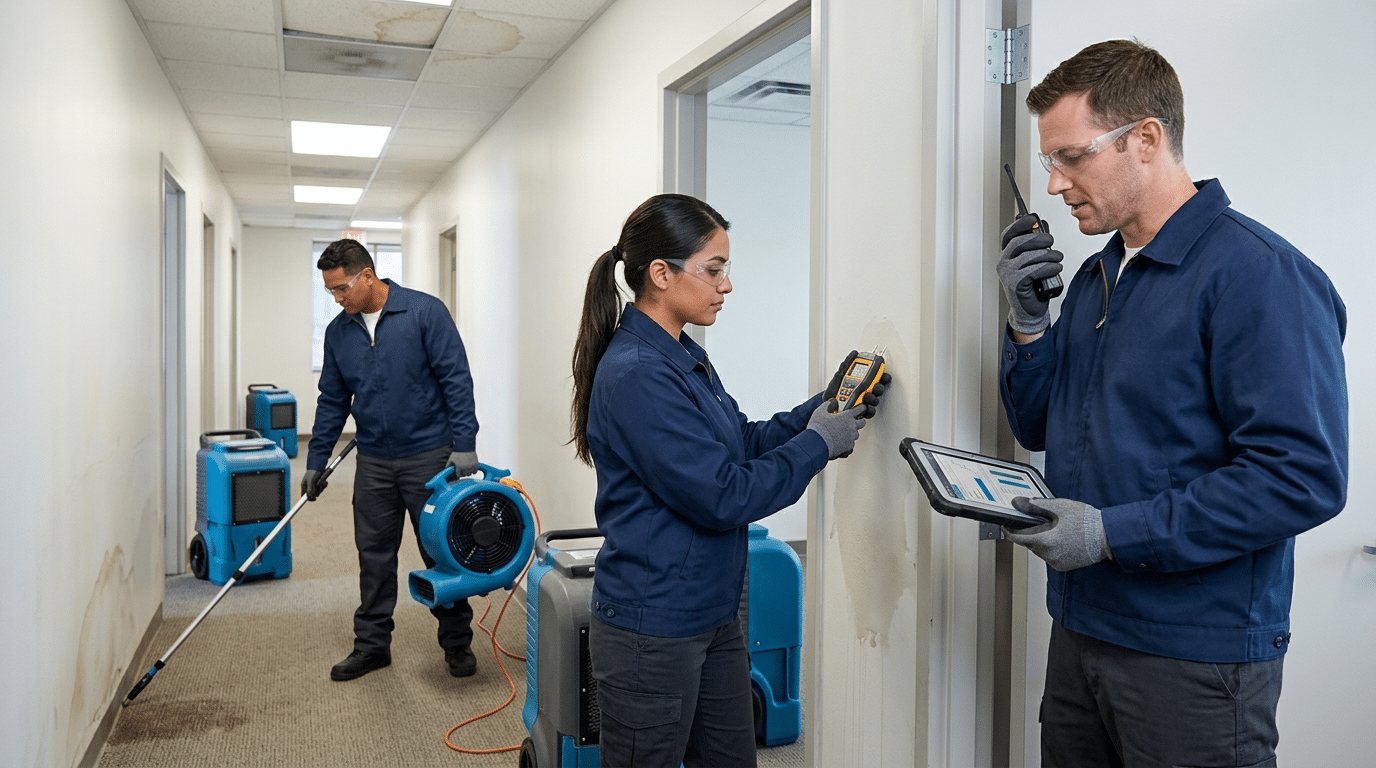
Ask how the contractor will identify remaining moisture, select drying equipment, and monitor affected materials.
The drying plan should explain what will be checked and how the team will decide when to remove equipment. A room that looks dry should not be the only basis for starting repairs.
Questions worth asking include:
- Which materials need moisture readings?
- How will drying progress be documented?
- Who will update me on the results?
- What happens if enclosed areas remain wet?
These questions help you compare the process each company proposes.
Material Removal and Contents Handling
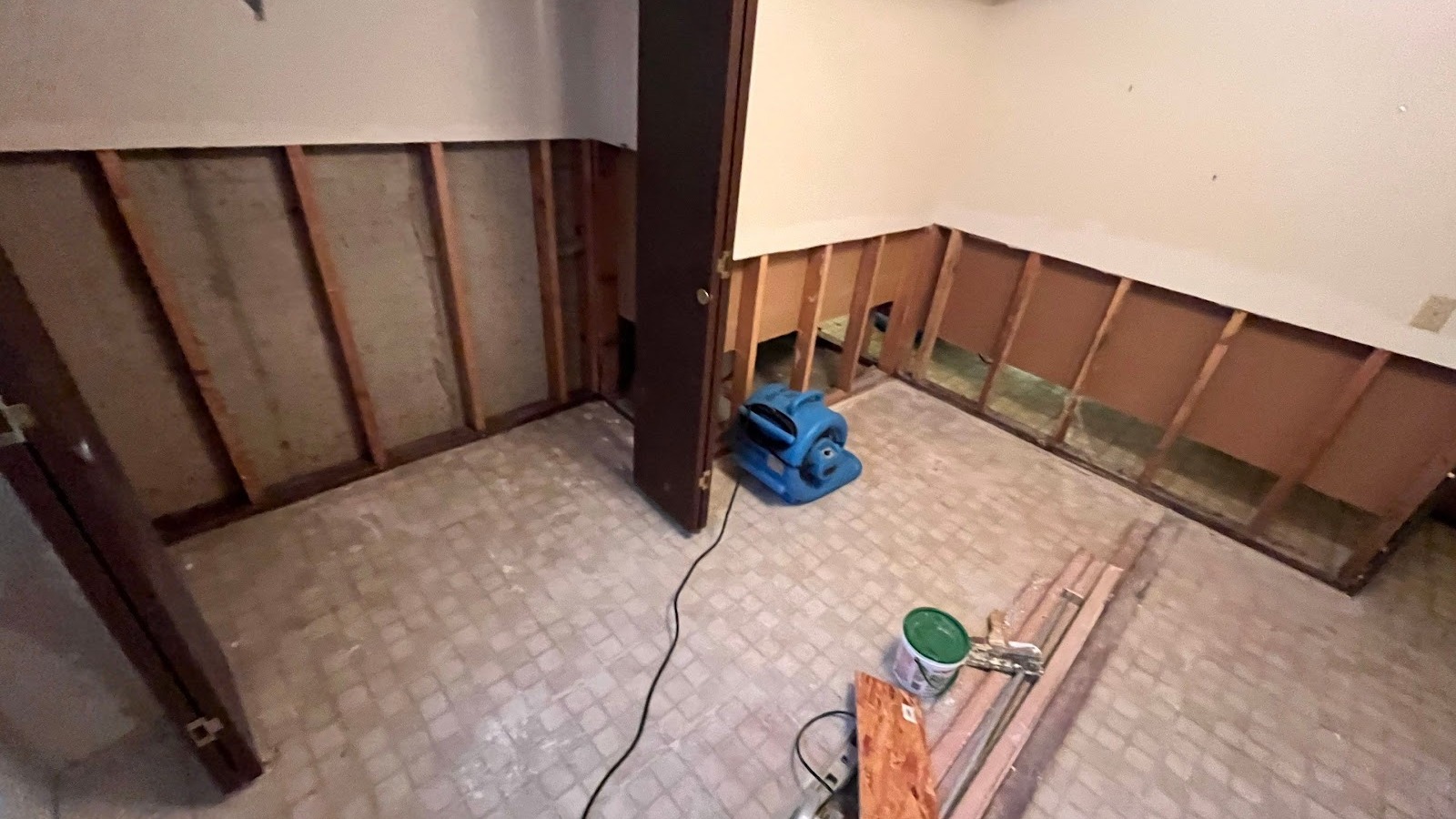
Some materials may need removal, while others may be suitable for drying or cleaning. Ask the contractor to explain these decisions before work begins.
Confirm whether the estimate includes demolition, disposal, furniture handling, and storage. Request an inventory of belongings removed from the property and an explanation of how they will document disposal decisions.
Mold Concerns
Tell the company about visible growth, musty odors, or earlier moisture problems. Ask whether mold assessment, testing, or remediation requires a separate scope.
The Flood Co. provides mold testing and remediation services. We do not offer free mold assessments. Contact us to discuss the appropriate service and applicable fees.
Don’t assume water extraction automatically includes mold testing or removal. Each service should be clearly described in the estimate.
Step 4: Get Clear Pricing and Written Authorization
Comparing estimates is easier when you compare the work included. A lower total may exclude monitoring, disposal, or repairs another company includes.
Before signing, request a written scope covering the proposed services, charges, and exclusions.
Ask whether the estimate includes:
- Initial assessment and water extraction.
- Drying equipment and monitoring visits.
- Removal and disposal of damaged materials.
- Cleaning or handling of affected belongings.
- Mold-related services, if needed.
- Reconstruction or a separate repair estimate.
Also confirm how you’ll approve additional work. If the team finds damage behind a wall, you should understand how the scope and cost may change.
Ask about payment terms, assessment fees, and your responsibility for charges before authorizing work.
Step 5: Understand Insurance Support
Insurance assistance can help organize the restoration paperwork, but it does not guarantee coverage.
Most homeowners insurance policies do not cover flooding from outside the home. Ask your insurer which policy or endorsement applies to the reported cause of your basement damage.
Keep Cleanup Authorization and Coverage Decisions Separate
Confirm what you are authorizing with the restoration company and what your insurer requires for claim review.
Keep photos, estimates, invoices, receipts, and communication about the loss. Ask who will provide supporting documentation and how to report additional damage.
How The Flood Co. Helps
The Flood Co. works with insurance companies and provides claim assistance and direct billing. We help document the restoration work and explain the proposed scope.
Your insurer determines coverage under your policy. Direct billing does not remove your responsibility for a deductible or charges your insurer does not approve.
Choose a Team That Communicates Clearly
Good communication matters throughout cleanup. You should know who is managing the job, what happens next, and how to raise a concern.
Ask for a main point of contact and an expected update schedule. The team should explain material removal, equipment use, and scope changes in terms you understand.
The Flood Co. provides support in English and Spanish. Tell us your preferred language when calling.
We serve communities across Utah, including Davis, Salt Lake, Weber, Utah, Summit, Tooele, and Wasatch counties, along with parts of Southwest Wyoming. Contact us with your address to confirm coverage and scheduling.
Address the Cause Before Finishing Repairs
Coordinate restoration with work to correct the source of the flooding. Otherwise, new flooring or wall finishes may be exposed to the same problem.
Depending on the cause, you may need a plumber, drainage specialist, or another qualified contractor. Ask which repairs are included in the restoration scope and which require separate arrangements.
Before finishing the basement, discuss the drying records, outstanding repairs, and any unresolved moisture concerns.
Frequently Asked Questions About Flooded Basement Cleanup
The Bottom Line: Making the Right Choice for Your Home
- Stay out of unsafe water and report the suspected source.
- Compare written scopes, not just arrival claims or estimate totals.
- Ask for moisture readings and documented drying targets.
- Separate insurance decisions from work authorization.
- Correct the cause before restoring finished surfaces.
A documented inspection bridges urgent cleanup and an informed recovery plan.
Start with the water source, affected rooms, and any immediate hazards. We can discuss Water Damage Evaluation and Assessment.
Call The Flood Company at (801) 294-7452 for a free initial water damage inspection. Ask about English or Spanish support and current arrival availability.
Related Reads