
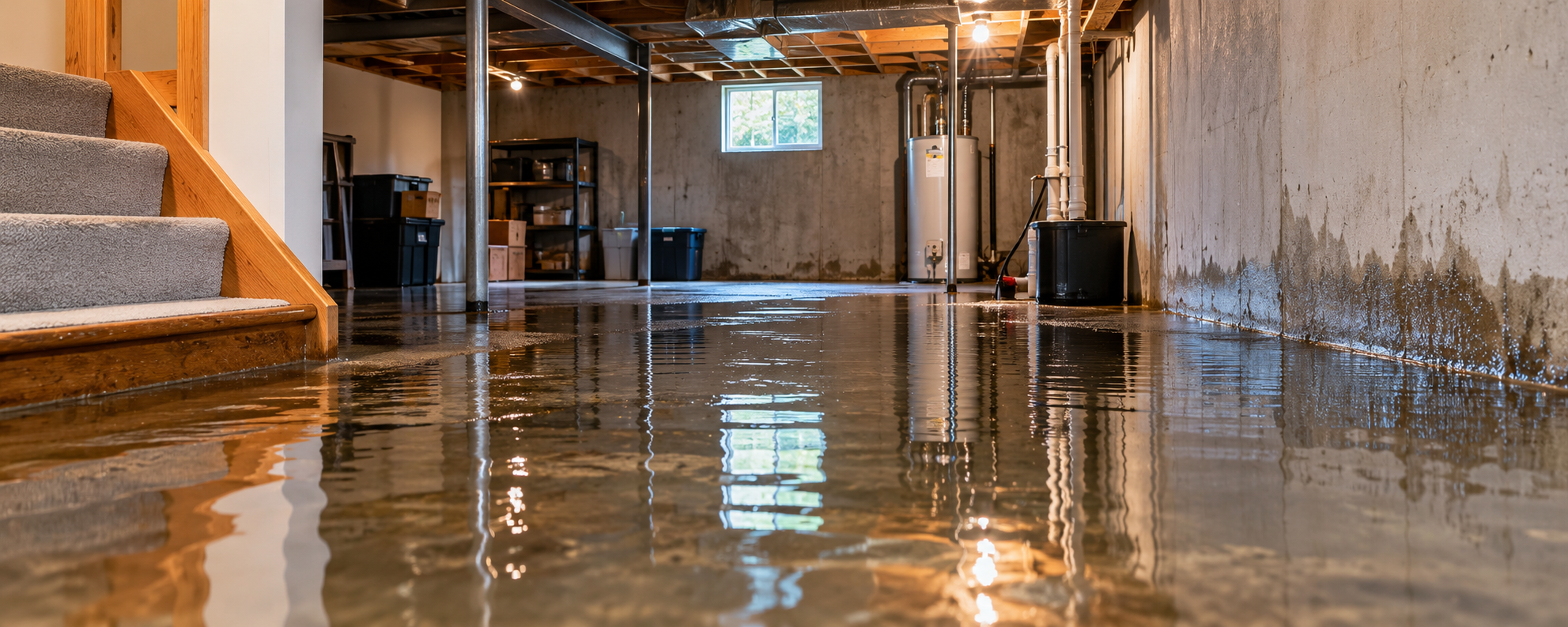
A flooded basement can quickly become a stressful situation for homeowners. Whether caused by a burst pipe, heavy rainfall, sewer backup, or a leaking water heater, basement flooding requires prompt attention to prevent further property damage.
Flooded basement cleanup involves more than removing standing water. Hidden moisture, contaminated materials, and potential mold growth can cause additional problems if you don’t address them properly.
At The Flood Company, we help homeowners in Centerville, UT, and throughout Northern Utah recover from basement flooding with professional water extraction, structural drying, and restoration services.
This guide answers common questions about flooded basement cleanup, including emergency steps, drying times, insurance coverage, costs, and prevention.
What Should You Do Immediately When Your Basement Floods?
Safety should always come first when dealing with basement flooding. Standing water may contain contaminants or create electrical hazards.
Follow these steps:
Avoid standing water: Keep children and pets away from flooded areas, especially near electrical outlets.
Stop the water source: If a plumbing leak is responsible and the valve is safely accessible, shut off the main water supply.
Document the damage: Take photos and videos from a safe location for insurance.
Contact your insurance provider: Report the incident and ask about coverage requirements.
Call restoration professionals: Arrange water extraction and a moisture assessment.
Never use a household vacuum to remove floodwater. Extensive flooding or suspected structural damage requires professional evaluation.
The Flood Company provides 24/7 emergency flooded basement cleanup to help homeowners respond quickly to unexpected water damage.
How Long Does It Take for a Flooded Basement to Dry Out?
A flooded basement often takes several days to dry out, depending on the extent of the water damage.
Several factors affect drying time:
Water volume: More standing water generally requires additional extraction and drying.
Affected materials: Concrete, drywall, carpet, and wood retain moisture differently.
Hidden moisture: Water trapped beneath flooring or behind walls can extend drying time.
Contamination: Some materials may require removal rather than drying.
Humidity and airflow: Environmental conditions influence drying efficiency.
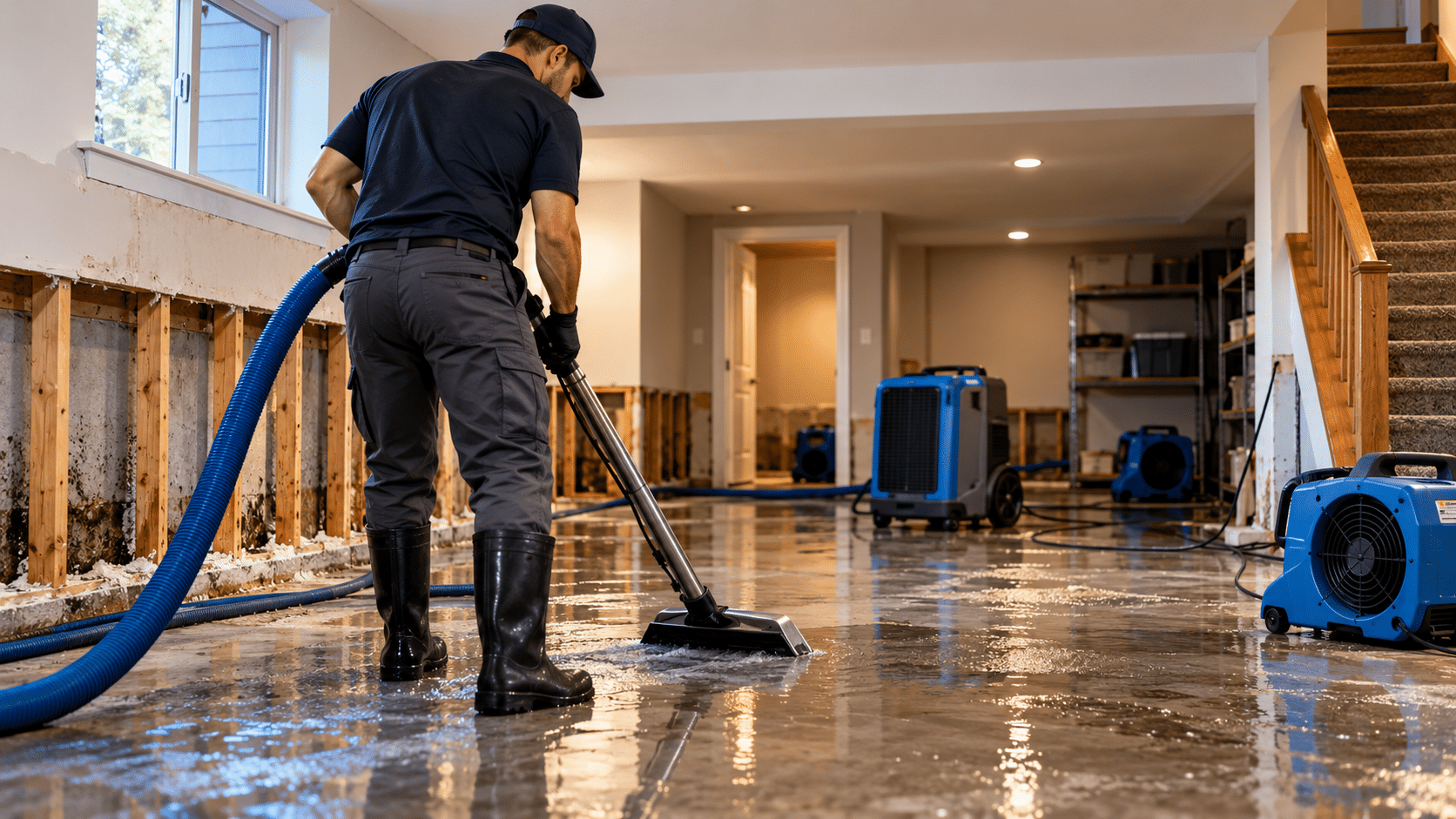
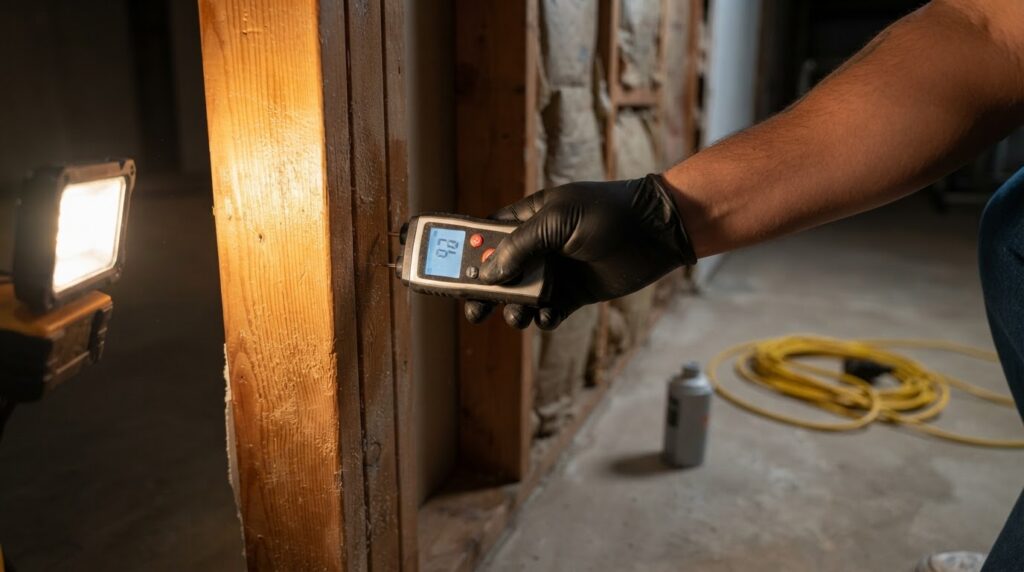
Professional restoration teams use industrial air movers, dehumidifiers, and moisture detection equipment to monitor progress.
A basement may appear dry while moisture remains beneath flooring or inside walls. Professional moisture readings help determine when drying is complete.
Will Homeowners Insurance Cover Flooded Basement Cleanup?
Homeowners insurance may cover flooded basement cleanup, depending on the water source and policy terms.
Coverage varies by insurance provider and individual policy.
The Flood Company offers insurance claim assistance, including damage documentation, restoration estimates, and direct billing to your insurer.
Our team helps simplify the restoration process while your insurer determines coverage.
How Much Does Professional Flooded Basement Cleanup Cost?
The cost of professional flooded basement cleanup depends on the severity of flooding, affected materials, contamination, and restoration requirements.
Key pricing factors include:
Size of the affected basement
Water depth and contamination level
Water extraction requirements
Damage to flooring, drywall, and insulation
Structural drying equipment and monitoring
Mold remediation or sewage cleanup needs
Repairs and reconstruction
A minor plumbing leak may require limited water extraction and drying, while extensive flooding can involve material removal and structural repairs.
Professional estimates should separate emergency mitigation costs from reconstruction expenses.
The Flood Company offers free initial water damage inspections and consultations to help homeowners understand the damage, recommended services, and expected costs.
What Is the Difference Between Clean, Gray, and Black Water Floods?
Basement floodwater is commonly classified into three categories based on contamination levels.
Even initially clean water can become contaminated after contacting building materials, dirt, or other substances.
Sewage backups and contaminated flooding require professional cleanup. Affected porous materials may need removal to properly address contamination.
The Flood Company provides professional sewage cleanup and water damage restoration services throughout Northern Utah.
How Quickly Does Mold Begin to Grow After Basement Flooding?
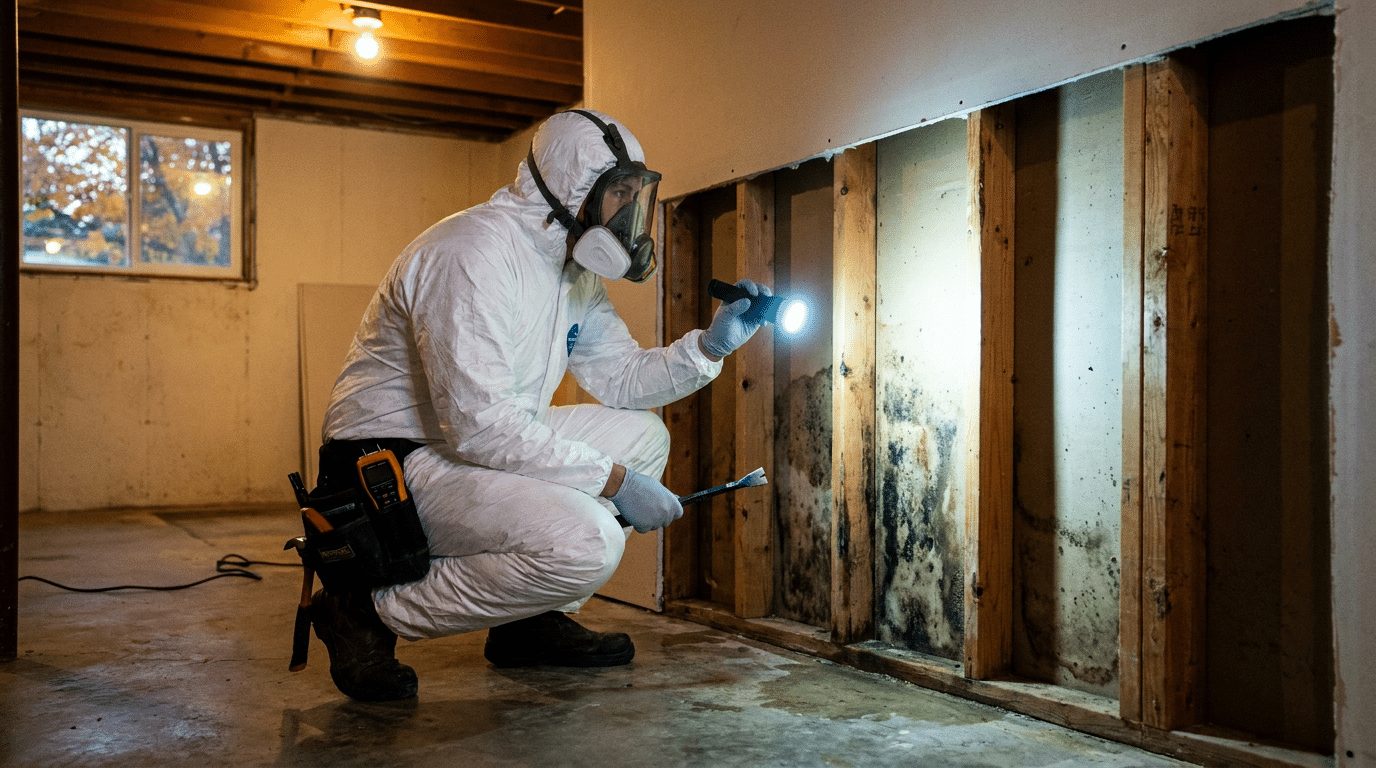
Mold can begin developing within 24 to 48 hours under favorable moisture conditions, making prompt drying essential.
Basements are especially vulnerable because moisture can get trapped behind walls, under flooring, and inside insulation.
Common warning signs include:
Persistent musty odors
Visible mold growth
Discolored drywall or baseboards
Damp carpeting
Recurring moisture problems
Preventing mold requires identifying the water source, removing excess moisture, and thoroughly drying affected materials.
Professional mold remediation may be necessary when contamination or established mold growth is present.
The Flood Company provides moisture assessments and mold mitigation services to help address basement-flood-related problems.
Can Homeowners Clean Up a Flooded Basement Themselves?
Minor water spills may be manageable when you know the source, the area is electrically safe, and there’s no contamination.
However, professional flooded basement cleanup is recommended when:
Standing water covers a large area.
Sewage or contaminated water is present.
Water has entered walls, insulation, or flooring.
Mold growth is suspected.
Electrical systems may be affected.
Structural damage is visible.
Professional restoration teams use specialized extraction equipment, moisture meters, air movers, and dehumidifiers to address water damage beyond visible surfaces.
Attempting extensive DIY cleanup without identifying hidden moisture may leave damage unresolved.
How Can You Prevent Basement Flooding in the Future?
Regular property maintenance can help reduce the risk of future basement flooding.
Consider these preventive measures:
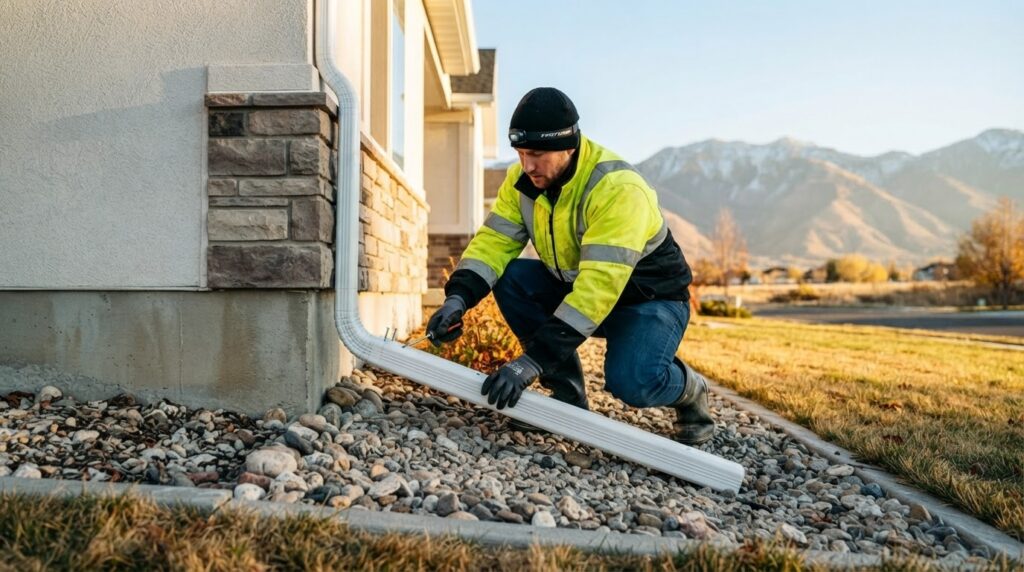
Maintain gutters and downspouts: Direct rainwater away from your foundation.
Inspect sump pumps: Test equipment regularly and consider backup power.
Check plumbing connections: Look for leaks around appliances, pipes, and water heaters.
Maintain window wells: Remove debris and address drainage problems.
Install leak detectors: Use water sensors near vulnerable plumbing.
Inspect basement drains: Have a licensed plumber address recurring backups.
For homeowners in Centerville and Davis County, seasonal snowmelt, freezing temperatures, and drainage conditions make preventive maintenance especially important.
Correcting the original source of flooding is essential before completing basement repairs.
Frequently Asked Questions About Flooded Basement Cleanup
How long does flooded basement cleanup take?
Water extraction may be completed relatively quickly, but structural drying often takes several days. Extensive damage or reconstruction can extend the restoration timeline.
Does homeowners insurance cover basement flooding?
Coverage depends on the cause of flooding and policy terms. Sudden plumbing failures may be covered, while outside flooding and sewer backups often require additional coverage.
Can mold develop after a basement floods?
Yes. Mold can begin growing within 24 to 48 hours under favorable conditions. Prompt water extraction and professional drying help reduce the risk.
Is professional basement flood cleanup necessary?
Yes. Mold can begin growing within 24 to 48 hours under favorable conditions. Prompt water extraction and professional drying help reduce the risk.
Can mold develop after a basement floods?
We recommend professional cleanup for extensive flooding, contaminated water, hidden moisture, damaged building materials, or electrical hazards.
Does The Flood Company offer emergency basement cleanup in Centerville, UT?
Yes. The Flood Company provides 24/7 emergency flooded basement cleanup, water damage restoration, and free initial inspections in Centerville and surrounding Northern Utah communities.
Get Professional Flooded Basement Cleanup in Centerville, UT
Basement flooding can leave you worried about property damage, mold growth, insurance coverage, and repair costs. Getting professional help early can prevent additional complications and make recovery easier.
With over 20 years of experience, The Flood Company provides 24/7 emergency response, certified restoration specialists, free initial inspections, and direct insurance billing for homeowners and businesses across Northern Utah.
Whether you’re dealing with a burst pipe, sewage backup, or unexpected basement flooding, our team is ready to help restore your property and peace of mind.

- Flooded Basement Cleanup FAQ: Common Questions Answered - October 29, 2026
- Flood Cleanup Cost Guide: Pricing & What to Expect - October 27, 2026
- Mold Removal FAQ: Common Questions Answered - October 13, 2026